Skip to content
logo The magazine for all pet owners and lovers

Wildlife

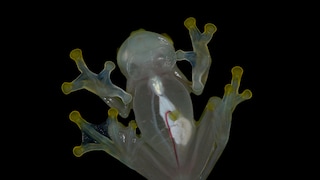
Dart frogs, specifically the species known as the terrible dart frog, do not produce their own poison but instead acquire it by consuming other toxic animals.

Sophisticated Self-Defense Why This Frog Doesn't Die From Its Own Poison

Some of the most poisonous animals don't produce their own venom but instead consume other toxic creatures. How do they avoid poisoning themselves in the process?
Giant European House Spider (Tegenaria gigantea, Tegenaria atrica), Female, Germany

Did You Know? How Long Do Spiders Actually Live?

Whether in the basement or the shed, there's always a corner where spiders lurk. PETBOOK reveals how long spiders actually live.
Peruvian Tarantula and Narrow-Mouthed Frog Share Living Space

Little-Studied Phenomenon These Frogs Voluntarily Live With Spiders

Researchers have documented a fascinating partnership between frogs and tarantulas living in shared habitats. Find out more on PETBOOK.
Ocean Sunfish

Curious Sea Creature Giant Fish Weighs More Than a Car

Why the ocean sunfish is so unique: The heaviest bony fish in the world impresses with curious abilities and astonishing records.
Turtle in the Sea

Bite Injuries on Vacation Can Turtles Attack Humans?

Can turtles bite humans? PETBOOK explains whether these animals are truly aggressive and what to do if bitten.
Close-up of a caiman (Caiman crocodilus) in the dark

Many consider it a myth Were Crocodiles Really Found in the Sewers?

Crocodiles in New York Sewers: Fact or Fiction? Rumors have long circulated that crocodiles inhabit the sewers of New York. But is there any truth to this urban legend? PETBOOK investigates.
You have successfully withdrawn your consent to the processing of personal data through tracking and advertising when using this website. You can now consent to data processing again or object to legitimate interests.