


August 17, 2026, 4:13 am | Read time: 4 minutes
Copilot said:
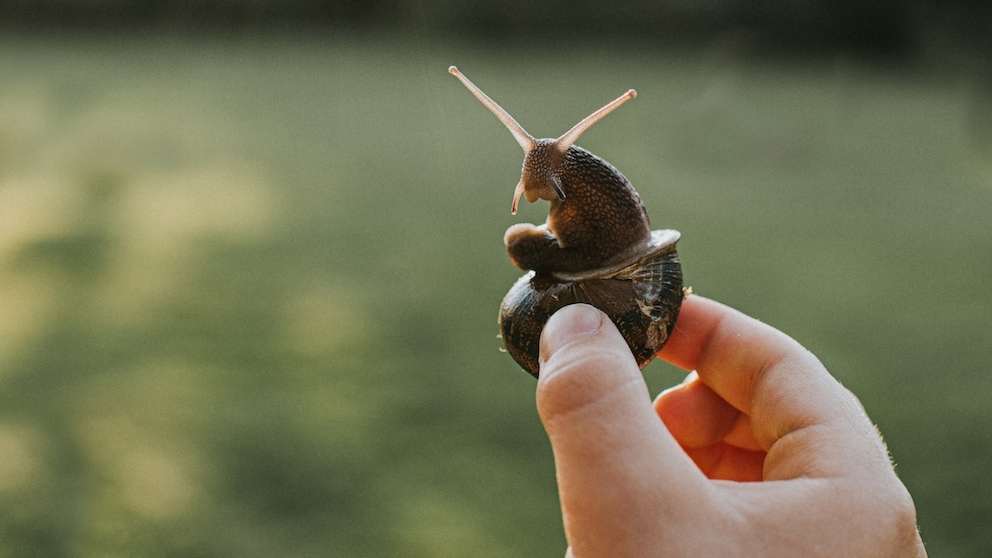
Whether in the garden, the forest, or on the sidewalk, many people want to help snails when they are in danger and quickly move them to a safe place. However, it is often warned never to lift the animals by their shells, as they are said to cling so tightly to the ground that even internal organs could be injured. This claim has been spreading in forums and social networks for years, but there is little reliable information on it. PETBOOK therefore asked a snail expert whether lifting by the shell is actually dangerous for the animals.
Is It Safe to Lift Snails by Their Shells?
The short answer: Only with caution. And never abruptly. Walter Wimmer, snail expert and head of the “Regional Nature Conservation” division at the Lower Saxony State Agency for Water Management, Coastal and Nature Conservation, warns: “If you pull too hard on their shell, it can indeed cause injuries to the snail’s soft body due to overstretching of sensitive structures.”
The reason: Snails adhere particularly firmly to the ground with their muscular foot through mucus secretions. Simply pulling them up by the shell not only risks startling and stressing the animal but also causing real physical damage—especially to the so-called mantle, which connects the shell to the body. In the worst case, this can lead to death.
Why Snails Are So Firmly Attached to the Ground
Snails don’t just “stick”—they are true adhesion artists. Their foot makes this possible: a muscular organ that creates wave-like movements and secretes mucus. This mucus not only aids in locomotion but also acts as a “glue,” allowing the snail to literally suction itself—even upside down on smooth walls.1
This strong connection can become dangerous with sudden pulling. Snail forums and professional articles therefore warn: Never “tear” them from the ground. This can overstretch the retraction muscle and cause internal injuries.
Should You Even Touch Snails?
“There’s nothing wrong with touching snails,” says Wimmer. “However, there should be no substances on your fingers that could harm the moist surface of the snail’s body, such as salt or hand cream.”
Since snails absorb substances through their skin, washing hands beforehand is mandatory. Equally important is washing hands afterward. Snails are scavengers, also composting feces—including dog feces in urban areas. Their slime trails can contain parasites that, while rarely dangerous to humans, are still undesirable.
A tip circulating among snail enthusiasts: tap gently on the shell twice. The snail retracts in fright—and thus voluntarily releases its grip on the ground. Then you can carefully lift it. “Gentle tapping can indeed support detachment,” explains Wimmer. “But it should be done in a way that does not damage the snail’s shell.”

The 8 slowest animals in the world

Why Some Animals Can Retract Their Claws and Others Cannot
How to Properly Relocate Snails
If it is really necessary to relocate a snail—whether to save it from the road or remove it from the vegetable patch—then do it this way:
- Never pull by the shell: Especially not when the snail is actively moving on a smooth surface.
- Tap gently or “lure”: A light tap on the shell can help release the grip. Alternatively, hold a finger in front of the snail—with some patience, it will crawl onto it by itself.
- Use tools: A damp, soft brush, a smooth plastic card, or a wet leaf can help gently detach the foot from the ground.
- Moist hands or surface: Snails like it moist. Dry hands can irritate their mucous membrane.
- Safe new location: Do not just place the snail in the middle of a dry path. Better are moist, shady places with plants—preferably not too far from the original location.
Conclusion
Snails are fascinating and underrated creatures with highly developed adaptations to their environment. Those who want to help them should take their peculiarities into account. Because well-intentioned is not always well done.
Walter Wimmer sums it up: “With a little care and understanding, you can avoid accidentally harming the animal.” So it’s worth taking a closer look—and perhaps even appreciating the small, slimy garden dwellers a bit more.