


November 20, 2026, 4:17 pm | Read time: 5 minutes
Many owners understand that small, short- or thin-haired dogs have a hard time in winter. But did you know that brachycephalic dog breeds can also face issues in cold temperatures? Age, weight, and health condition also play a role. PETBOOK provides an overview of which dog breeds are particularly at risk in the cold and what owners should watch out for.
Small Dog Breeds Cool Down Faster
Small dogs, in particular, struggle more to maintain their body temperature in cold environments compared to their larger counterparts. This is partly due to their body surface-to-volume ratio. A relatively large surface can release heat to the surroundings, while the small body can store less heat.1
However, this doesn’t mean every small dog freezes in winter. A dense coat can offset some of this disadvantage. For example, Pomeranians with their double coat generally have no problem with sub-zero temperatures and snow. On the other hand, small breeds with short or thin fur are particularly poorly equipped. The Royal Kennel Club also notes that smaller and short-haired dogs can feel the cold more intensely.2
Short-Haired Dog Breeds Are Especially Sensitive to Cold
Besides body size, the coat is crucial. Dogs with short and thin fur are more exposed to low temperatures than breeds with a so-called double coat. This consists of a two-layered coat with protective guard hairs and insulating, soft undercoat.
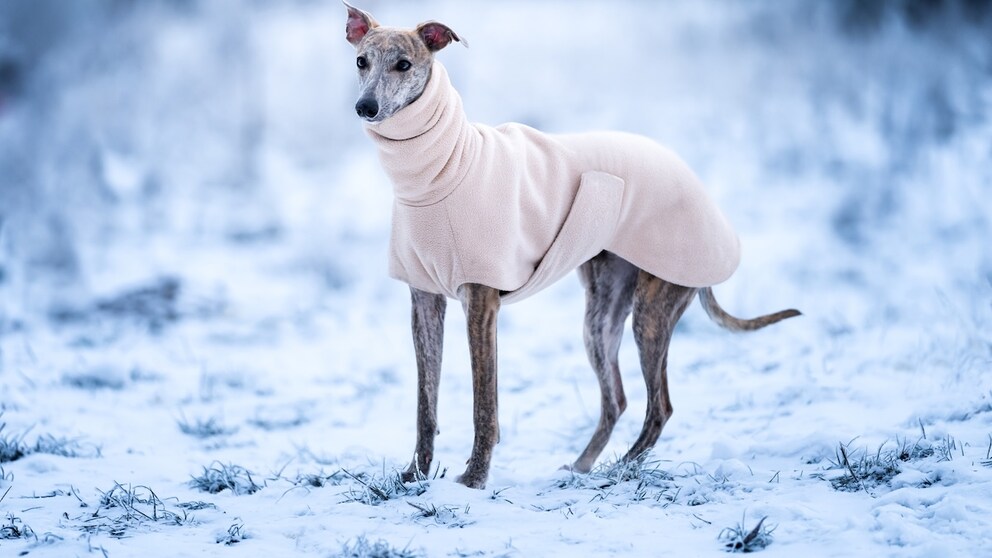
If the undercoat is missing, as in Poodles, Greyhounds, or Dobermans, the dog cannot retain the body heat it produces as effectively. The combination of a small body and short fur is particularly disadvantageous. These dogs should definitely wear a coat in cooler temperatures.
It’s different for breeds like the Siberian Husky or Alaskan Malamute. Both have a dense double coat and are much better adapted to low temperatures. However, even for these breeds, no dog is completely insensitive to cold. At sufficiently low temperatures and prolonged exposure, any dog risks hypothermia and frostbite.
Also interesting: Winter Coat Care–What Dog Owners Should Know
Pugs and Frenchies Are Also at Risk in Cold Weather
Many dog owners might be surprised to learn that brachycephalic, or short-headed dog breeds like Pugs and French Bulldogs, should be closely monitored in cold temperatures. These animals are known for their difficulties in heat. According to the British animal welfare organization RSPCA, their unique head shape can also impair thermoregulation in cold weather.3
In a normally built dog, inhaled cold air is warmed as it travels through the snout and airways before reaching the lungs. Upon exhaling, some of this warmth can be recaptured. In short-headed dogs, this mechanism is less effective due to altered skull and airway anatomy. As a result, these animals must expend more energy to maintain their body temperature.
Also interesting: 11 Tips for Helping Dogs Through Winter
Some brachycephalic breeds have an additional disadvantage: They have short, single-layered fur without a dense undercoat, lacking an important protection against low temperatures.
The RSPCA therefore advises keeping an eye on weight, sleep, and activity for short-headed dogs in winter. Changes can indicate that an animal is not coping well with the conditions.4
Puppies, Seniors, and Thin Dogs Freeze Faster
Breed alone does not determine how well a dog handles winter. Some animals are particularly susceptible to cold regardless of their lineage.
This includes puppies, who cannot regulate their body temperature as well and have little body fat. Seniors and underweight dogs may also struggle to stay warm. The same applies to dogs with certain health issues.
Another risk group includes animals with arthritis. According to the RSPCA, joint problems can worsen in cold weather. Additionally, snow and ice can make walking difficult for affected dogs and increase the risk of slipping.
Dogs with weakened immune systems deserve special attention. Animals with compromised immune systems have a higher risk of bacterial infections, and unvaccinated dogs are more susceptible to viral respiratory infections, according to the RSPCA.
Also interesting: Veterinarian Warns of These Cold Symptoms in Dogs

Which Wellness and Care Treatments for Dogs Are Beneficial in Winter

Does My Dog Need a Winter Coat?
Wetness Can Make Cold Even More Uncomfortable
It’s not just the thermometer that determines how much a dog feels the cold. A wet dog can cool down particularly quickly in cold weather. The small animal practice Dr. Nina Müller & Team warns against letting dogs stand around wet and motionless for long periods in winter. In severe frost, water-loving dogs should avoid jumping into streams or ponds.5
After a walk, a wet dog should have the opportunity to stay in a dry, warm place. The Royal Kennel Club also recommends removing snow from longer fur and drying a damp dog after a walk.
Observe the Dog Instead of Just Watching the Thermometer
Determining how cold is too cold cannot be answered solely by a specific temperature. The individual dog is always crucial. Body size, coat, age, and health condition, as well as acclimation and duration of exposure, influence how well an animal copes with winter weather.
Also interesting: How Long a Dog Can Stay Outside in Sub-Zero Temperatures
Signs that a dog is not tolerating the cold well can include shivering, whining or barking, a tucked tail, a hunched posture, or repeatedly lifting its paws. If a dog suddenly refuses to continue walking or behaves unusually fearful, it’s time to react and bring it to a warm place.
This means even for seemingly winter-proof dogs: It’s not just about their breed, but how they are coping with the cold at that moment.