

November 10, 2025, 4:29 pm | Read time: 5 minutes
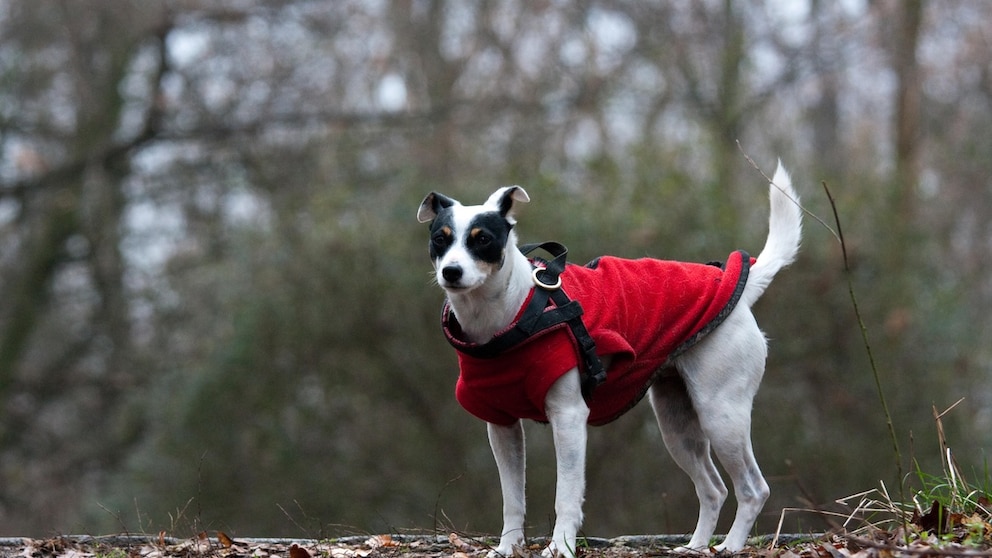
When rain, snow, and icy wind make walking uncomfortable, many dog owners turn to weatherproof clothing for their walks. While owners arm themselves with hats and coats, the dog often stands there with just its fur–which, in many breeds, has been altered through breeding so that it doesn’t keep the animal warm at low temperatures. This can become a problem in winter and even have health consequences.
Protection from Wet and Cold Is More Than Comfort
A dog coat is not just a fashion accessory; it serves a functional purpose. Animal welfare advocates repeatedly warn against improper dog clothing. It’s important that coats don’t have strings or loose elements that could injure the animal. Clothing that is too tight or purely decorative without function contradicts the idea of animal welfare.
A good winter coat, on the other hand, can offer real protection for the animal–especially in wet and cold weather. “Wet, cold fur can also lead to respiratory infections in dogs, and bacteria and fungi can easily multiply in soaked fur, which can lead to skin infections,” warns Sabrina Karl from the animal welfare foundation Vier Pfoten.
Especially during longer walks, a coat can be beneficial for the dog–and according to the expert, some dogs are particularly dependent on warming clothing.
For Which Dogs a Coat Is Especially Important
Not every dog breed has enough natural cold protection. Sabrina Karl especially recommends dog clothing for:
- Puppies
- Older animals
- Sick dogs
- Breeds without undercoat like Dobermans, Poodles, or Magyar Vizslas
- Short-legged dogs like Dachshunds, Maltese, or French Bulldogs
For them, the fur often isn’t enough to keep the body sufficiently warm and dry–especially on wet and cold days.
Finding the Right Fit for the Dog Winter Coat
Whether it’s an unlined raincoat or a thickly lined winter model, the key is that the coat fits well. Clothing that is too tight can chafe or restrict freedom of movement. It’s best to try on different models in a specialty store or take your pet’s measurements beforehand, advises Sabrina Karl.
The most important measurements are:
- Back length: measured from the highest point of the shoulder to the base of the tail
- Chest circumference: place the measuring tape around the widest part of the chest
“Depending on the density and length of the fur, one to two fingers should fit between the measuring tape and the chest. The same applies to the circumference of your dog’s neck and belly,” says pet expert Karl.
Putting on the coat should also be practiced gently. The dog should not be pressured but should get used to the new clothing with patience and positive reinforcement. Force should never be used; the dog needs time to get accustomed to the winter coat.
If the dog shows fear or resistance when putting on the coat, the training should be built up gently. Small steps, rewards, and a lot of patience are recommended–and if necessary, a short acclimatization period with the coat indoors first. This helps prevent the walk from becoming a stress factor.

How Rabbits and Guinea Pigs Stay Healthy in Outdoor Enclosures During Cold Weather
Dirty Dog in Winter? Less Stress During Bath Time
These Features Matter When Buying
A good winter coat for dogs should definitely be waterproof–not just water-repellent. It’s worth looking at the so-called water column, which indicates the material’s impermeability. “A WS value of 10,000 millimeters is a good benchmark,” recommends Sabrina Karl.
Besides waterproofing, breathability is also crucial–especially for active dogs. Synthetic materials like softshell or mixed fabrics with membranes usually offer a good balance of protection and air circulation. Models with a pure plastic surface, on the other hand, can quickly lead to heat buildup.
The expert advises against hoods: They can impair mobility and communication with other dogs–and, in the worst case, obstruct the field of vision.
Another important aspect: visibility. Reflective seams, logos, or even neon colors make the dog more visible in the dark, increasing its safety in traffic. Again, function over appearance–for the animal’s well-being.
Care Instructions for Dog Coats
A functional dog coat should not only fit well and provide protection but also be easy to clean. Ideally, models that can be washed in the machine at 30 or 40 degrees are best. Important: Do not use fabric softeners, as they can affect the material’s waterproofing. Some models also come with removable inner linings–practical for changeable weather conditions.
After several washes or if water repellency decreases, it may be useful to re-waterproof the coat. A pet-friendly, water-based waterproofing agent free of harsh solvents should be used. The waterproofing is best applied evenly to the clean, dry coat from about 8 to 12 inches away. Some agents only reach their full effect through heat–for this, the coat can be briefly placed in the dryer at a low temperature or carefully treated with a hairdryer, provided the care label allows it.
After waterproofing, the coat should air out for at least 24 hours in a well-ventilated area–better 48 hours if the smell is still noticeable. This should be done outside of enclosed spaces. Ideally outdoors, but not in direct sunlight. This allows the smell to dissipate and the waterproofing to dry and cure completely. If the weather doesn’t permit airing out outdoors, a well-ventilated room without direct heating air is an alternative. Hang the coat if possible, so all areas can air out evenly.
Important: Not every waterproofing agent is suitable for breathable functional fabrics like softshell–so check material compatibility before applying. As a rule of thumb: The water-repellent layer should be refreshed after every third to fifth wash. If the fabric no longer beads water, it’s time for a re-treatment.
With material from dpa