

October 4, 2025, 10:05 pm | Read time: 4 minutes
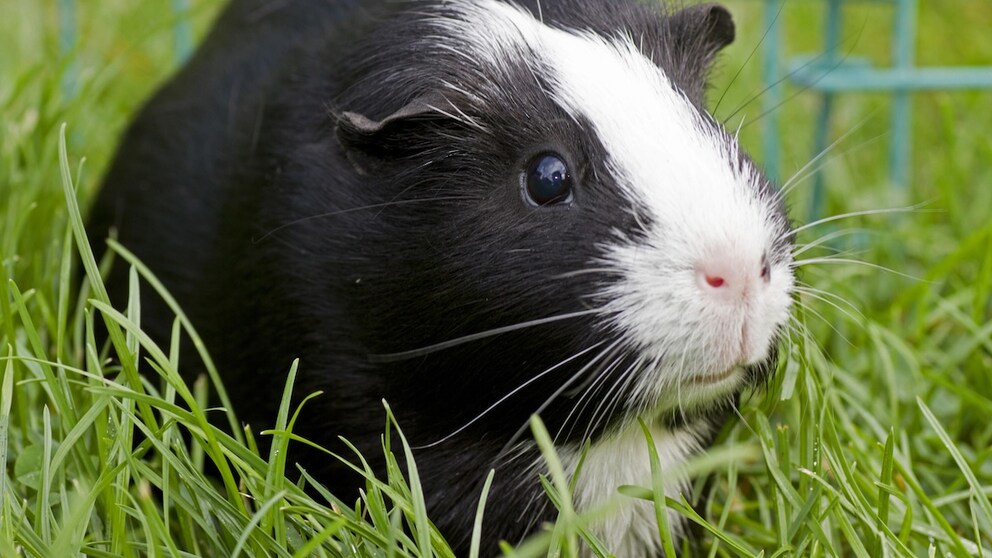
When temperatures drop, many pet owners wonder: Can guinea pigs and rabbits stay in outdoor enclosures, or is the risk too great? The answer: With the right preparation, overwintering outside is indeed possible—but only under certain conditions. Mistakes can endanger the lives of the animals.
Protection from Cold and Wet is Vital
Guinea pigs and rabbits are different species and do not get along particularly well. If both species are kept in one enclosure, it should be large enough for them to avoid each other. Additionally, they do not replace the communication with their own kind. Therefore, guinea pigs and rabbits should always be allowed to live in groups of their own species—at least in pairs, preferably in a larger group.
With proper acclimatization and health, guinea pigs and rabbits can be kept in outdoor enclosures year-round—even in subzero temperatures. However, a weatherproof and insulated shelter is crucial. “The animals need a large enclosure that provides protection from heat in summer and cold in winter,” says Hester Pommerening from the German Animal Welfare Federation.
To prevent the animals from freezing, a sheltered, dry sleeping area is essential. “The sleeping house is best made of a double wall of wood with an insulating layer in between, such as Styrofoam or cork boards,” explains Pommerening. To keep cold from below, she also recommends placing the house on pallets and lining it with plenty of straw.
Retreats for Each Animal
“Especially in group housing, several houses are important so that lower-ranking animals are not displaced and always have a warm retreat,” emphasizes Pommerening.
Additionally, the enclosure must be in a sheltered location, such as against a house wall or hedge, to block the wind. Ventilation slots or small mesh openings ensure that used air escapes without creating drafts. However, it should not be completely sealed, as this could lead to moisture buildup and mold. “Wet straw or hay must also be removed immediately and replaced with dry material.”
What to Do in Prolonged Frost?
If temperatures drop significantly below freezing for extended periods, additional measures are needed. “In such phases, you must provide the animals with additional heat sources in the form of thick bedding and good insulation,” says Hester Pommerening. Heat pads can also be useful then.
It is important that the animals can develop their winter coat in time. For this, they should live outside continuously from summer onward. A sudden transition to outdoor housing in autumn is too stressful for the organism of guinea pigs and rabbits.
Building Stalls Yourself Has Advantages
Many owners choose to build the winter-proof shelter themselves. This has several advantages: Size and equipment can be customized, and with some experience, stable and well-insulated shelters can be created. “With some craftsmanship, robust, winter-proof shelters can be made from wood, insulation material, and weatherproof panels,” says Pommerening.
Ready-made models from the store often do not meet the requirements. “They are often too small or only designed for mild temperatures, so they need to be improved for winter.”
Can Rabbits Stay Outside in Winter?

Which Pets Need More Food in Winter?
Energy Needs Increase in Winter
Pet expert Sabrina Karl from the animal welfare organization Vier Pfoten points out another challenge: When it is cold, drinking water freezes quickly, which the animals constantly need. “Heated water bowls, powered by electricity and solar panels, prevent the water from freezing,” she says.
The cold also requires more energy, which is why rabbits and guinea pigs need more food in winter. “They need to consume energy-rich food,” says Karl. For winter feeding of rabbits, bitter salads such as chicory and endive, kitchen herbs like parsley, and leafy cabbage are suitable.
Guinea pigs also need a lot of fresh food in winter. “This includes vegetables like cucumbers and carrots, salads, and various herbs.” To prevent fresh food from freezing, it is advisable to feed small portions several times a day.
Not Every Animal is Suitable for Winter Outdoors
Not all animals should stay outside in winter. “It is generally recommended that only healthy animals should be kept outside,” says Sabrina Karl. Older, sick, or weakened animals are often better off indoors. “In cold and wet conditions, animals with weakened immune systems can become ill more quickly.” A veterinarian can help assess whether an animal is fit enough for outdoor winter housing.
It is particularly tricky when an animal dies during the cold season and the remaining one needs a new partner. “The animal in outdoor housing should not be brought indoors spontaneously, and the other must gradually get used to the outdoor temperature,” says Karl. Therefore, a new animal should already be accustomed to outdoor housing during the cold season.
With material from dpa