

November 14, 2025, 5:01 am | Read time: 3 minutes
When temperatures drop and winter approaches, not only do humans need to adjust—dogs, cats, and small mammals also have special needs during the cold season. While we snuggle in blankets and turn up the heat, our animal companions often require more energy, protection from the cold, and special care. An expert from the German Pet Industry Association (ZZF) knows which pets need more food in winter.
“In fall and winter, the needs of pets change regarding their energy balance, activity level, and immune system,” explains Selina Schlierenkamp, ZZF specialist for pets. “Besides proper nutrition and care, it’s important to recognize their individual needs and respond to them early.”
Energy Needs Increase for Dogs in Winter
For dogs that are outdoors, even in low temperatures, energy consumption increases significantly just to maintain their body temperature. Accordingly, their food must be adjusted. It should contain high-quality fats and easily digestible proteins. However, no sudden changes in diet should be made. The amount should be increased gradually and as needed.
“To avoid obesity, owners should monitor their dogs’ weight, and the food amount should be adjusted to their activity level or reduced again if the dogs prefer to stay in the warm indoors,” emphasizes Schlierenkamp. Equally important: sufficient fluid intake to keep metabolism and circulation stable.
Small breeds with thin coats, puppies, and older or sick dogs are particularly sensitive to cold. For them, shorter walks and protective dog coats are recommended, especially if there is little or no undercoat.

Can Rabbits Stay Outside in Winter?

How Rabbits and Guinea Pigs Stay Healthy in Outdoor Enclosures During Cold Weather
Cats Need Retreats and Exercise
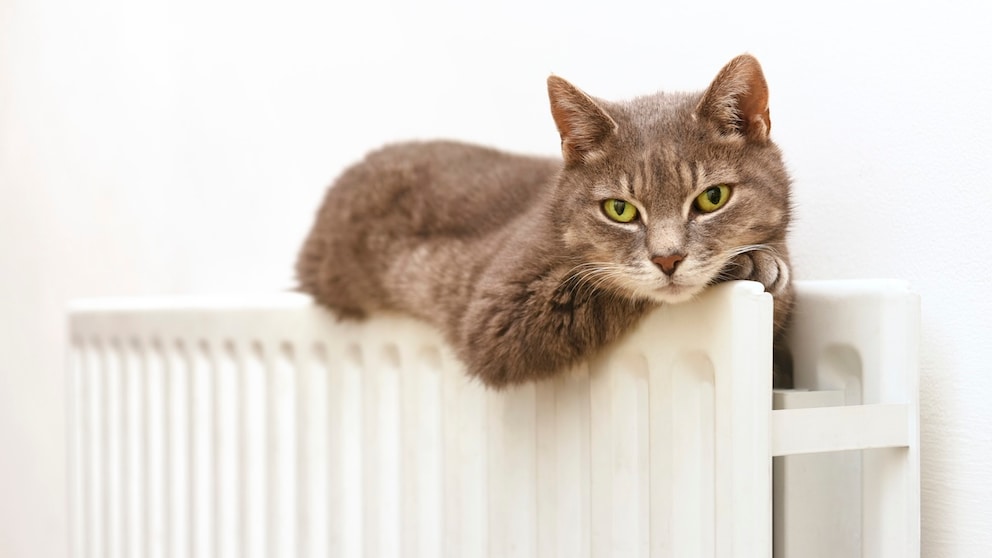
In winter, cats also exhibit very different behaviors—some love the snow, while others prefer to stay on the warm windowsill. Cats with regular outdoor access develop a thick winter coat that protects them from the cold. Indoor cats, however, often show this coat change less pronounced. “A vital, healthy outdoor cat can roam outside even in freezing cold without concern,” says Schlierenkamp. “If there is no cat flap, the animal should always have access to a dry, draft-free shelter.”
The energy requirement is strongly dependent on the activity level. While outdoor cats burn more calories in winter, owners of indoor cats must ensure a balanced diet and sufficient exercise to prevent obesity. Some cats sleep up to 20 hours a day during the cold season.
For young kittens under six months, older animals, or cats without an undercoat, winter outdoors is less suitable—they should stay in the warmth.
Rabbits in Outdoor Enclosures: Keep an Eye on Fresh Food and Water
Rabbits living in outdoor enclosures also need a balanced diet in winter. This should mainly consist of hay, but also fresh vegetables—like carrots or celery—and herbs. A high energy and nutrient content is important to regulate body heat and strengthen the immune system.
“Fresh vegetables, and in smaller amounts fruit, should be offered in small portions but more frequently so that everything is eaten immediately,” advises Schlierenkamp. Too cold or even frozen food can strain the animals’ sensitive gastrointestinal tract.
Especially important: The drinking water should be checked several times a day during freezing temperatures and replaced if necessary. Open water bowls are better suited than metal nipple drinkers, as the animals’ tongues can freeze to them.
If unsure which pet needs more food in winter, consult your veterinarian or ask for complete winter food at a specialty store.