

February 24, 2026, 5:39 pm | Read time: 3 minutes
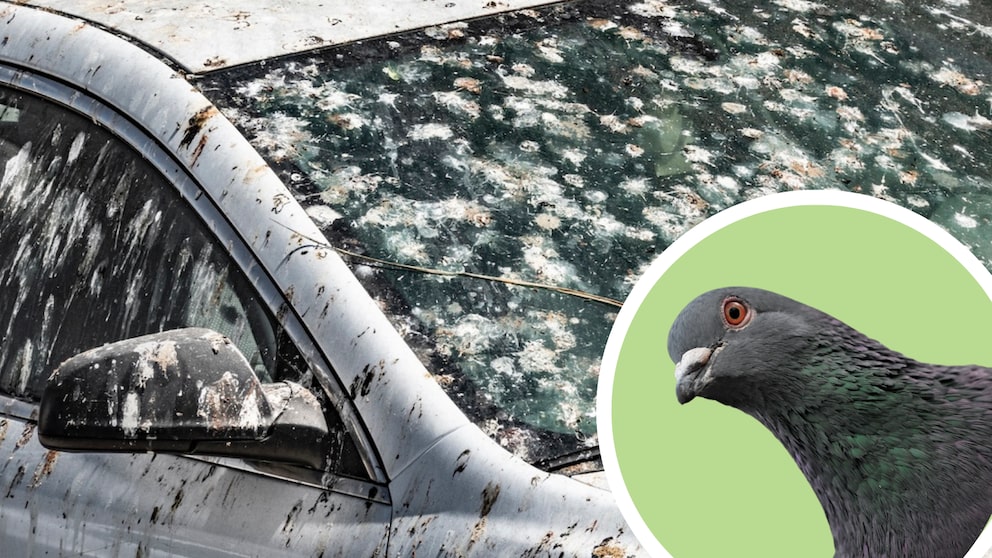
A sunny morning, the car gleams—until you spot the hood: bird droppings. A small spot that triggers big emotions and ruins the start of the day for some. But why do birds seem to find your car so enticing?
When the Car Becomes a Target
What sometimes seems like deliberate intent to us actually has no malicious intent. Some suspect that birds mistake the shiny surfaces of our cars for water. However, this is more common among bird species that nest near bodies of water. There is also no specific color or car brand that birds target. 1, 2
In many cities, people are just glad to find a parking spot at all—without having to circle for hours. But sometimes there’s a good reason why certain spots are surprisingly free. A glance upward reveals the answer—the crowns of street trees house birds.
Does Everything Good Come from Above?
Crows, starlings, and pigeons gather on the branches—and these birds share a common habit: They return to the same roost night after night. Thus, a branch quickly becomes a convenient one-room apartment with a built-in restroom. Gravity does the rest—turning many a car below into an unwitting canvas.
Dark paint jobs are hit particularly hard. A once sleek, deep blue, freshly washed car can sport a new, unintended artistic “splotch look” in just a few hours. However, the birds don’t pay attention to the car’s color.
Caution! Dropping Season
“What’s especially annoying in spring and summer?”—If you were to wake up drivers in the middle of the night, the answer would likely be reflexive: “Birds and honeydew!” Who can blame them? So what can be done to avoid such inconveniences?
It’s best to choose a parking spot carefully. Easier said than done, especially in densely built cities. However, you might save more time by not having to clean your car. Avoid parking spots with streetlights or large trees.
Suddenly Seeing Yellow Spots on Your Car and Laundry? This Animal Is to Blame
What Do Pigeons Eat in the Wild?
Why Bird Droppings Are Bad for Cars
Many birds have an astonishingly varied diet—ranging from berries and worms to fish and hard seeds and grains. Sometimes tiny grains of sand end up in their beaks, which later appear in their droppings.
To digest all this, birds need extremely strong stomach acid. However, this means their droppings can be quite aggressive on surfaces—especially car paint. Water-based acrylic paints are particularly sensitive: The corrosive mixture can penetrate the top clear coat layer in just 10 to 20 minutes.
The ADAC advises “rinsing the paint with running water” to remove the bulk of it. However, white edges may remain, as the droppings dry faster on the outside of the splotch. To remove these stubborn spots, the ADAC recommends soaking them with a damp cloth. Then let it dry and polish over the paint.3
No Reason to Be Mad at the Birds
Even if it sometimes seems intentional—birds don’t aim for color, brand, or fresh paint. They simply do what birds have to do. To avoid the hassle, it’s better to look up when parking—and save yourself the next unplanned wash day.