

October 26, 2025, 2:56 pm | Read time: 3 minutes
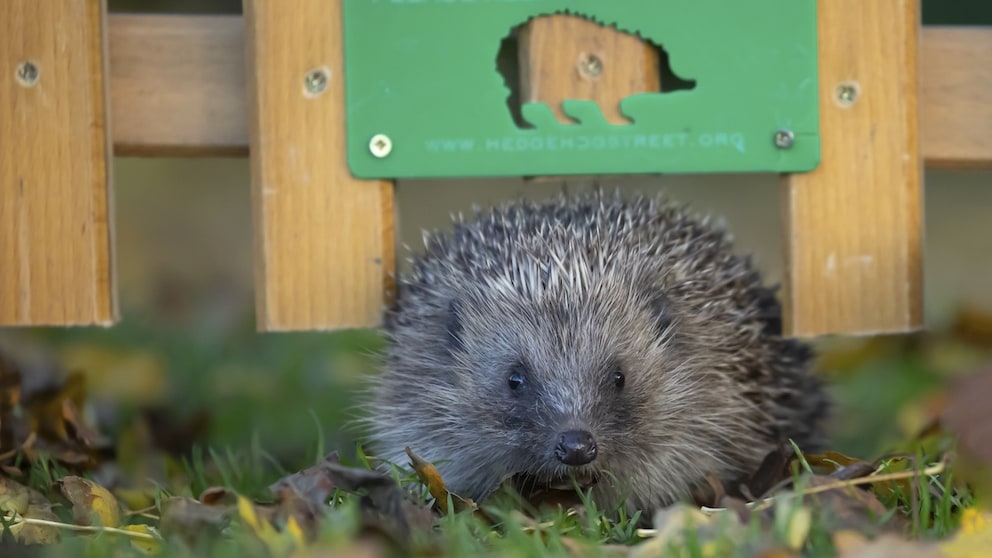
If you want to make your garden animal-friendly, you often think of flowering meadows or insect hotels. But a small detail with a big impact is often overlooked—the hedgehog gate in the garden fence. It’s not only an effective aid for hedgehogs on the move but can also be a charming design element in the garden. An expert explains what to consider when implementing it—and how to make the garden even more hedgehog-friendly.
Small Opening, Big Impact
A hedgehog gate makes it easier for hedgehogs to access different garden areas—and pleases not only animal lovers but also conservation organizations. NABU spokesperson Julian Heiermann explained to myHOMEBOOK (part of the BOOK family by Axel Springer) that this is a “great idea.” The concept is simple but very effective: “Cut openings in fences to make them passable for hedgehogs.”
To prevent animals from getting injured while passing through, Heiermann recommends framing the opening with a sturdy border: “Sharp edges or pointed fence elements can be effectively ‘neutralized’ so that hedgehogs and other animals don’t get hurt.”
Such a frame can also be decoratively designed—with an additional positive effect: “Raise awareness about the problem of often impassable property enclosures due to fences.” And visually, hedgehog gates can be appealing: “Simple holes don’t look as nice as gates that can also enhance the garden’s appearance.”
Dimensions, Material, and Location–What’s Important for the Hedgehog Gate
For the gate to serve its purpose, certain criteria must be met. Size is particularly crucial: “A dimension of 13 by 13 cm is very suitable here.” The material also plays a role, especially its origin and processing. “If wood is used, local wood from ecological forestry is suitable,” says Heiermann. Certifications like FSC or the Naturland seal can serve as a guide.
Robust types of wood like oak, robinia, or larch are particularly suitable, according to Heiermann. If you want to protect the wood further, you should use environmentally friendly paints. The Blue Angel environmental label can help with the selection.
The right location also requires careful consideration. “Regarding placement, garden corners are suitable so hedgehogs can easily find the openings. On the other hand, there should be no dangers lurking, such as a road, shafts, or pools that hedgehogs could fall into.”

Hedgehogs Need Year-Round Support–Here’s How to Help

How Small Changes in the Garden Can Help Amphibians Survive the Winter
No Danger from Unwanted Guests
A common criticism of hedgehog gates is the potential use by other animals, such as martens or rats. NABU expert Heiermann is relaxed about this: “Martens can climb over any fence anyway, and rats can squeeze through very narrow gaps.” The concern that a hedgehog gate creates additional access for these animals is therefore unfounded.
Creating More Habitat–How to Make the Garden Hedgehog-Friendly
If you want to support hedgehogs permanently, you should think beyond the hedgehog gate to a natural garden design. Piles of deadwood, native shrubs, and hiding places offer hedgehogs protected habitats. Leaving piles of leaves can also help endangered native species.
At the same time, potential hazards should be avoided—such as open shafts, sharp garden tools, or poisonous plants. A hedgehog-friendly garden doesn’t require a major redesign—even small measures like a hedgehog gate can make a significant difference.