


November 4, 2025, 4:28 pm | Read time: 5 minutes
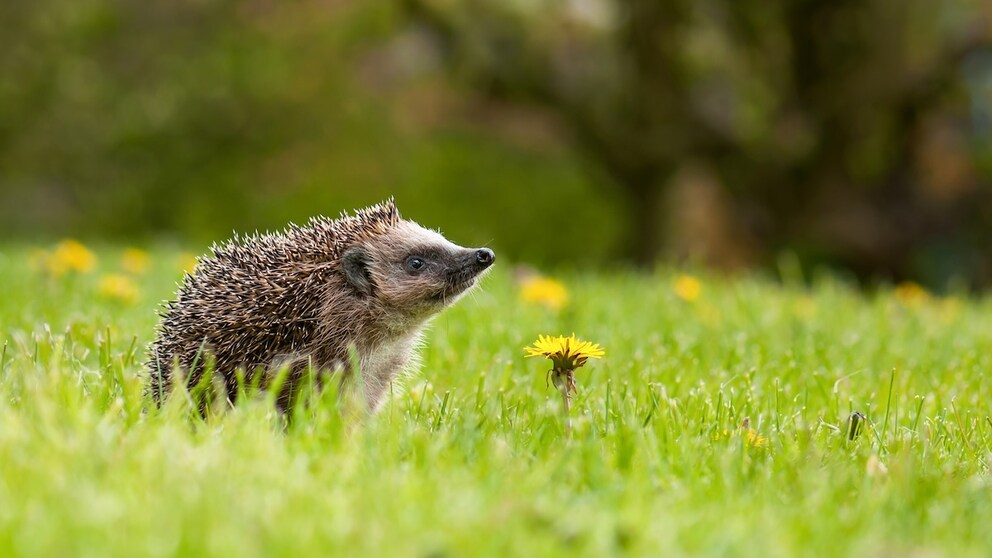
Hedgehogs are among the most charming wildlife in our gardens—but they are threatened. Simple measures can make a big difference: A pile of leaves, a water source, or a small hedgehog gate in the fence can be vital. PETBOOK explains how you can help hedgehogs year-round and answers the most important questions from the first spring walk to hibernation.
Overview
- Are Hedgehogs Threatened?
- How Can I Support Hedgehogs in the Garden?
- Can I Feed Hedgehogs?
- Do Hedgehogs Need a Hedgehog House?
- When Do Hedgehogs Hibernate?
- When Do Hedgehogs Need Help?
- Should I Support Hedgehogs in the Summer?
- 5 tips for a Hedgehog-Friendly Garden
- Found a Hedgehog–Who do I Contact?
- Conclusion: Every Garden Can Be a Hedgehog Paradise
Are Hedgehogs Threatened?
The European hedgehog (Erinaceus europaeus) is under special protection in Germany. Their populations have been declining for years—due to habitat loss, road traffic, and the use of chemicals in gardens. Experts warn that hedgehogs have little chance of survival if conditions do not improve.
In addition to increasing land sealing, the lack of insects is a serious problem: Hedgehogs are carnivores. Without beetles, worms, and snails, their food bowls remain empty—and winter can become a deadly trap.
How Can I Support Hedgehogs in the Garden?
A natural garden is the most important protection for hedgehogs. Instead of bare lawns, hedges, shrubs, compost, and leaf piles should be present. Here, hedgehogs find shelter, food, and nesting sites.
An ideal hedgehog garden offers:
- Leaf and brush piles as natural hiding places
- Native plants that attract insects
- Small ponds with shallow edges as drinking spots
- Open passages in the fence—so-called hedgehog gates—about 13 x 13 centimeters in size, allowing the animals to roam freely.
Toxic substances like slug pellets or chemical fertilizers have no place in a hedgehog-friendly garden—they endanger both the hedgehogs and their prey.
Can I Feed Hedgehogs?
As a rule, a healthy hedgehog finds enough food in a natural garden. Feeding is only advisable in exceptional cases—for example, if an animal is underweight or weakened, or during prolonged drought and food shortages.
Permitted foods include:
- Cat or dog food (without sugar and spices, with a high meat content)
- Fried, unseasoned ground meat or scrambled eggs
- Special hedgehog food from pet stores
Milk, fruits, vegetables, bread, and leftovers are off-limits. Hedgehogs are lactose intolerant and poorly digest plant-based foods. After hibernation, hedgehogs should not be fed immediately—their digestive system is still in low gear. Fresh water is sufficient in the first days after awakening.
Do Hedgehogs Need a Hedgehog House?
A hedgehog house or so-called hedgehog castle is an ideal retreat—a sleeping place in summer, a winter quarters in fall. Those who are handy can easily build such a house themselves: with a stable base of stones or wood, covered with branches, leaves, and brushwood. A weather-protected location is important—for example, under shrubs or behind a shed.
Alternatively, ready-made models made of wood concrete or wood can be purchased. It is crucial that the house remains dry and is not placed in a depression where water collects.
When Do Hedgehogs Hibernate?
Hedgehogs usually begin hibernation in October or November, depending on the weather. Males retreat first, followed by females and young animals. During hibernation, body temperature drops to a few degrees, and heart and breathing rates slow down drastically.
The animals wake up again in March or April. However, in mild winters or sudden warm phases, hedgehogs may become active too early—and then find little food. Therefore, it is important that they are well-fed and safely housed in the fall.
When Do Hedgehogs Need Help?
Not every hedgehog found needs human assistance. Help is needed if:
- The hedgehog weighs less than 300 g (young animals before winter),
- It is wandering around during the day, obviously injured or sick,
- It is still actively searching for food during frost.
In such cases, the animal should be kept warm and dry, and a wildlife rescue center, NABU, or a veterinarian should be contacted. Healthy animals must not be taken away—they are protected by species conservation laws (§ 43 Abs. 6 BNatSchG).
Should I Support Hedgehogs in the Summer?
Yes—because summer is the breeding and rearing season. Females need a lot of energy during this time. A water source and an insect-friendly garden are the best help. Safe sleeping places in bushes or under wood piles are also important. Avoid using robotic mowers and trimmers, especially at dusk—they cause fatal injuries to many animals each year.
5 tips for a Hedgehog-Friendly Garden
- Leave leaves: Natural hiding places instead of a “tidy” lawn.
- Create a hedgehog gate: Make a 13 x 13 cm opening in the fence.
- Provide water: Clean and refill a shallow dish daily.
- Turn off robotic mowers: Especially at night—life-threatening for hedgehogs!
- Do not use poison: Slug pellets and pesticides harm hedgehogs indirectly through their food.

Injured Hedgehog Found? How You Can Help Now
Why a Hedgehog Gate in the Garden Fence Can Make a Big Difference
Found a Hedgehog–Who do I Contact?
For injured or needy hedgehogs, local hedgehog stations, veterinarians, or animal welfare organizations can help. Information on regional contact points can be found at NABU, the Nature Conservation Union, or through the animal welfare organization “Four Paws.” Never release the animal without consultation—expert care often determines life or death.
Conclusion: Every Garden Can Be a Hedgehog Paradise
Hedgehogs do not need exotic feeding bowls, but safe habitats. Those who leave leaves, avoid chemicals, and create small passages in the fence are already doing valuable conservation work. The spiky insectivores appreciate it with their quiet presence—and help keep pests in check. A garden that pleases hedgehogs is always a garden full of life.