


November 24, 2026, 5:30 am | Read time: 2 minutes
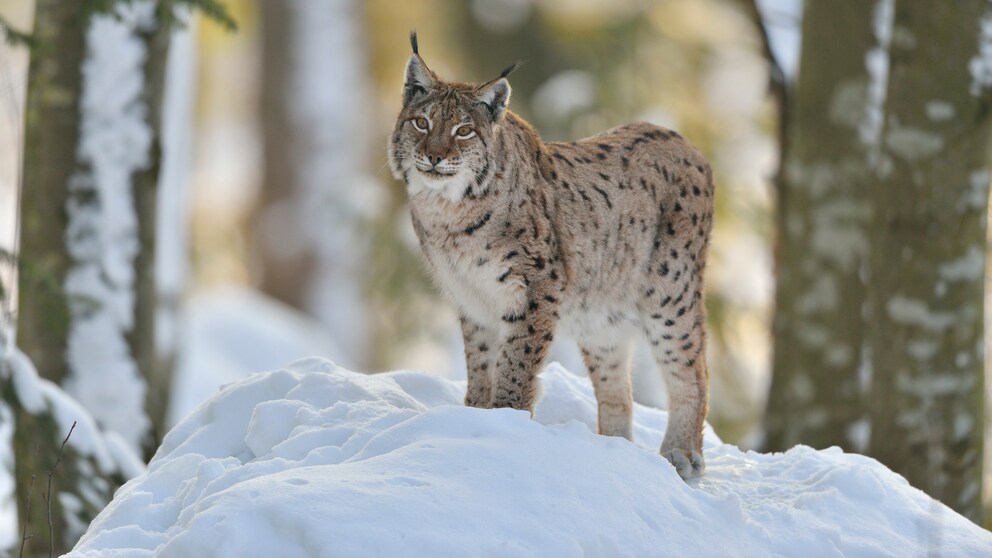
In the cold season, many animals retreat to their dens or enter a state of hibernation. But not all sleep through the winter: In snowy forests, numerous animals can still be observed. Those who enjoy being in nature can easily recognize many of them. But can you do so when you only see a piece of fur or feathers? In our quiz, we’ve selected 11 native winter animals. Can you identify them all?
Can You Identify All 11 Native Winter Animals in the Quiz?
While some animals are active in winter, others–like the squirrel–are rarely seen. These small rodents only venture out to retrieve nuts from their stash; otherwise, they remain in winter rest. Animals like the hedgehog, on the other hand, sleep through this season in a hideout. They reappear in the spring.
For our quiz, we’ve focused on animals that remain active throughout the winter and can actually be observed. Have fun guessing.
Want more puzzle fun? Then check out one of our other quizzes:
- Can you identify all 14 native winter birds at a glance?
- Can you identify these 12 animals just by their noses?
- Can you identify these 11 animals by their fur?
- Can you identify these 12 dog breeds just by their tails?

12 Terms From Hunting Dog Training in a Quiz
What Do Wasps Actually Do in Winter?
How Animals Survive the Cold in Winter
While hedgehogs, dormice, brown bears, and others hibernate or rest in winter, some remain active even in the cold season. But how do they manage to stay warm in freezing temperatures?
There are various strategies for this. A common one is the winter coat, which typically consists of numerous curly wool hairs that trap warm air and prevent body heat loss. Birds achieve the same effect by fluffing up their feathers.
A layer of fat that animals accumulate can also protect against heat loss. Waterfowl like ducks have a special trick: Their feet are always ice-cold. This may sound counterproductive, but it prevents them from losing heat through their feet. Unlike the rest of their bodies, their feet are not covered with insulating feathers. Another effect of cold feet is that ducks do not freeze to the ice on frozen lakes.
Sources:
- Niedersachsen.nabu.de, “Winter Rest, Hibernation, and Winter Torpor–Survival Strategies of Animals in Winter” (accessed on 11/24/2026)
- “Geo.de”, “Animals in Winter” (accessed on 11/24/2026)