


November 15, 2024, 1:53 pm | Read time: 2 minutes
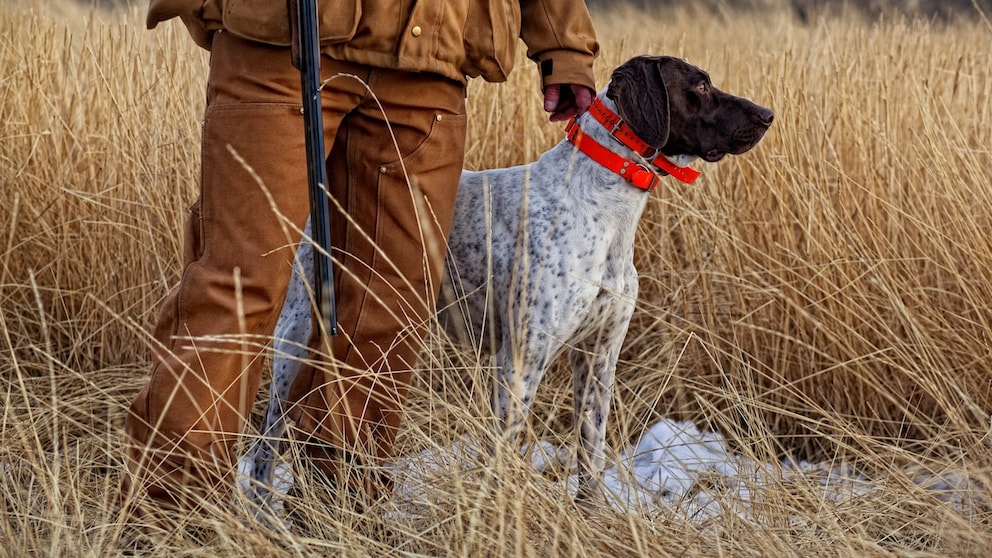
Blender, Bilnker, gravedigger–these aren’t nicknames for a gang of villains. These terms all come from the so-called hunter’s language and refer to hunting dogs. Can you guess what they mean in our quiz?
Hunters have their own unique language. This also applies to the training and handling of hunting dogs. While some words like pointing or flushing are familiar to laypeople, there are many terms you’ve probably never heard. Or would you know what “bögeln” means? You’ll find the answer in our quiz on hunting dogs.
Hunting Dogs–Can You Guess All the Terms in the Quiz?
The term “leading the dog away” doesn’t mean treating it like a convicted criminal. Hunters use it to refer to training the dogs. But it gets even wilder. For our quiz, we’ve selected 12 terms from the hunter’s language about hunting dogs that seem particularly quirky or funny to laypeople. Can you guess their meanings?
Still not enough guessing? Test your skills in another PETBOOK quiz!
- Dog Breeds from 100 Years Ago–Can You Recognize Them All in the Quiz?
- Would You Pass the Dog License Test? Test Your Knowledge in the Quiz!
- Can You Recognize These 11 Little-Known Dog Breeds?
- Can You Identify These Native Winter Animals Just by Their Fur and Feathers?
Where Does the Hunter’s Language Come From?
The hunter’s language, also known as the hunter’s jargon, is the traditional technical and special language of hunters. It primarily serves for precise communication among them. The specific terms often allow conditions and events during the hunt to be described much more simply and briefly than with conventional language.
The hunter’s language is also part of hunting traditions. It was mainly used by the nobility, who wanted to distinguish themselves from the “common people” during hunts. From the 12th century, it developed further as the guild language of professional hunters. In the German-speaking world, the hunter’s language became increasingly standardized from the 19th century onward.
Dogs have been part of hunting from the beginning. They take on various tasks, and so different terms emerged around the training and handling of hunting dogs, some of which appear in our quiz. For example, hunters have their own terms: ears are called “behang,” and long hairs on the tail are referred to as “flag.”