

January 30, 2026, 9:18 am | Read time: 6 minutes
Will woolly mammoths or the extinct flightless bird, the dodo, soon be back on our planet? A company has taken on the task of breeding a woolly mouse and speaks of the first step towards the revival of the mammoth.
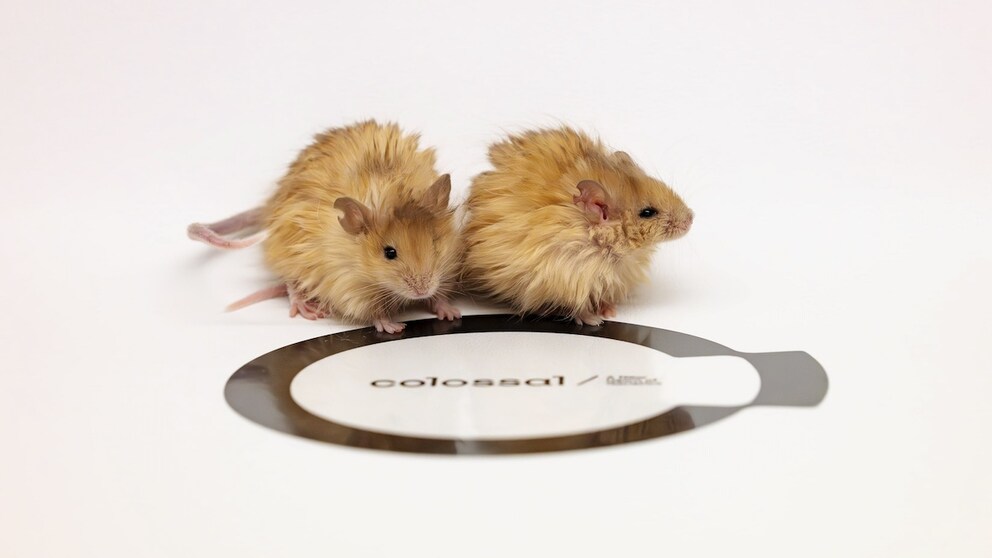
A mouse with mammoth hair might sound like a plot from a science fiction novel, but it has become a reality. The biotech company Colossal Biosciences has created a genetically modified woolly mouse that carries some of the characteristics of the woolly mammoth (Mammuthus primigenius) through targeted DNA modifications.
The company heralds this as a pivotal breakthrough on the path toward resurrecting extinct species. Yet, the question remains: how significant is this step towards the monumental goal of engineering a mammoth-like elephant genome? Scientists remain skeptical and question the ethics of the project.
A Colossal Success or Merely a Pointless Gimick?
Colossal Biosciences has set itself the task of bringing back species that have become extinct, such as the woolly mammoth or the dodo, through genetic engineering—a project that is as ambitious as it is controversial. The company’s most recent innovation is a mouse endowed with long, shaggy fur, genetically modified to exhibit traits reminiscent of mammoths. According to Colossal, the so-called “Woolly Mouse” is a significant milestone in “de-extinction” research, i.e., the attempt to revive long-extinct species.
However, the practicality of resurrecting animals that vanished during the last ice age, or those that can no longer be reintroduced into their native habitats, remains a topic of debate. Many experts doubt that this genetic engineering achievement really represents significant progress for the return of the mammoth or dodo.
Critics contend that the project serves more as a symbolic proof of concept rather than a tangible stride towards the genetic resurrection of extinct species. They also raise the ethical question of whether it is at all sensible or responsible to bring back species that would probably not have much chance of survival in the Earth’s current climate.
Mammoth Genetic Material Transferred to Woolly Mice
This specific experiment investigated whether and how certain genetic changes from the mammoth genome can be transferred to mice. The scientists selected gene variants that influence hair growth. They modified these using CRISPR-Cas9, also known colloquially as “gene scissors.” The aim was to find out whether these genes are actually responsible for the typical long, thick coat of the mammoth—an important finding for the long-term goal of “reviving” it.
Up to eight genetic changes were made in seven different genes. These were not only genes that originated from the mammoth genome. Mouse genes known from other sources that affect hair structure, color, and growth were also used. One of these changes concerned the Fam83g gene, which is involved in an already known mouse mutation for long fur.
The resulting mice also developed a long, wavy coat with a slightly reddish coloration. The researchers are currently investigating whether these genetic changes also have other physiological effects, such as improved adaptation to the cold. However, the possible long-term consequences of the mutations on the health, reproduction, or life expectancy of the mice are still unclear. In addition, the study has not yet been reviewed by independent scientists. 1
Are the Woolly Mice More Resistant to Cold?
Colossal Biosciences is still trying to identify genes that have adapted the woolly mammoth to its icy environment. These include genetic changes that are responsible for thick fur, improved cold tolerance, and altered fat depots. In order to test the function of these genes, the company compared the genetic material of mammoths with that of living relatives, in particular Asian elephants.
However, the hair experiment did not reveal any major changes in the fat metabolism of the mice. Despite targeted changes in genes associated with better fat storage, the mice showed no differences in their weight or body fat composition compared to unaltered control mice. Whether the mice could therefore have a higher cold tolerance still needs to be verified. Nevertheless, Colossal Biosciences considers the woolly mice to be decisive proof that the insertion of mammoth genes produces visible biological effects.

Fans Shocked by Tom Brady’s Clone Dog

Why Mammoths and Saber-Toothed Tigers Were So Huge
Loud Criticism from Scientists
Nevertheless, critics counter by asserting that such genetic modifications would not be replicable in an actual mammoth. The knowledge gained from hybridization is therefore limited. Although the company Colossal Biosciences talks about reviving the mammoth in many places, it is more specific on its website: “The plan is not to replicate real woolly mammoths, but to transfer their cold-adapted genetic traits, such as small ears and more body fat, to their elephant cousins to create a hybrid that can wander in the tundra, where mammoths have not been seen for 10,000 years,” it says.
Yet, this prompts a renewed inquiry into the project’s rationale and viability. The Asian elephant, which is to be used by Colossal, is “threatened” according to a report by the IUCN, which publishes the Red List of Threatened Species. Its population size has declined by at least 50 percent in the last three generations, according to the IUCN. This is due to a reduction in its range and the quality of its habitat. In addition, the habitat is highly fragmented, and human-animal conflicts occur time and again.
Consequently, the justification for funneling billions into such a speculative endeavor, while extant endangered species languish with scant protection, comes under scrutiny. How much tundra will be left if the revived hybrid mammoth is to be settled there? There are also safety issues—what happens if genetically modified animals escape from laboratories and reproduce uncontrollably? 2
Biotech Company Claims Mammoths Will Stabilize the Arctic Ecosystem
While Colossal argues that reanimated mammoths could stabilize the Arctic ecosystem, many scientists consider this to be a speculative and exaggerated claim. They criticize the project for being more of a PR stunt than a genuine scientific breakthrough. While Colossal advertises grand visions, it remains unclear if and when a viable mammoth-elephant hybrid could actually be created. However, the company continues to plan with the aim of creating mammoths by 2027 or 2028.
As such, the ethical debate surrounding ‘de-extinction’ projects is poised to persist. After all, it is not clear whether this project will create healthy populations of woolly mice. It is also unclear how it could fit into ecosystems that are already undergoing change due to climate change.3