


November 5, 2025, 10:34 am | Read time: 5 minutes
What to do when a beloved dog dies? Former NFL star Tom Brady has found an unusual answer to this question—and it’s drawing attention and significantly negative reactions. His new dog, Junie, is a genetic twin of his deceased pet, Lua. But Brady’s interest isn’t just sentimental; the former athlete is also pursuing a larger goal with his involvement in a biotech company.
Junie Is a Clone of the Late Dog Lua
Tom Brady has announced that his dog Junie is a clone of his former pet Lua. Lua, a pit bull mix, lived with Brady and his then-wife, Gisele Bündchen, for many years and died in December 2023. The genetic sample from which Junie was created was taken before the animal’s death, according to the company Colossal Biosciences.
“I love my animals. They mean the world to me and my family,” Tom Brady said in a statement released through Colossal about the “replacement” dog. “A few years ago, I partnered with Colossal and used their non-invasive cloning technology through a simple blood draw from our older dog before she passed away.”
Colossal is a biotechnology company based in Dallas, in which Brady is an investor. PETBOOK previously reported on the company’s questionable efforts to bring back extinct species such as the dodo, woolly mammoths, and dire wolves.
The company also announced on Tuesday that it has acquired the cloning specialist Viagen Pets and Equine. Both companies plan to combine their technologies to expand both pet cloning and projects to preserve endangered species.
Cloning as a Second Farewell—or a New Beginning?
Brady emphasized that Colossal has given his family “a second chance with a clone of our beloved dog.” He also expressed confidence in the broader potential of the technology: He is “excited about how Colossal and Viagen can help families with the loss of their beloved pets and save endangered animal species.”
Viagen, now part of Colossal, is no stranger to the industry: The company has already cloned pets for celebrities like Barbra Streisand and Paris Hilton. It holds licenses from the Roslin Institute in Edinburgh—the institute that presented the first cloned mammal in the world, Dolly the sheep, in 1996.
Between Emotional Attachment and Ethical Debate
Brady emphasized in his statement that Junie is “not a scientific experiment, but a part of our family.” However, the topic of animal cloning repeatedly sparks controversial discussions—not only because of the high costs, which according to Viagen range from $50,000 to $85,000 per dog—but also due to ethical concerns. The technique has already made its way into pop culture, such as in an episode of the HBO series The Rehearsal, which addressed the ethical questions behind recreating deceased pets.
A look at the online debate makes it clear how polarizing the topic is—between personal attachment, technological feasibility, and societal questions about ethics and animal welfare.

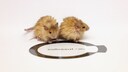
Are Woolly Mice the First Step on the Way to Reviving the Mammoth?

Animals also mourn the loss of their own kind
Criticism of Tom Brady’s “New” Dog: “This Is So Strange”
Most users are more opposed to Brady and the concept of pet cloning itself. While the former NFL player describes his decision as an expression of deep love for animals, the news about the clone dog Junie has sparked a wave of mixed to critical reactions online. Many users expressed confusion, some even outrage.
“This is so strange. Every dog should be its own experience—that’s the beauty of it,” commented one user, echoing many voices who see cloning as an unnatural intervention. Others pointed to ethical and practical concerns: “I understand the idea behind it, but instead of cloning a pet, maybe one should rescue one that’s already here,” wrote a user, referring to overcrowded animal shelters. It was repeatedly emphasized that adoption instead of cloning is the more responsible path.
Another critical voice put it emotionally: “We need to let things go and move on. It’s not healthy—but it fits people like him.” Critics see cloning as a displacement of grief or even an unhealthy refusal to accept death. The accusation of wanting to control everything with money was also voiced: “You will never be able to replicate the God-given soul,” said one of the most liked posts.
Cloning as Grief Aid–But at What Cost?
Tom Brady’s story also shines a spotlight on the growing but controversial market for pet cloning. Those like the ex-NFL star considering genetically “reviving” their dog must dig deep into their pockets—a clone can cost up to 50,000 euros.
An extensive PETBOOK background report explains how the technically complex process works, what prerequisites must be met, and why storing dead animals in the refrigerator plays a role.
The ethical objections of animal rights activists like PETA and the stance of German authorities are also addressed, because in the EU, the topic is not only controversial but also legally strictly regulated.