

November 3, 2026, 4:55 am | Read time: 8 minutes
Dragons, unicorns, or giant sea monsters have been considered pure fantasy creatures for centuries. Yet many of these mystical beings may have originated from real animals that once fascinated and frightened people alike. Cultural scientist and PETBOOK editor Louisa Stoeffler reveals the astonishing inspirations behind well-known legends and introduces 11 mythical creatures that almost exist in nature.
1. The Harpy
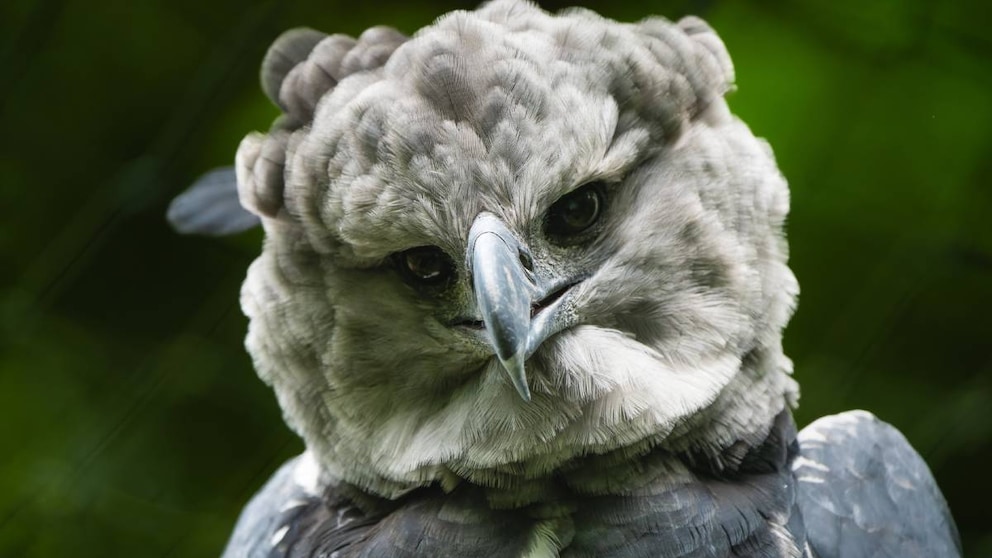
Not only in the cult animated film “The Last Unicorn” does the harpy make a prominent appearance. The magical creature, considered a mix of bird of prey and human in Greek mythology, actually exists. Harpia harpyja lives in South America and primarily feeds on monkeys and sloths. They belong to the family of hawk-like birds but are very large and heavy. Up to 110 centimeters in body length with a wingspan of up to two meters. Harpies exhibit pronounced sexual dimorphism. Females weigh up to nine kilograms, making them twice as heavy as males.
2. The Unicorn
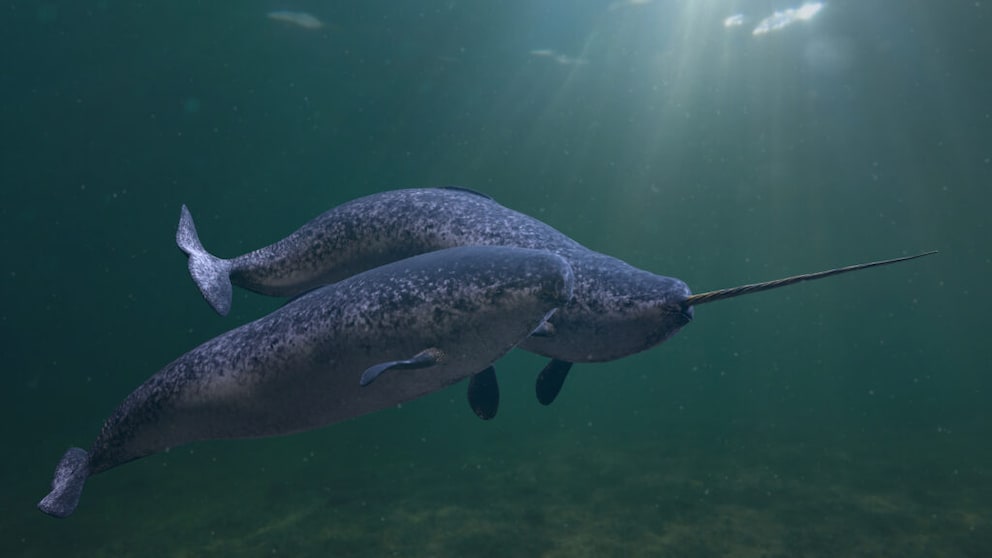
Speaking of the film “The Last Unicorn”: There are also some real-world counterparts for the unicorn. However, these are not animals that resemble horned horses but rather other horn-bearing creatures. One example is the narwhal, also known as the “unicorn of the sea.” No wonder, as its long, spiral tusk clearly resembles a horn. It’s logical that sailors once mistook the narwhal for a mythical creature. Yet it is a real Arctic animal and even related to beluga whales.
The narwhal does not seem to be the origin of the mystical “unicorn.” This could lie with the Asian species such as the Javan, Sumatran, and Indian rhinoceros, all of which are “unicorns,” unlike the African species, which all have two horns. However, it is more likely that the belief in the unicorn solidified during the Neolithic period. Fifty thousand years ago, an Ice Age animal called Elasmotherium sibiricum–the Siberian unicorn–lived. It was likely a type of steppe rhinoceros, but its long, slender legs made it resemble a horse more than today’s rhinoceroses. Thus, it is plausible that early humans knew the “unicorn” and perhaps even hunted it.
3. The Dragon
When we talk about dragons, many envision fire-breathing, scaly giants with claws. However, the origin of the “drakon” in Greek mythology is more of a giant serpent, sometimes also called a lindworm.
The dragon as a symbol is especially prevalent in religions that originated in Asia (Buddhism, Taoism, Confucianism) as a symbol of strength and luck. The belief in dragons could also be attributed to early fossil discoveries of dinosaur bones. According to reports, these were first discovered in China around the year 1000.
Large dangerous reptiles still exist today: The Komodo dragon, sometimes also called the Komodo monitor, fits this criterion best. It is the largest living reptile, growing up to 3 meters long and possessing venomous teeth that can poison its prey with just one bite.
4. The Kraken
The kraken, a mystical sea monster, takes us back to the superstitious beginnings of seafaring. It likely refers to giant or colossal squids. Very little is known about these animals; it wasn’t until April 2025 that a colossal squid was filmed for the first time (PETBOOK reported).
However, it is highly unlikely that any of the creatures referred to as krakens could drag entire ships into the deep sea. Although these animals are estimated to weigh up to 250 kilograms and grow up to 13 meters long, they have little in common with the mythological monster.
The kraken, or Krøken, is more commonly found in Norse mythology. As recently as 1752, the Danish author Erik Pontoppidan described the appearance of a kraken in detail in his “Natural History of Norway,” citing eyewitness accounts. Whether these witnesses had simply drunk too much mead or were genuinely convinced of the kraken’s existence cannot be determined today.
5. The Mermaid
Not only Hans Christian Andersen’s fairy tale “The Little Mermaid” talks about mermaids–hybrid creatures with the upper body of a woman and a fish tail.
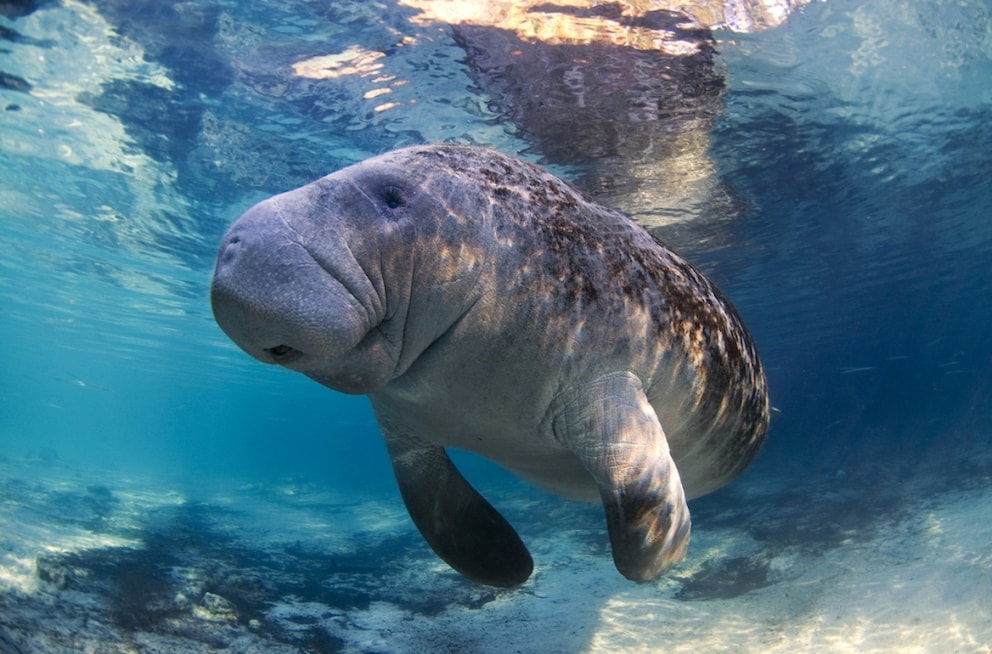
The origin of these mystical beings also traces back to seafaring and sailors who couldn’t explain sightings of certain animals. Christopher Columbus wrote in his logs in 1493 that he had seen mermaids. However, they were not as beautiful as long believed.
It is likely that the conqueror of South America was referring to manatees. Since he landed in the Caribbean, it was probably the Caribbean manatee–even though he likely believed until the end of his life that he had instead seen the dugong, native to the coastal waters of India.
6. The Phoenix
The mystical phoenix might also have a real-life inspiration. In mythology, it is immortal and is reborn from its ashes. Its flaming plumage is also special. With the fictional Fawkes, the phoenix from the “Harry Potter” series, the firebird has become widely known.
The phoenix is most commonly found in Slavic mythology, often described like a peacock. However, birds of paradise may have also served as inspiration. From the late Middle Ages, conquerors and adventurers frequently reported on these exotic birds.
7. The Basilisk
“Harry Potter” features several mythical creatures. Besides the phoenix, many are familiar with the basilisk, the king of snakes, which kills or petrifies anyone who meets its gaze. This mystical creature was first mentioned in the writings of the Greek philosopher Democritus, suggesting it also originates from Greek mythology.
Its counterpart in nature is found in the genus of basilisks, scaly lizards that belong to the iguana family. The largest of them is the helmeted basilisk, which can grow up to 90 centimeters long, with a tail accounting for a proud 50 centimeters. Basiliscus plumifrons and vittatus–the plumed basilisk and the striped basilisk–are also commonly kept in terrariums.
8. The Vampire
Did you know that Bram Stoker’s “Dracula” is not the first literary mention of a vampire? The bloodsucker has haunted cultures and literatures worldwide for much longer. John Polidori wrote the first influential work titled “The Vampire”–in the same literary circle where Mary Shelley’s “Frankenstein or the Modern Prometheus” was created.
However, the idea of bloodsuckers roaming the night is even older. The exact origin of this notion is uncertain. Some reports suggest it originally came from the Slavic region, including the infamous Transylvania. Yet the belief in dark forces that drain people’s life force is found in many cultures, especially when epidemics occurred.
Of course, there are also some bloodsuckers in the animal kingdom. For many, mosquitoes are more annoying than frightening–even though they are the deadliest animals in the world. The Vampyroteuthis infernalis–the “vampire squid from hell”–is also worth mentioning. This deep-sea dweller with cloak-like arms, glowing tentacles, and a sinister appearance only feeds on detritus, or dead organic matter on the ocean floor.
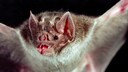
Classically, many think of bats, which unfortunately have a bad reputation and evoke irrational fear in some. However, there are only three species of vampire bats: the common vampire (Desmodus rotundus), the hairy-legged vampire (Diphylla ecaudata), and the white-winged vampire (Diaemus young). All three live in South America and, of course, do not hunt humans.
9. The Hydra
The hydra is another creature from Greek mythology. One of the twelve labors of Heracles, also known as Hercules, was to defeat the creature that could grow two new heads for every one cut off.
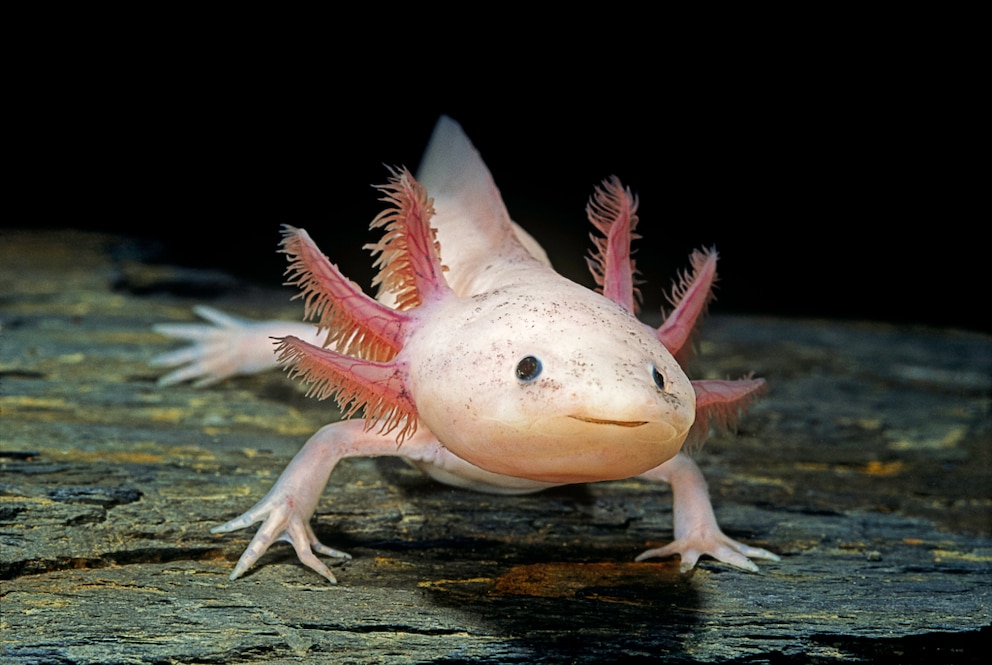
Real-life counterparts include flatworms or salamanders, which can regenerate their tails if they are lost. This is a clever defense strategy when threatened by predators. However, the best counterpart to the quasi-immortal hydra is probably the axolotl. The Mexican salamander can regenerate any limb and even parts of its brain after an injury, as a 2022 study showed.1
10. The Chimera
The chimera is a mythical creature first mentioned in Homer’s “Iliad.” In the description of the mythical Trojan War with the famous wooden horse, Greek gods once again play a role. This creature is a mix of different animals, understood as an illusion or figment of the imagination. However, the deep-sea fish chimaera (Chimaera monstrosa) also received this name.
Today, the term is often used in connection with cats. It describes the rare phenomenon of two-colored facial halves. In this specific coloration, the information for red or black fur on one side of the head is suppressed. In extreme cases, this extends over the animal’s body. More about this phenomenon, also called heterochromia, can be found here: How “chimera patterns” in cats occur.

11 Mythical Creatures That Actually Exist
The Coolest Vampire Animals–From Real Bloodsuckers to Eerie Namesakes
11. The Satyr
Satyrs are lustful, boisterous hybrids of man and goat–known for their behavior, horns, and hooves. Some of these traits are also found in a member of the pheasant family, the satyr tragopan. It rightfully bears this name: With its striking colors and “courtship face,” the male looks like a bird on a mythological courtship mission. However, the real goat with horns, smell, and ramming behavior was likely more influential in shaping the image of the satyr, which symbolically became a mystical creature with these characteristics in humans.
Conclusion
Many legendary mythical creatures have real counterparts in the animal kingdom and were transformed by human creativity into something else. This mystical charge hasn’t always been beneficial to the animals–as seen with bats or harpies. Often, a real and endangered animal is behind it. And sometimes, the truth is even more astonishing than the myth.