


June 9, 2026, 4:12 am | Read time: 12 minutes
Which animal kills the most people? Most would probably guess shark, tiger, or crocodile. In fact, none of these animals even come close to the top spot. The world’s deadliest killer is small, inconspicuous, and encounters billions of people every day. PETBOOK, referencing data from Statista, shows which animals cause the most deaths worldwide.
Overview
Rank 1: Mosquito
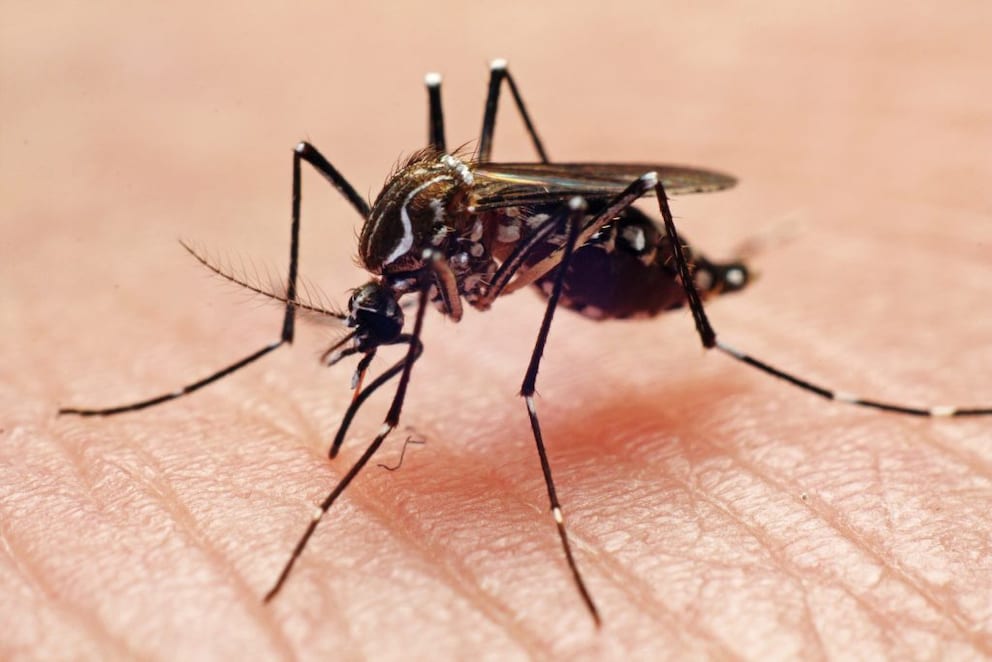
With over 700,000 deaths annually worldwide, mosquitoes top the list of the world’s deadliest animals. It’s not the insects themselves that cause many deaths, but the diseases specifically transmitted by mosquitoes. These include the West Nile virus, dengue fever, and infections with the Zika or chikungunya virus, as well as malaria.
The insects are not inherently infected with dangerous pathogens. Mosquitoes acquire them while sucking blood from infected animals or humans and then pass them on. In our region, the risk of being infected by a mosquito with a dangerous virus is still very low. However, this could change, as climate change increases the threat in our latitudes. The high death toll from mosquito-borne infections is not due to a lack of treatment options. Rather, many people in poor tropical countries simply cannot afford treatment or have little access to medical care, leading to deaths from infections.
Rank 2: Venomous Snakes
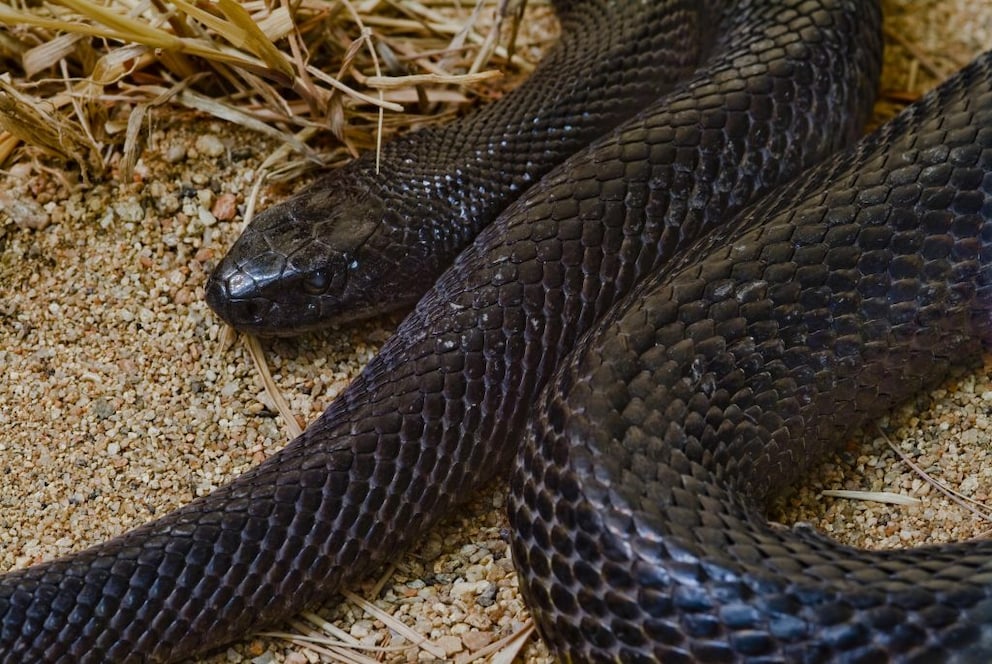
Although the exact number of snakebite victims is unknown, the WHO estimates that over 5 million people are bitten annually, with between 80,000 and 140,000 dying from snakebite effects. This makes snakes the deadliest vertebrates in the world. Snake venom causes muscle and respiratory paralysis, blood clotting disorders, kidney failure, and tissue destruction, leading to permanent damage, loss of limbs, or death.
When it comes to identifying the most dangerous snake species, experts name various candidates. According to an article in the science magazine “Springer”, the Taipan Oxyuranus microlepidotus ranks first in terms of venom potency: a bite contains enough venom to kill 200,000 mice. The snake species that kills the most people is uncertain, but Asian saw-scaled vipers (Echis carinatus), cobras, and neotropical lanceheads (Bothrops) are high on the list.
Also interesting: Can you survive a black mamba bite?
Rank 3: Hookworm
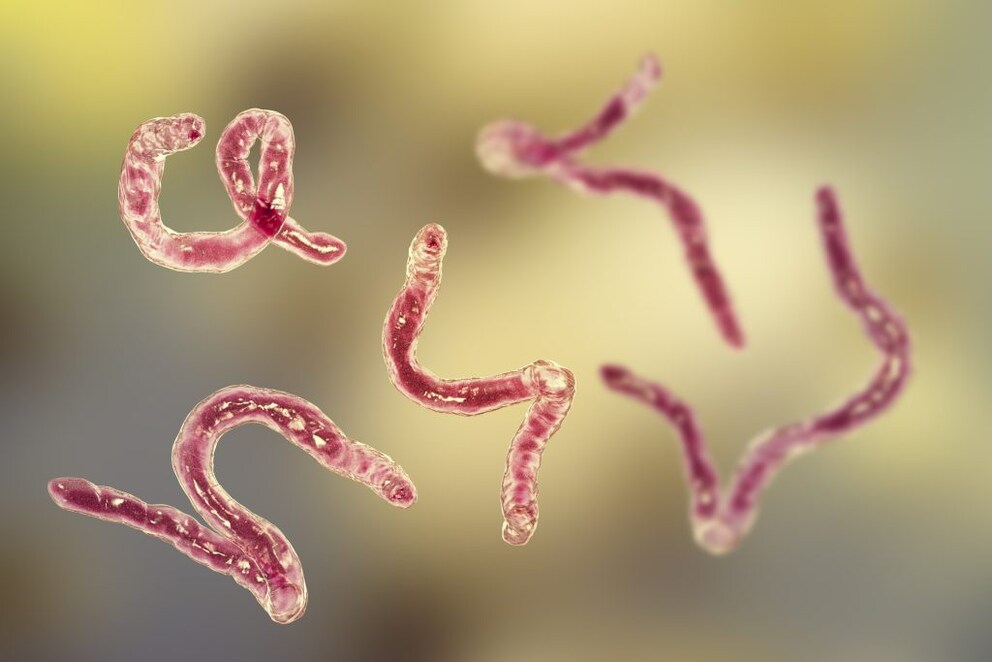
Hookworms are small parasites that primarily reside in the intestines of their hosts, including humans. There, the females lay eggs, which are excreted through the intestines along with feces. The first larvae hatch in the feces. Infection with the parasite occurs through skin contact, usually via the feet, affecting people mainly in the tropics and subtropics.
The larvae penetrate the skin and enter the victim’s bloodstream. From there, they travel from the lungs to the bronchi, causing a cough reflex that leads the host to cough them up and swallow them again, allowing them to reach the intestines. The tiny worms attach themselves between the intestinal villi and feed on their host’s blood. One hundred adult worms can consume up to 50 milliliters of blood per day. The consequences for the victim include fatigue, exhaustion, unconsciousness, depression, and apathy, eventually leading to heart failure and death. According to the Bionity portal, about 900 million people are infected annually, with up to 60,000 dying each year, securing the hookworm’s third place in the ranking of the deadliest animals.
Rank 4: Dogs
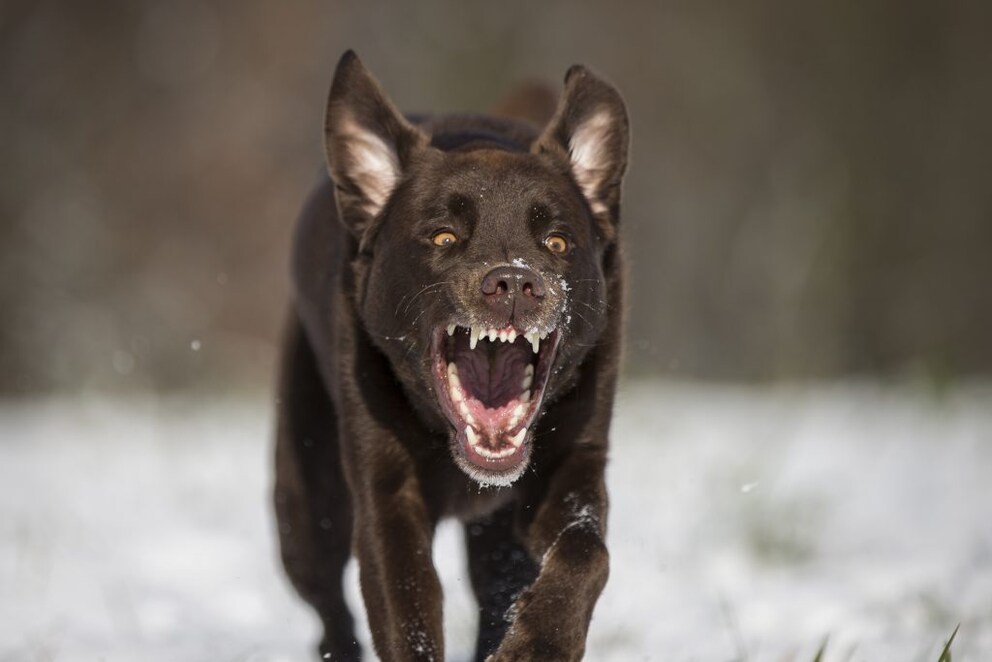
While dogs rarely kill people, they still rank fourth among the world’s deadliest animals. It’s not the bite itself that’s deadly–in Germany, only three to four people die annually from bite injuries. Once again, it’s the pathogens transmitted through dog bites, primarily rabies. This viral disease attacks the nervous system of mammals, including humans. Without prompt treatment, the disease is almost always fatal. According to estimates by the World Health Organization (WHO), around 60,000 people die from rabies each year, mostly transmitted by dogs.
Rank 5: Tsetse Fly
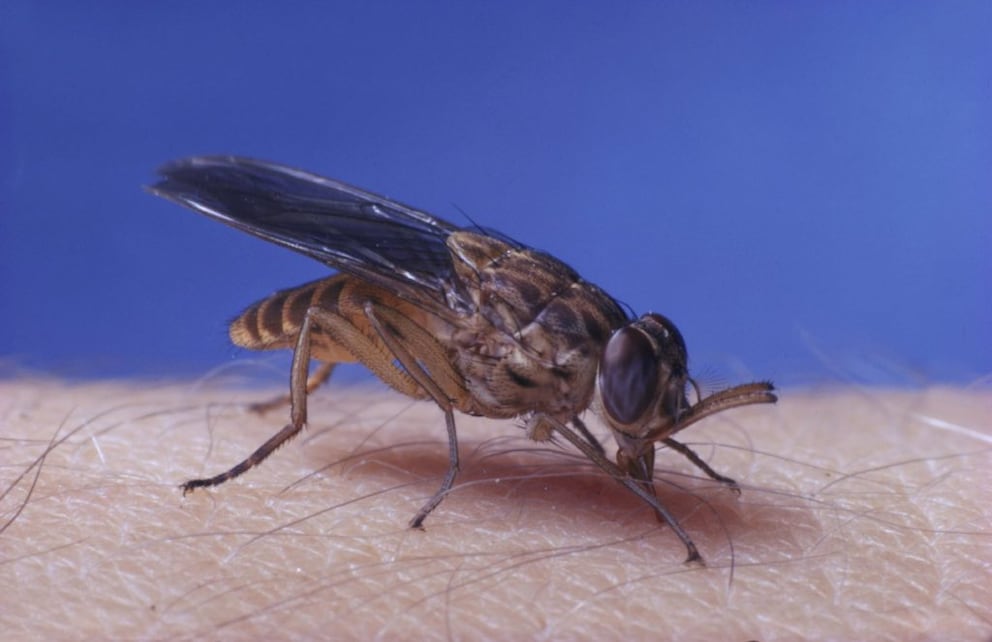
Like mosquitoes, other insects also transmit diseases through their bites. The tsetse fly is found in Africa and feeds on human and animal blood. It primarily transmits the dreaded sleeping sickness, caused by trypanosomes, a single-celled parasite that lives in its host’s blood and can also invade the brain. The disease progresses in three stages. A few weeks after infection, sufferers initially experience fever, chills, edema, lymph node swelling, skin rash, and itching. In the second stage, after several months, changes in the nervous system may occur, such as confusion, coordination and sleep disorders, and seizures. In the final stage, a kind of twilight state occurs, giving the disease its name.
About 10,000 people die annually from sleeping sickness, partly because the infection is treated with arsenic-containing medications that can have severe side effects.
Rank 6: Cone Snail
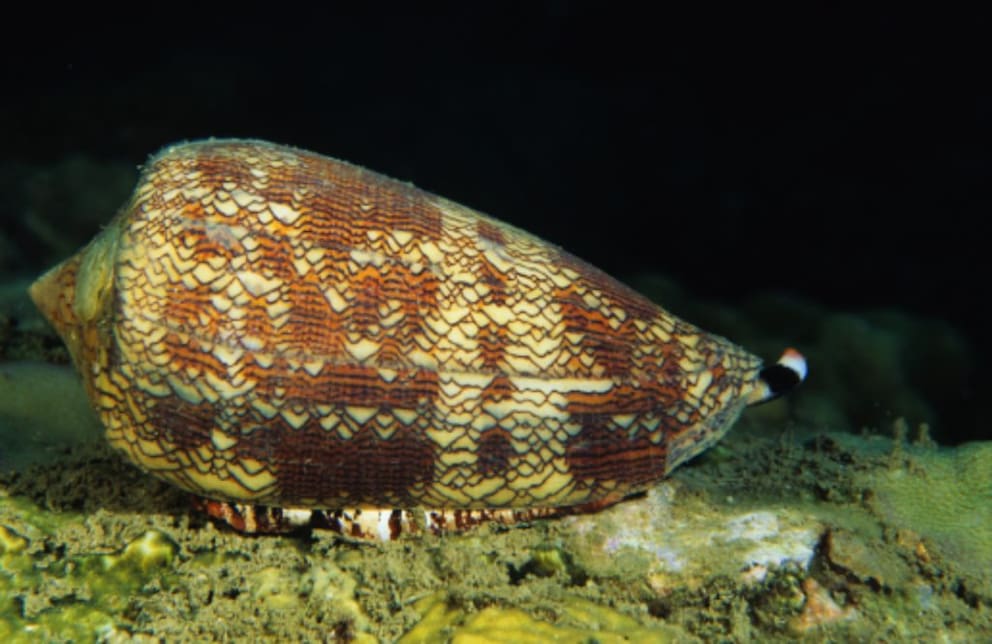
Most snails are harmless, but some are particularly deadly. Among them is the cone snail. Normally, one does not encounter these marine creatures. However, fatal accidents occur in the Indo-Pacific Ocean, as the snails with beautiful shells are particularly venomous. If collected, they may feel threatened and sting. They use their tongue, called a radula in snails, which some cone snail species have transformed into a kind of harpoon to sting fish and defend against humans.
A sting initially causes numbness, followed by paralysis, ultimately leading to respiratory arrest–the victim suffocates. There is no antidote. About 10,000 people die annually from a cone snail sting. Although this is on par with the tsetse fly, since encounters with the snail can be more easily avoided than a bite from a small fly, it ranks sixth in our list of the world’s deadliest animals.
Rank 7: Scorpions
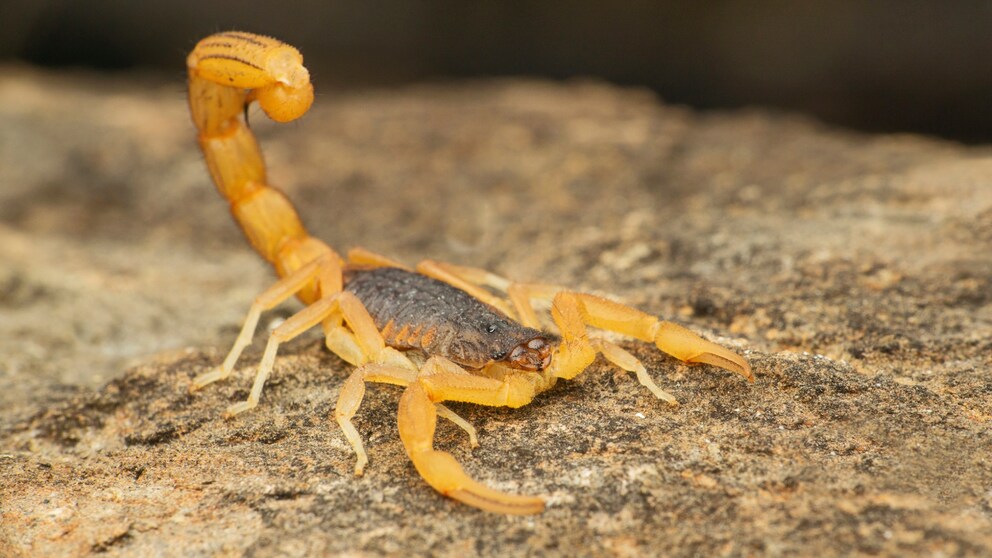
Scorpions are considered very dangerous. In fact, of the more than 2,000 species worldwide, only about 50 have enough venom to kill a human. It’s usually not the particularly large and fearsome specimens, often used in film and television, that are the most venomous. Instead, it’s the small, inconspicuous scorpions that like to hide in shoes or crawl under the covers.
Depending on the source, different species are considered the most venomous in the world. One of them is the Indian red scorpion (Hottentotta tamulus) or East Indian scorpion. Reported clinical mortality rates range from 8 to 40 percent. Children are among the most common victims. The yellow Mediterranean scorpion, found in Egypt and Turkey, is also considered one of the most venomous.
Scorpions use their venom primarily to hunt prey. At the end of their very flexible tail, they have a stinger with a venom sac. The effect of scorpion venom is based on blocking nerve transmission–the victim is paralyzed, which can ultimately lead to death. Worldwide, about 5,000 people die from scorpion stings each year.
Rank 8: Tapeworm
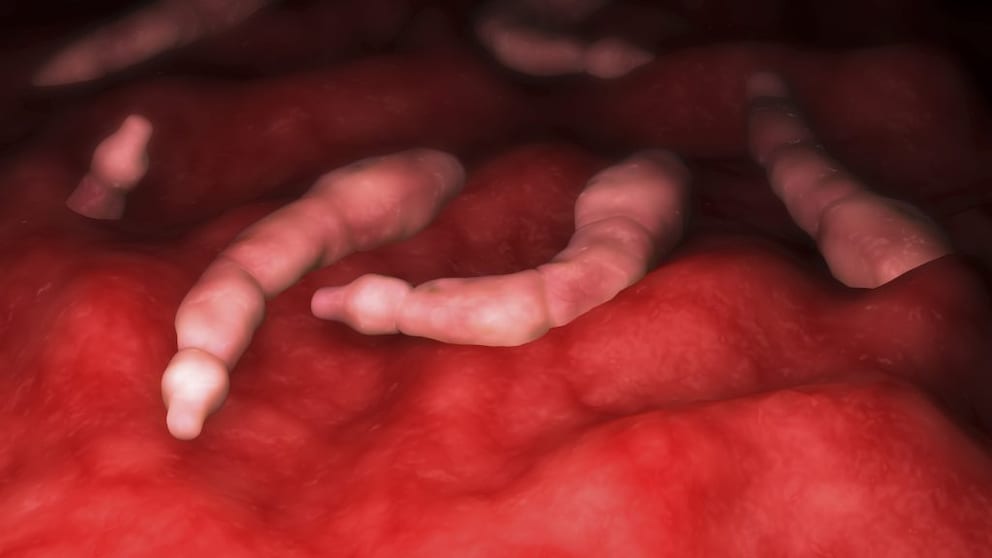
Most tapeworms are merely annoying parasites in the intestines. However, one can be deadly to humans: the fox tapeworm. It’s not the adult worms living in their host’s intestines that are dangerous. They usually cause no symptoms but can lead to abdominal discomfort, diarrhea, and weight loss. It’s the larvae of the fox tapeworm that are so dangerous.
Infection with the parasite occurs through direct contact with the worm eggs, found in fox feces. Therefore, people working in hunting or forestry are particularly at risk. Pet owners can also become infected if their cats or dogs hunt and eat infected small rodents and other intermediate host animals, carrying the eggs on their fur. Petting the animals can theoretically transfer the fox tapeworm eggs if one touches their face. As humans are an accidental host, the larvae of the fox tapeworm migrate to the liver after hatching, but also to other organs such as the brain, lungs, spleen, and heart. If left untreated, the disease, also known as alveolar echinococcosis, is usually fatal.
The pork tapeworm can also form cysts in the brain and other parts of the body, causing various symptoms such as headaches, seizures, confusion, and sometimes a severe, life-threatening illness. About 1,200 people die annually from tapeworm infections.
Rank 9: Crocodile
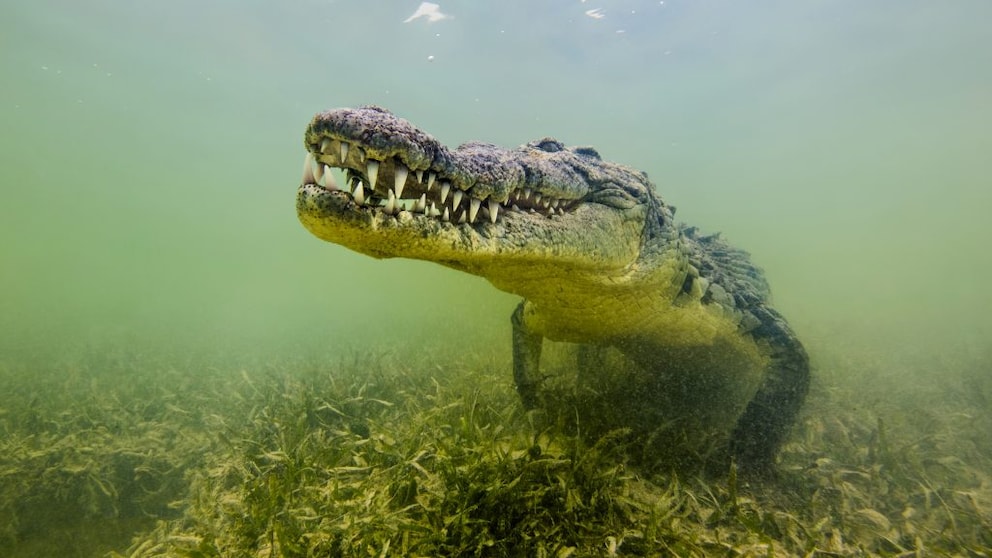
Crocodiles are considered very dangerous but only rank ninth among the world’s deadliest animals. The deadly threat from these reptiles primarily comes from their jaws. With an incredibly strong bite force of up to 1.3 tons, they can easily tear a person in half with one bite.
The saltwater crocodile, at up to five meters long, is the largest and most dangerous. According to statistics from CrocBITE, the Charles Darwin University’s crocodile attack database, about half of all crocodile attacks on humans are attributed to them. Most accidents occur with fishermen in lakes and rivers. Approximately 1,000 people die from crocodile attacks each year.
Rank 10: Venomous Spiders
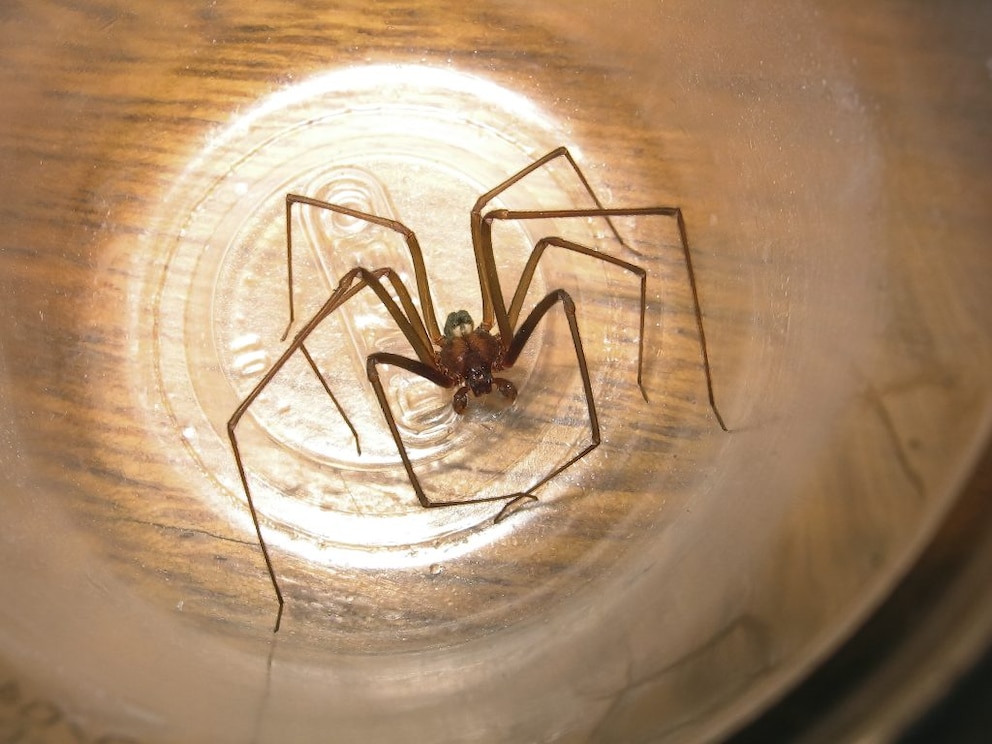
Spiders are almost always creepy but rarely deadly. Nevertheless, these eight-legged creatures make it to the tenth spot in the ranking of the world’s deadliest animals. While all spiders have venom for hunting prey, only species whose venom can be dangerous to humans are generally considered venomous spiders. There are very few: only 25 out of about 30,000 species worldwide!
Among the deadliest spider species are the brown recluse spider (Loxosceles reclusa) in America and the Atrax robustus in Australia. Some representatives of the wandering spiders (Ctenidae) are also considered particularly dangerous–especially the Phoneutria fera species. This spider injects about eight milligrams of venom per bite. Additionally, this species is known to be very aggressive, attacking deliberately when it feels threatened.
The venom effects in spiders vary by species. Usually, in addition to severe pain, paralysis and shortness of breath occur, ultimately leading to death. About 200 people die from spider bites each year, placing these creatures tenth among the world’s deadliest animals.
Rank 11: Box Jellyfish
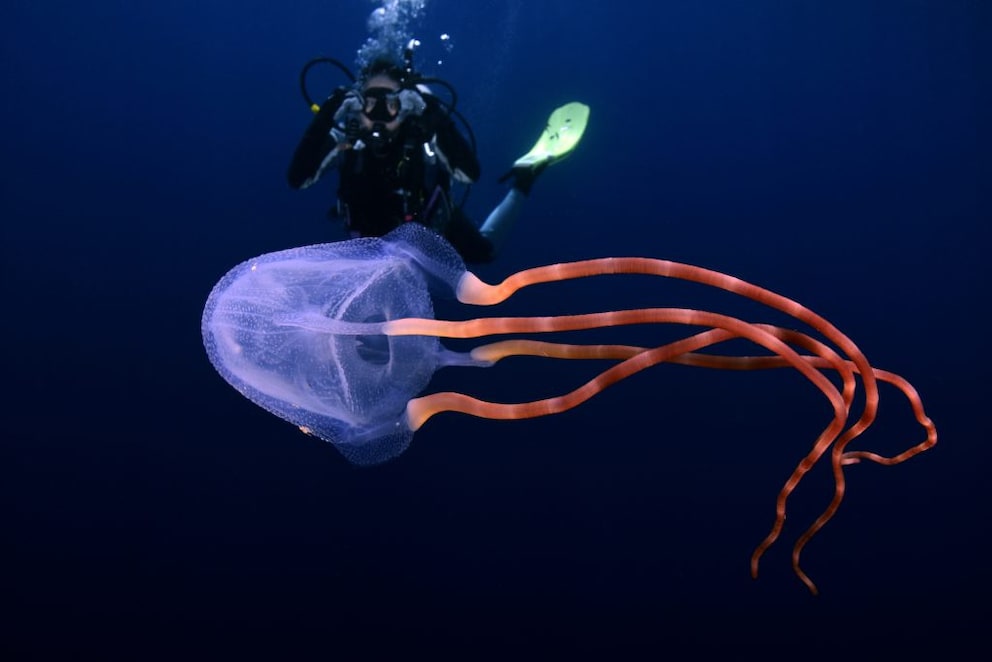
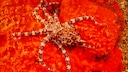
Of course, jellyfish cannot be left out of the ranking, even though they only occupy one of the lower spots among the world’s deadliest animals. Most specimens are harmless, but some jellyfish can cause severe injuries. The box jellyfish (Chironex fleckeri) is truly deadly. It belongs to the cubozoa and is native to the Pacific beaches of northern Australia.
Box jellyfish have a total of 60 tentacles, which they use to catch prey. Since these delicate creatures cannot afford for a prey animal to tear apart in its struggle for survival, the venom must act quickly. Their venom can kill a human within minutes.
The fatal aspect: Jellyfish prefer to stay in shallow, coastal waters. Their tentacles can reach lengths of up to three meters, making accidents with swimmers inevitable. Annually, there are about 150 fatalities. In addition to severe pain, the venom of the box jellyfish causes tissue necrosis. It enters muscles, particularly the heart muscle, and blood vessels through the skin.
This nearly invisible animal is considered the most poisonous in the world.
The Most Poisonous Animals in the World
Rank 12: Elephant and Hippopotamus
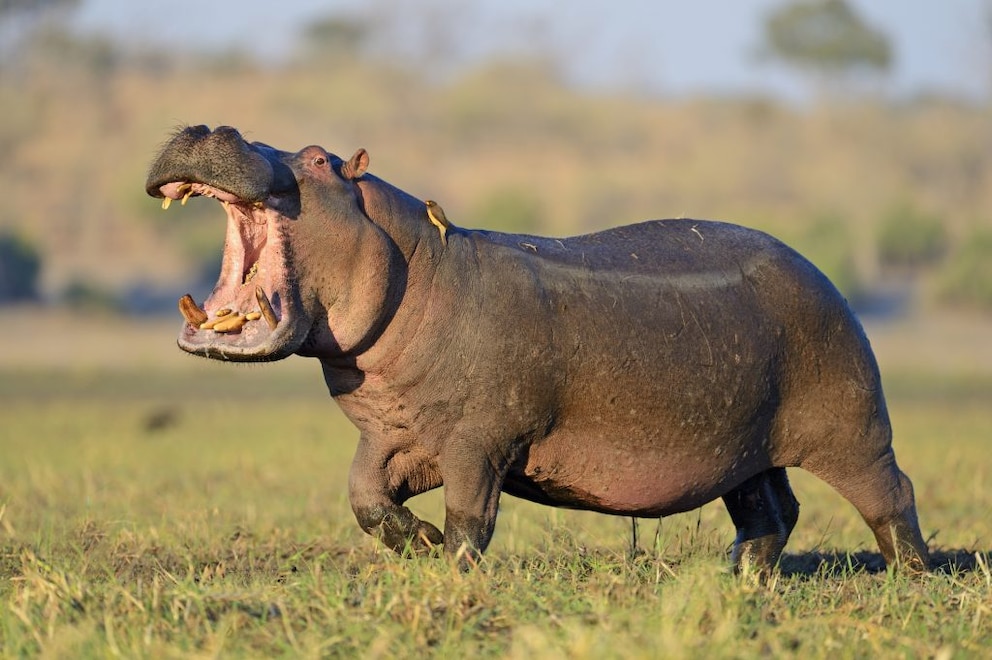
The penultimate spot in the ranking of the world’s deadliest animals is shared by two giants, each responsible for about 100 deaths annually. Hippopotamuses are among Africa’s most dangerous large mammals. Every year, they are responsible for numerous fatal attacks on humans. Weighing up to 1,500 kilograms, these vegetarians spend much time in the water but are easily irritated and quite territorial. Especially in spring, when they have their young, hippos are said to be particularly aggressive. An agitated animal can move surprisingly quickly on land, reaching a top speed of up to 30 km/h. With its massive body and enormous mouth, the hippopotamus becomes a deadly threat to humans.
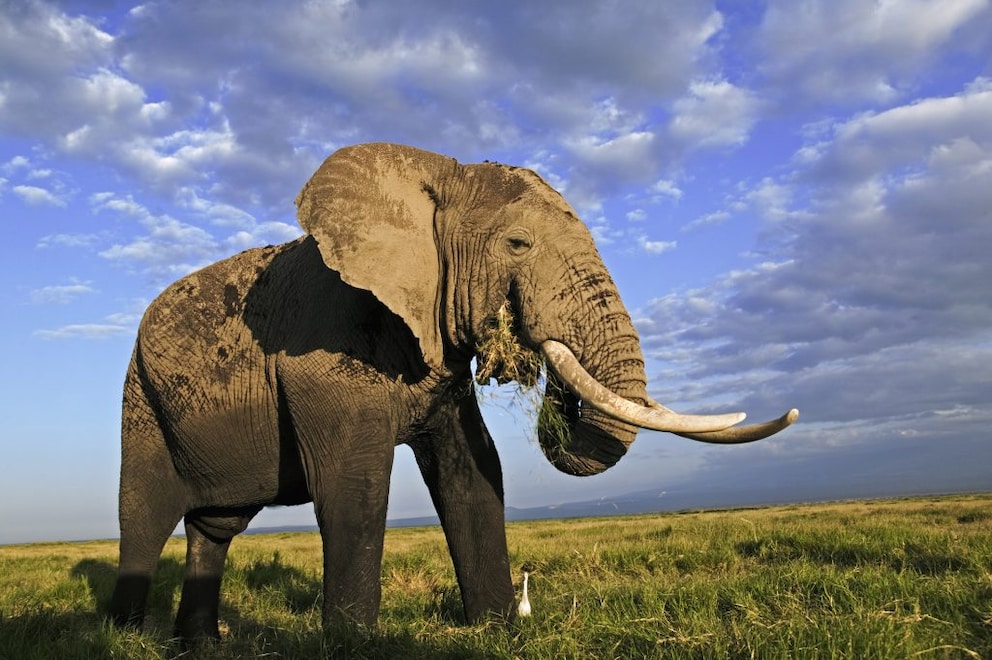
Elephants are no less dangerous. However, fatal accidents occur less in the wild and more in captivity. Known as “gentle giants,” elephants are considered the most dangerous wild animals in human care, according to observations by the European Elephant Group (EEG). Since 1982, statistics show that 40 people have died in 90 known attacks in zoos, with over 50 injured, 20 of them seriously. “In no other industry would such losses among employees be conceivable,” states the EEG’s elephant magazine. It’s primarily their sheer size and associated strength that make them such a safety risk, with bulls being much more dangerous than cows.
Rank 13: Sharks
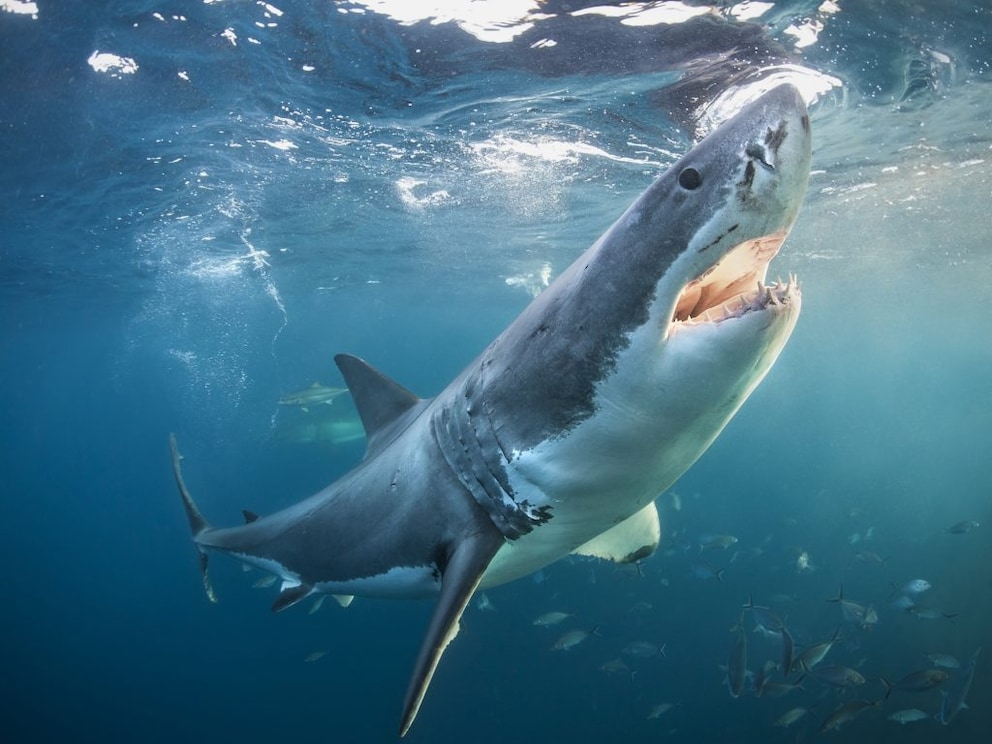
The feared ocean predator only makes it to the last spot in the ranking of the world’s deadliest animals. Theoretically, almost any shark over two meters long can seriously injure a human. However, the animals are generally not interested in humans. According to the International Shark Attack File (ISAF), there are about 80 shark incidents worldwide each year, with only five to ten resulting in fatalities. Most shark incidents involve the great white shark, tiger shark, and bull shark.