

March 16, 2026, 5:21 am | Read time: 4 minutes
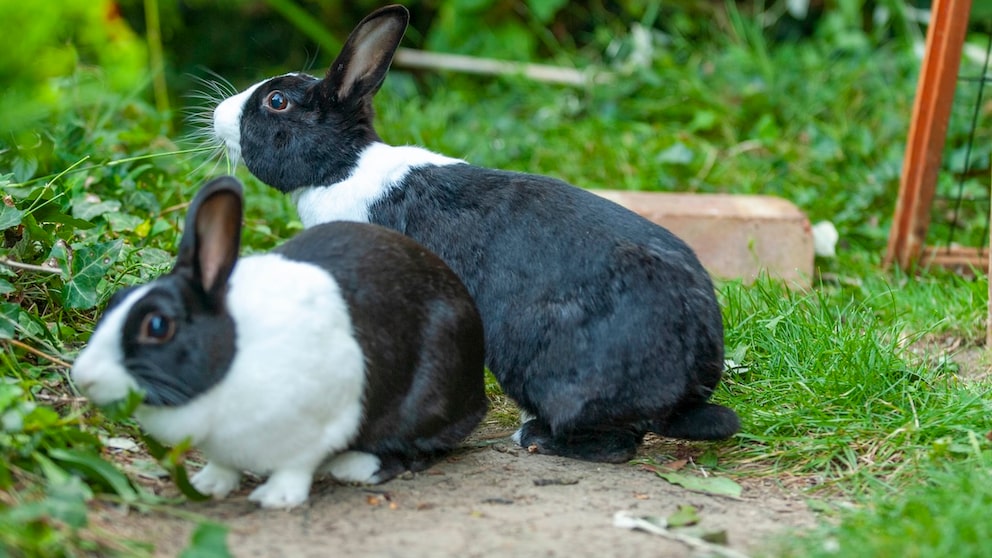
They hop over sticks and stones, nibble on their greens, and snuggle with their fellow rabbits. Rabbit owners know how delightful it can be to watch their pets. Contrary to many everyday myths, rabbits—whether large or small—are not cuddly toys. If owners understand what is important in caring for them, they can share surprisingly many years with their beloved pets. PETBOOK reveals what matters.
How Old Can Rabbits Get?
It’s not that simple to answer. As with all other living beings, it depends on the living conditions and the breed whether an animal really gets old or dies prematurely. In pet care, rabbits can live between five and ten years. In some cases, rabbits can live significantly longer.
Exactly how old is shown by the rabbit Flopsy, which made it into the Guinness Book of Records with its age. At 18 years and almost 11 months, the rabbit remains the oldest ever living rabbit to this day. 1, 2
What Affects the Life Expectancy of Rabbits?
Keeping rabbits is far more effort than many initially think. From solitary confinement to pure cage keeping to dry food diets, many persistent care mistakes have long been prevalent in rabbit care. Unfortunately, these are exactly the issues that can massively influence the life expectancy of these small animals. So what is important when it comes to how old rabbits can get? 3
One of the biggest topics in proper rabbit care is nutrition. Rabbits are often fed incorrectly and receive more dry food or sugary snacks instead of plenty of greens. Besides the right food, the type of housing also plays a significant role. Many owners still believe that a small cage with occasional free run is sufficient. Equally widespread is the myth that a rabbit can be kept just as well with a guinea pig as with another rabbit.
Lots of Greens and Little Dry Food—the Right Diet
Rabbits are herbivores, meaning they are plant eaters. Their diet should include plenty of greens and hay. Even though grain-containing mueslis are often found in stores, they do not belong on a rabbit’s menu. In addition to the daily need for grasses and hay, a small amount of fruit or vegetables can also be fed. Care should be taken regarding possible intolerances and sugar content.
These plants are suitable for feeding rabbits:
- Dandelion
- Marigold
- Sunflowers
- Willow leaves
- Clover (red clover and white clover)
- Daisies
- Parsley
- Dill
- Oregano
- Chamomile
If you want to learn more about non-toxic plants for rabbits, check here.
Do Guinea Pigs and Rabbits Really Get Stomachaches from Wet Grass?
Why Rabbits Should Never Be Given Hard Bread
How Do I Know My Rabbit is Getting Old?
When first thinking of rabbits, many probably imagine an active, grass-nibbling animal. Does an old rabbit become more inactive, as is known from other animals? In fact, it’s not so easy to determine a rabbit’s age. But those who look closely will notice some signs of an older animal:
- The rabbit becomes slimmer and loses some normal weight
- Muscle loss in the legs and spine
- Individual white hairs in dark rabbits 4
However, such symptoms can also indicate typical rabbit diseases. Many veterinarians therefore recommend regularly weighing the animal to notice changes more quickly. Additionally, older animals should visit the vet more often for routine check-ups.
How Do I Adapt My Home for an Old Rabbit?
From about six years old, rabbits are considered seniors. From this age, age-related ailments or diseases such as arthritis or vision problems often begin. Owners notice in such cases that their animals are not as agile as they used to be. It often helps to ensure their exercise areas and resting places are as barrier-free as possible. Slightly inclined boards can serve well as ramps.
It is equally important to monitor temperature regulation. When older animals lose muscle and fat mass, they usually react more sensitively than usual. Owners should now pay more attention to maintaining constant temperatures, especially in winter.