

February 8, 2026, 2:51 pm | Read time: 7 minutes
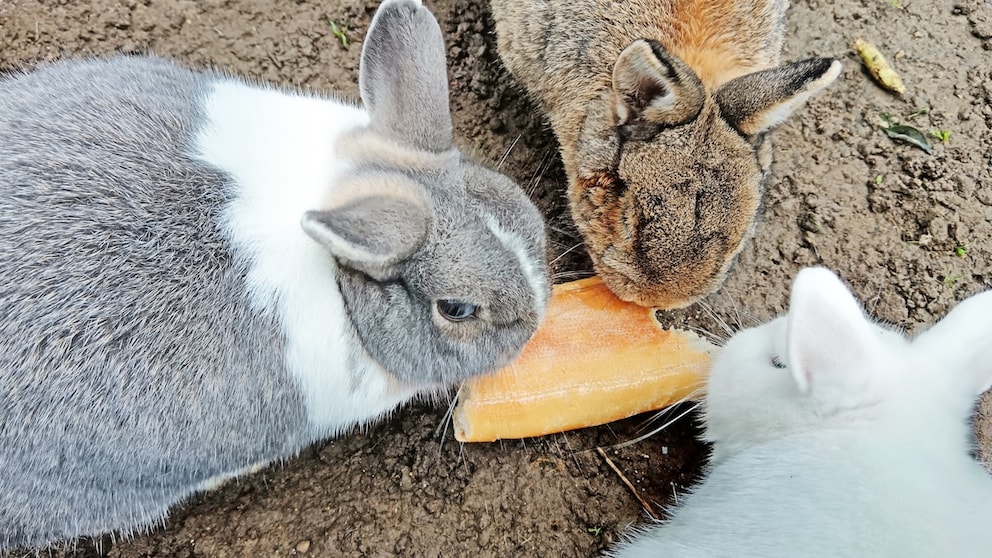
Rabbits may seem low-maintenance at first glance, but that’s precisely where the danger lies: Few pets are as often improperly housed and fed. One of the most persistent misconceptions concerns dental care—with sometimes fatal consequences. Bread, considered a harmless snack by many owners, can seriously harm rabbits and, in the worst case, even be life-threatening. PETBOOK explains why bread is not suitable for rabbit dental wear and why feeding grains is not appropriate for these animals.
Overview
How Does Dental Wear Work in Rabbits?
Dental wear in rabbits is not caused by hardness but by long, consistent chewing movements with fiber-rich food. Rabbit teeth are hypsodont teeth, meaning they grow continuously throughout their lives—both incisors and molars. When eating grasses and hay, rabbits make lateral grinding movements, where the upper and lower jaw teeth continuously rub against each other. The rough plant fibers act like fine sandpaper, ensuring natural, even wear on all tooth surfaces.
The optimal food for rabbits is fresh greens in the form of various grasses. Fiber-rich grass forms the basis of a healthy diet and should always be available in large quantities. As they eat, the teeth rub against each other, preventing uncontrolled tooth growth and misalignments. Alternatively, if fresh greens are not available, high-quality hay can be offered to the animals.
With a fiber-poor diet lacking sufficient wear, excessive tooth growth and misalignments can occur. The unwanted consequence: Food intake no longer functions optimally, and the food cannot be adequately broken down. Ultimately, the animals may partially or completely stop eating due to pain—with dramatic consequences for the rabbit.
Hard foods like bread, pellets, or chew sticks do not fulfill this function: They are usually crushed with a few vertical biting movements, without triggering the necessary lateral grinding movements. As a result, especially the molars remain insufficiently worn down—with the risk of tooth spurs, misalignments, and painful injuries in the mouth.
Can Hard Bread Support Dental Wear in Rabbits?
A clear answer: No, dried bread is not suitable for the dental wear of the animals! Not only is dry bread unhealthy for rabbits, but the teeth also crumble and grind the hard bread without wearing down or being trimmed. But the lack of dental wear is not the only problem. Bread, when fed regularly and especially in large quantities, can lead to massive health problems in rabbits!
Accordingly, not only bread but grains in general are entirely unsuitable for the animals. While rabbits are herbivores, they are not grain eaters. The starch contained cannot be digested by the animals. If larger amounts of carbohydrates like starch enter the digestive tract, the stomach contents begin to ferment, burdening the stomach and intestines of the animals. 1
Old bread poses an additional, often underestimated risk. It can be moldy or have a greenish tint—even when the mold is not yet clearly visible to the human eye. Mold fungi produce toxic metabolic products (mycotoxins) that are highly dangerous for rabbits. Due to their sensitive digestive systems, even small amounts of mold-contaminated food can lead to severe poisoning, massive gastrointestinal disorders, liver damage, or, in the worst case, death.
Particularly insidious: Dried or hardened bread is often mistakenly considered “durable” by owners. In reality, however, it provides an ideal breeding ground for mold fungi, especially when stored improperly. Old bread is never a harmless snack but poses a serious health risk for rabbits.
What Happens to Rabbits That Regularly Eat Bread?
A small piece of dry bread (accidentally offered) will likely cause no harm, but it should remain an exception. Families with children, in particular, must explain to their kids why bread, as well as grain- or even sugar-containing treats, are off-limits. Otherwise, there is a risk that children will “treat” their pet with unsuitable food when unsupervised.
To feed their pet appropriately, pet owners should always look to nature. Wild rabbits and hares do not eat grains in the wild but primarily fiber-rich greens like herbs, leafy greens, dandelions, and grasses. Unfortunately, numerous grain-containing feed mixes, chew sticks, and other treats—for example, mixed with other unsuitable ingredients like honey and milk à la yogurt drops—are still offered!
Nevertheless, grain is used in rabbit fattening because it provides an extra portion of carbohydrates. However, much more than is healthy for the animals. The fact that the active stall residents can hardly move in narrow, dark cages and lead a bleak life behind bars increases weight gain–and brings more money to the rabbit fatteners. All in all, rabbit fattening is clearly animal cruelty and should not be a model for feeding one’s pets.
Grain-containing food and bread are therefore taboo for rabbits! Otherwise, there is a risk of the rabbit being overweight or even obese. These can, in turn, lead to further health problems such as diabetes, cardiovascular diseases, liver dysfunction, etc.2

The 7 Most Common Diseases in Guinea Pigs
Exposing the Biggest Pet Food Myths
Further Risks of Bread and Improper Rabbit Nutrition
Grains and bread pose another danger that often ends fatally. Veterinarians can attest to this. While kidney diseases are prevalent in cats and back problems in dog breeds like dachshunds, rabbits most often die from digestive disorders. Another common visit to the vet: dental problems!
If rabbits are not fed appropriately or are given grain-containing food—or do not have the opportunity to nibble on small portions of hay day and night—their sensitive digestive tract can come to a halt. Diet-induced abdominal pain, bloating, painful cramps, stomach overload, and diarrhea are life-threatening. The sad consequence: Just one day without food or feeding larger amounts of grain can lead to the rabbit’s death! Regular feeding of bread and grains can also lead to stomach ulcers.
In addition to insufficient food breakdown and pain while chewing, inflammation can also occur if the overly long teeth dig into the oral cavity or gums. If the dental misalignment goes unnoticed for a long time, it may be necessary to operate on rabbits due to abscesses. A surgical procedure, where the veterinarian trims the teeth with special pliers, is unavoidable and sometimes must be performed under general anesthesia.
How to Avoid Improper Nutrition in Rabbits?
To avoid the risks of improper nutrition in rabbits, pet owners must thoroughly inform themselves about appropriate feeding before acquiring a rabbit! Both dental issues and digestive problems are mostly due to the owner’s ignorance!
Rabbits rely on large amounts of greens not only for the health of their teeth: To keep their digestive function from halting, the animals eat tiny portions almost continuously throughout the day. While fresh foods like grasses, herbs, and low-starch vegetables provide the small rodents with valuable macronutrients, micronutrients, and energy about twice a day, a constant supply of grasses or hay supports healthy digestion and dental wear.
Since dried grass forms the basis of a healthy rabbit diet, one should pay attention to high-quality when purchasing. Instead of dusty, grayish, cheap products, aromatic, green hay varieties—preferably organic quality mixed with herbs—are preferable. Since appropriate rabbit keeping requires at least two animals, hay is needed in large quantities. Accordingly, bulk packages that can be ordered directly from farmers or online are suitable. Another plus: If hay is sustainably shipped in cardboard boxes without plastic, it also benefits the environment.

Anything but Low-Maintenance
“As a rabbit owner, I’ve often blamed myself for making mistakes in feeding my animals, with sad outcomes. The reasons were, surprise, mostly digestive problems. My rabbit Thumper also had dental issues, which were genetically determined. For these reasons, it’s so important to me to raise awareness that rabbits are anything but low-maintenance—and that expertise is crucial for a happy, long rabbit life!” (Dipl. oec. troph. Beke Enderstein)