

September 25, 2026, 3:05 pm | Read time: 4 minutes
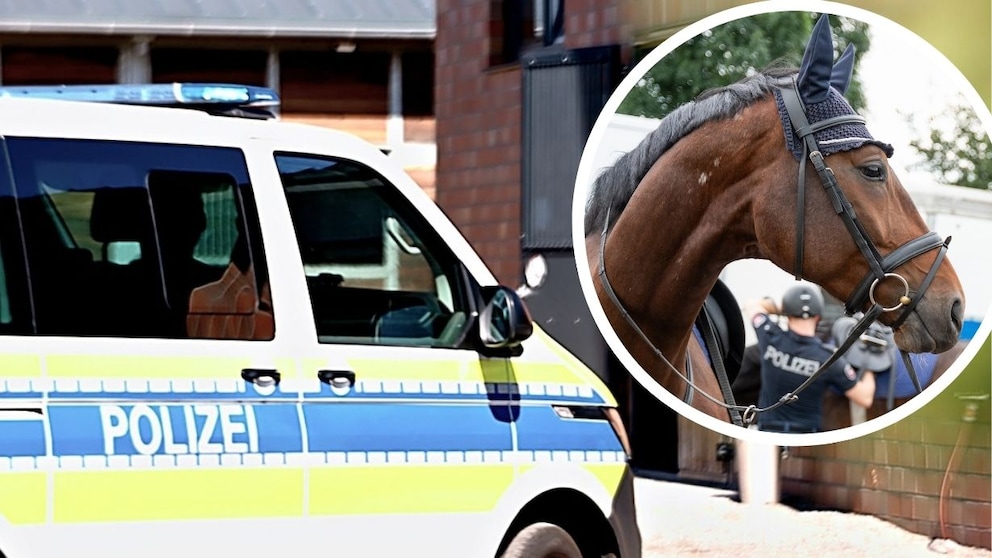
For more than a year, police horse “Rabauke” suffered from recurring eye inflammations. When medications didn’t provide lasting relief, the gelding had to undergo surgery on both eyes. Veterinarian Dr. Kirstin Brandt from the Hanseklinik for Horses explains in an interview with PETBOOK how dangerous the condition was and how Rabauke’s eyesight is today.
Recurring Inflammations Troubled Rabauke
For over a year, Rabauke repeatedly suffered from bouts of eye inflammation. “The inside of the eye became cloudy and the pupil constricted,” explains the attending veterinarian Dr. Kirstin Brandt from the Hanseklinik for Horses. The condition kept recurring and caused the gelding pain.
Initially, the veterinarians tried to manage the symptoms with medication. Anti-inflammatory eye ointments, special eye drops, and other medications were used. While the treatments alleviated the symptoms, Brandt says, “they did not cure the disease itself.” The inflammations kept returning.
This also had consequences for the mounted police unit. During his illness, Rabauke could not be deployed. Because there was a risk that his vision could be permanently impaired, the police, together with the attending veterinarians, eventually decided on surgery.
The Most Common Cause of Blindness in Horses
The diagnosis was: Equine recurrent uveitis, better known as periodic eye inflammation. It is the most common eye disease in horses. “The disease is widespread worldwide and the most common cause of blindness in horses,” Dr. Brandt explains. Affected animals suffer from recurring bouts of inflammation inside the eye, which, if untreated, can permanently damage vision.
This can be particularly problematic for horses. “Any eye disease that impairs vision represents an absolute restriction of general well-being,” the veterinarian explains. Additionally, the disease causes pain.
Why Good Vision Is Especially Important for Horses
Preserving Rabauke’s eyesight was important not only for his work as a police horse. “Any eye disease that impairs vision represents an absolute restriction of general well-being,” explains Dr. Kirstin Brandt. Additionally, periodic eye inflammation is painful for the animals.
Also interesting: What’s behind the mysterious whistling sound of horses
This is particularly critical for horses because they are flight animals. “When they are startled or something unexpected happens, they follow their instincts and flee,” says the veterinarian. “If they can’t see the obstacles in their path, it poses an increased risk of injury to the horse itself, but also to anyone nearby,” Dr. Brandt adds. Especially for a service horse that is regularly on duty, unrestricted vision plays a particularly important role.

Glaucoma in Dogs: How to Recognize Early Symptoms
Signs, diagnosis, and treatment of cataracts in dogs
Surgery on Both Eyes
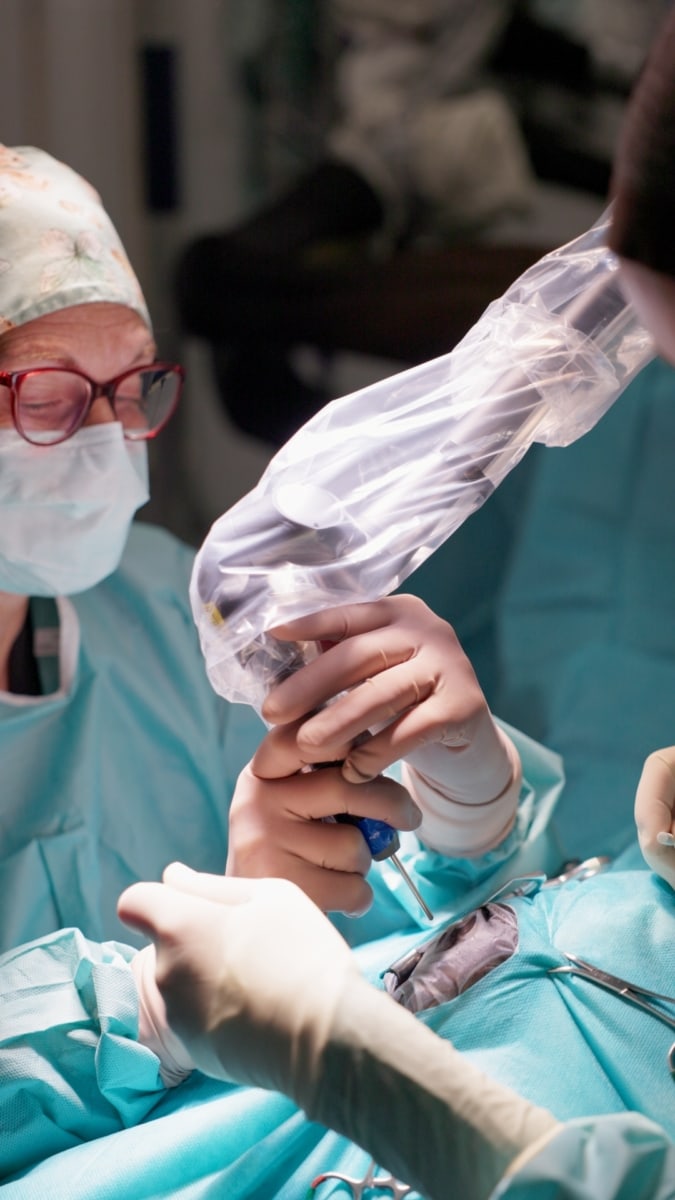
After previous treatments failed to bring lasting improvement, the veterinarians opted for a procedure called vitrectomy. “In this surgery, part of the inner eye, specifically the vitreous body, is flushed out,” explains Dr. Kirstin Brandt from the Hanseklinik for Horses.
Like any surgery under general anesthesia, this procedure carries risks. “Of course, there is the risk of general anesthesia, and complications such as bleeding or infections can occur,” says the veterinarian. However, such complications are “extremely rare” overall.
Also interesting: How this horse fooled everyone
The prospects for success are high. The primary goal is to permanently stop the recurring pain. “We have a success rate of around 95 percent, maybe even a bit higher,” says Brandt.
Additionally, the surgery aims to preserve the animals’ vision. Whether this is successful depends on how severely the eyes are already damaged.
Today Rabauke Is Back on Duty
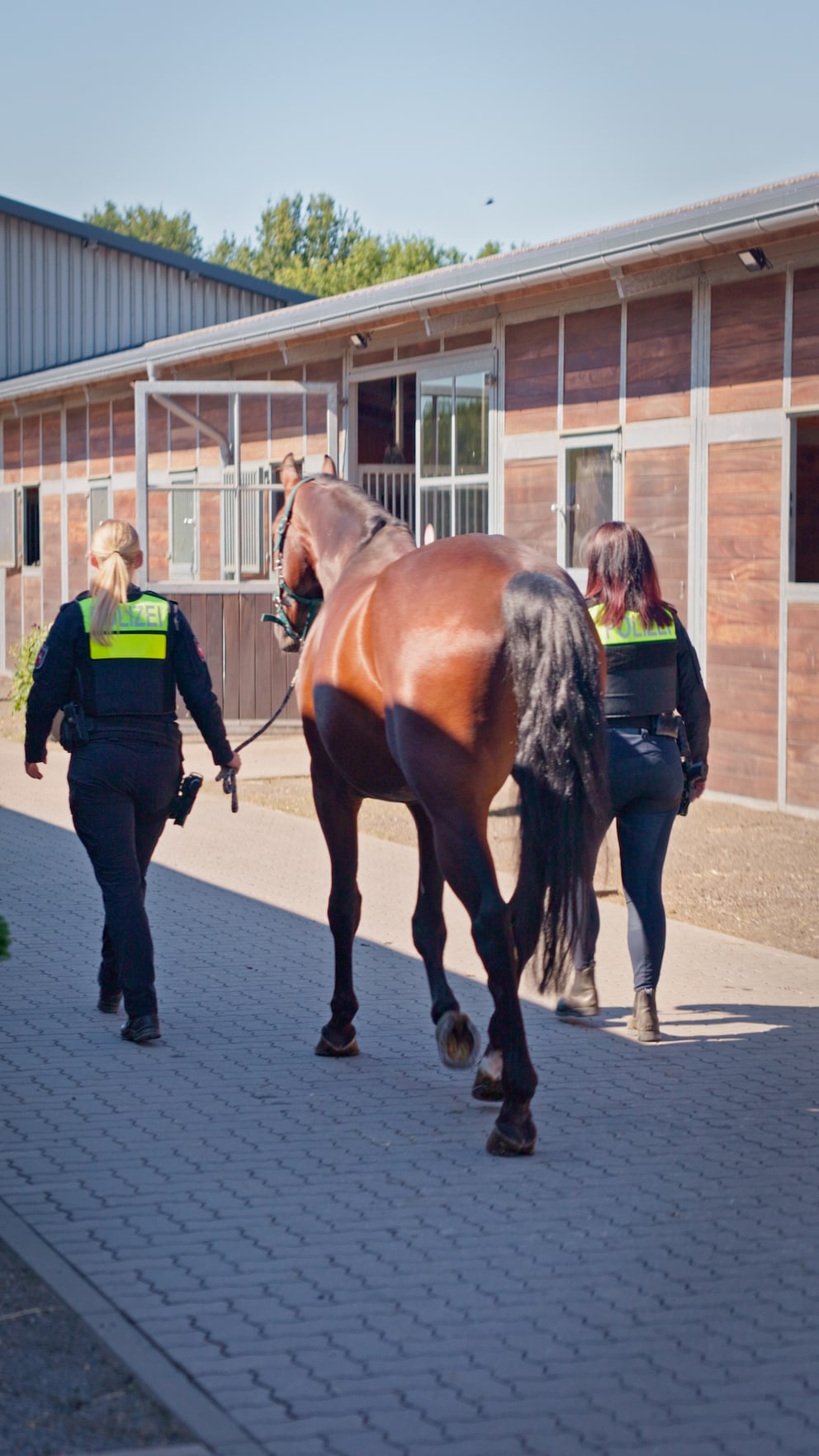
In Rabauke’s case, the treatment was successful. According to the Braunschweig police, the service horse has now fully recovered and is back in action.
The mounted unit is once again deploying the gelding for their various tasks. These include patrol rides as well as assignments at soccer games and demonstrations. In the summer months, the unit also supports nature reserves such as the Lower Saxon Elbe Valley or the Südheide Nature Park.