

August 18, 2025, 9:15 am | Read time: 5 minutes
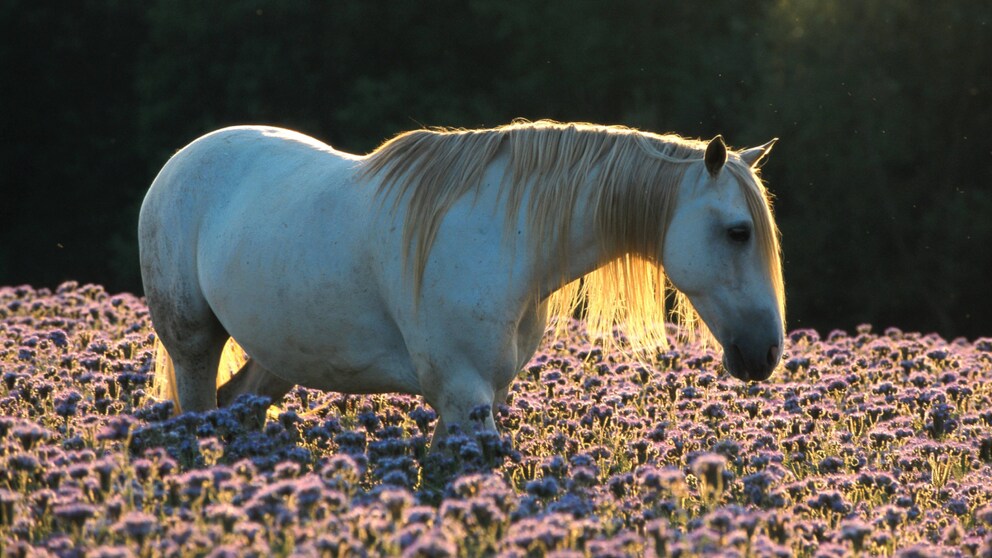
Few horse breeds combine as much history, expressiveness, and closeness to humans as the Barb, also referred to as the Berber. This baroque riding horse from North Africa impresses with its powerful stature, high intelligence, and remarkable nerve strength. A look into their past reveals why these noble animals are still valued today for their loyalty, willingness to work, and versatility.
Origin
The Barb is one of the oldest horse breeds in the world. More than 4,000 years ago, it was bred in the regions of present-day Algeria, Morocco, and Tunisia. Its origins are closely linked to the nomadic Berber people, after whom the breed is named. These horses lived closely with humans and were indispensable in daily life, serving as pack animals, riding horses, and in warfare.
Their courage and agility made the Barbs feared warhorses. Historical records show their use by Hannibal during his campaign against Rome. The animals also played a central role in Fantasias, traditional equestrian games that are now considered intangible cultural heritage of North Africa.
Over the centuries, the Barb became known in Europe—both as a luxury horse and for refining European breeds. Purebred Barbs have become rare today; an estimated 2,500 purebred specimens exist worldwide. In Europe, particularly in France and Germany, breeding associations are now working to preserve this traditional breed.
Appearance
The Barb is a compact, strong horse of the baroque type with a harmonious, elegant presence. Its height typically ranges between 150 and 160 cm, although some sources indicate a range of 142 to 152 cm. It is characterized by a stable, well-muscled body with a pronounced chest and a short, sturdy back. The withers are prominent, while the croup is round and slightly sloping.
Characteristic is the medium-sized head with a convex profile line, also known as a Roman nose. The strong, short neck transitions into a stable shoulder. This anatomy gives the Barb its typical baroque horse presence. The movements are lively, with high knee action, which is particularly evident in dressage and show performances.
Regarding coat colors, about 80% are gray. Additionally, there are bays, blacks, and occasionally chestnuts. The coat is moderately dense, without feathering on the fetlocks, which makes grooming easier.
Character & Temperament
Barbs are considered particularly human-oriented—a trait stemming from their close association with North African nomads. This closeness has created a deep trust that is still reflected in their behavior today. They are loyal, balanced, and brave—often described as “reliable horses.”
Their intelligence and playfulness make them eager learners. At the same time, they possess a lively temperament, which is well balanced by their nerve strength. In handling, they are sensitive and attentive, making them ideal companions for experienced riders.
Gait & Discipline
The Barb’s gait can be described as expansive. It masters the three basic gaits very well—especially its “rocking horse” canter, which makes it easy for even beginners to sit.
Their versatility is evident in numerous disciplines: Whether as a distance horse, in dressage, at shows, or in the field—the Barb adapts flexibly and impresses with surefootedness and elegance.
The training of a Barb benefits greatly from its natural eagerness to learn and attentiveness. Even as foals, they are curious, not easily startled, and ready to explore new situations. This openness facilitates acclimation to environmental stimuli and makes them reliable leisure partners.
Training should be varied and creative, as Barbs quickly become underchallenged. They love gymnastic work, quick reactions, and tasks that challenge their intelligence—such as circus tricks or dressage lessons. Consistency, patience, and a close bond are key to successful training.
Proper Care & Maintenance
Barbs are robust horses with high adaptability but require horse-friendly care. An open stable with plenty of freedom of movement is ideal, as they need to be physically and mentally engaged. Contact with humans and other horses is particularly important to them.
Thanks to their easy-care coat and lack of feathering, Barbs are simple to maintain. Regular coat care before training sessions, hoof checks, and veterinary care form the basis for a healthy life, as with all horses. A close human-animal bond also contributes to their well-being.
Nutrition
The Barb originates from barren, dry regions and is accordingly frugal. It is considered a light-feeding horse, where quality is more important than quantity. Good quality hay forms the basis of feeding. Supplementary feed should only be used selectively and in small amounts—such as during increased athletic activity.
Overfeeding can quickly lead to obesity in this breed. Therefore, an individually tailored feeding plan considering exercise and body condition is crucial for maintaining health.
What Makes the American Quarter Horse the Most Popular Breed in the World

Andalusians: Proud Spaniards with Fire and Grace
Susceptibility to Certain Diseases
The Barb is considered an extremely resilient and healthy horse breed. It has a stable foundation, good body balance, and pronounced surefootedness. Breed-specific diseases are not known. Its life expectancy is between 25 and 35 years.
Despite its robustness, regular preventive examinations, hoof care, vaccinations, and deworming are essential for this breed. Appropriate care and needs-based feeding significantly contribute to maintaining its health.
The Barb at a Glance
- Character: human-oriented, brave, balanced, eager to learn
- Height: approx. 150–160 cm (sometimes 142–152 cm, depending on the source)
- Type: Thoroughbred, baroque riding horse type
- Coat color: moderately dense long hair coat, mostly gray, also bays, blacks, rarely chestnuts
- Gait: lively, with high knee action, elegant
- Discipline: leisure, distance, and show horse, dressage, and field
- Special features: very surefooted, loyal, willing to perform, hardly susceptible to disease