

July 25, 2025, 9:01 am | Read time: 5 minutes
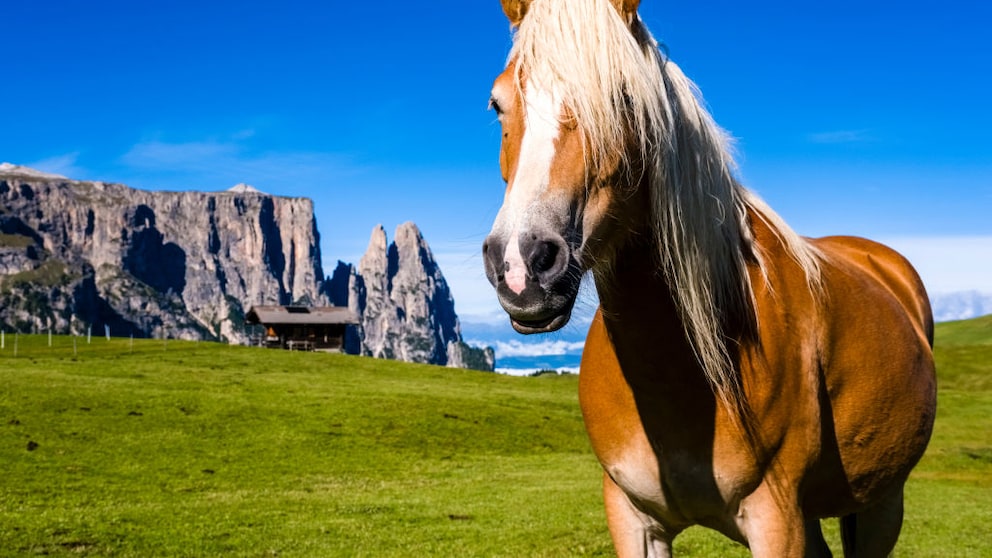
Whether on an alpine meadow in South Tyrol or in front of a carriage at a leisure tournament, the Haflinger stands out–with its golden chestnut coat and light mane, it is unmistakable. But its charming appearance is only part of its appeal. This versatile, intelligent small horse impresses with surefootedness, robustness, and a remarkably friendly nature. Discover here why the Haflinger has evolved from a rural workhorse to a modern all-rounder.
Origin
The Haflinger’s origin lies in the South Tyrolean Alps, specifically in the village of Hafling near Merano. In 1873, the golden chestnut stallion foal “249 Folie” was born there–the progenitor of all Haflingers. He was the result of a cross between a local mare and an Arabian stallion. The goal was a light, surefooted mountain horse. The breeding successes exceeded expectations: “Folie” was used for breeding himself, and his descendants spread worldwide.
The political division of Tyrol after World War I posed challenges for breeding. South Tyrol became part of Italy, but Haflinger breeding continued in both North and South Tyrol. In the 1920s, breeding organizations were established on both sides of the border. Demand increased, especially in the 1930s, when armies used Haflingers as pack animals.
After World War II, breeding experienced another boom. The Haflinger Horse Breeding Association of Tyrol played a significant role in establishing the breed internationally. Originally heavily influenced by Arabian blood, the foreign blood percentage was later reduced to solidify the purebred Haflinger. Today, there are seven bloodlines, with the Anselmo (A) and Nibbio (N) lines being particularly well-known. There are now around 250,000 Haflingers worldwide.
Appearance & Coat
The Haflinger is a medium-sized small horse with a height of about 1.38 to 1.50 meters. Its appearance is harmonious and strong at the same time–with a rectangular body, good musculature, and a strikingly typical expression. The head is dry, distinctive, with large, lively eyes, mobile ears, and broad nostrils. The neck should be medium-length, pyramid-shaped, and well-set, with a clearly defined withers and a strong back. The croup is muscular, slightly sloping, and broad.
The Haflinger’s coat color is characteristic: it appears exclusively as chestnut with shades from light to dark chestnut. The so-called golden chestnut with light mane is particularly sought after–mane and tail are usually silky, smooth, and almost white. The “mealy mouth,” a lighter area around the nostrils, as well as lighter belly and inner leg areas, are typical features. Roan hairs or markings on the legs are considered undesirable. The foundation is dry, with clear joints, correct limb structure, stable hooves, and strong pasterns–all of which give the Haflinger endurance and surefootedness.
Temperament
The Haflinger is considered strong-nerved, intelligent, and eager to learn. Its nature is friendly, people-oriented, and balanced, making it an excellent leisure and family horse. Despite its good-naturedness, it is not purely a beginner’s horse–its willpower and perceptiveness require consistent, fair leadership. Those who provide this will have a reliable, motivated horse with a strong willingness to perform.
Haflingers show enthusiasm in various disciplines: whether in riding schools, on trails, in therapeutic settings, or in front of a carriage. Their fearlessness makes them ideal partners for trail riding, trekking tours, or Western riding. In leisure activities, the Haflinger shines as a reliable, surefooted all-rounder with a strong connection to people and high resilience.
Training
Training a Haflinger should begin early, patiently, and consistently. Even foals can be playfully accustomed to halter training, hoof care, and initial groundwork. In young horse training, varied, mentally challenging work is essential, as the animals are intelligent and easily bored. Consistency is key here–the Haflinger tests boundaries but accepts clear, fair rules.
Since Haflingers are late developers, they should not be physically burdened too early. Well-trained Haflingers are, however, teachable, strong-nerved, and friendly in handling–qualities that make them ideal school and leisure horses. For beginners, regular corrective riding by experienced riders is recommended to ensure a reliable riding horse in the long term.
Proper Care & Maintenance
Haflingers are very robust and frugal horses. They thrive in open stable conditions with free access to pasture or paddock but need protection from moisture, extreme heat, and drafts. Their social nature makes them typical herd animals–individual housing should be avoided.
Coat care for the Haflinger is relatively straightforward, but due to the light mane, regular brushing is recommended, especially for the mane and tail. Hoof care is also essential, as their strong foundation requires regular inspection and professional treatment. For mental stimulation, varied tasks are important–whether lunging, on trail rides, or during terrain training.
Nutrition
As an easy-to-feed breed, the Haflinger requires a tailored, fiber-rich diet. High-quality hay forms the basis, supplemented by appropriate mineral feed. Concentrated feed should–if at all–be used sparingly. Especially protein- and sugar-rich feed components should be avoided, as Haflingers are sensitive to overfeeding.
Regular weight checks and exercise are essential to prevent diet-related problems. A structured feeding plan with several small portions throughout the day is also important to keep the digestive system balanced.

Why the Barb Is the Oldest Horse Breed in the World
What Makes the American Quarter Horse the Most Popular Breed in the World
Susceptibility to Certain Diseases
Typical health issues in Haflingers are often related to their easy-to-feed nature. Overweight can lead to joint problems, metabolic disorders, and particularly laminitis–an inflammatory disease of the hoof’s sensitive laminae, which can be life-threatening in severe cases.
Prevention requires strictly controlled feeding and sufficient exercise. Additionally, some lines are prone to eczema or mud fever, necessitating regular skin and coat care. Routine veterinary check-ups help identify risks early and take targeted countermeasures. Generally, however, the Haflinger is considered long-lived and resilient–with good care, many animals reach an age of over 25 years.
The Haflinger at a Glance
- Size: 138–150 cm height
- Coat Color: Golden to light chestnut with light mane
- Type: Strong, medium-sized small horse (pony size)
- Character: Friendly, strong-willed, intelligent
- Special Features: Easy to feed, surefooted, versatile
- Suitability: Leisure, driving, therapy, and trail riding horse
- Care Needs: Moderate, regular hoof and coat care required