

September 7, 2026, 7:03 am | Read time: 5 minutes
The Šarplaninac is not a dog for everyone. This imposing livestock guardian dog from the mountainous regions of the former Yugoslavia was bred over centuries to independently protect herds from wolves and other threats. To this day, courage, independence, and a strong protective instinct define its character. Those who provide it with ample space, clear leadership, and a meaningful task will gain a loyal companion with an impressive personality.
Origin
The Šarplaninac–also known as the Yugoslavian Shepherd Dog or formerly as the Illyrian Shepherd Dog–originates from the mountain regions of the Šar-Planina range, which spans North Macedonia, Kosovo, and parts of Serbia. This geographical origin not only gave the breed its name but also its resilient nature. Since the early 19th century, the Šarplaninac has served as a tireless guardian of sheep and cattle herds there. Often left to its own devices for days, it had to make independent decisions and defend its herd against predators like wolves and bears.
The Fédération Cynologique Internationale (FCI) initially recognized the breed in 1939 under the name “Illyrian Shepherd Dog.” In 1956, it was officially renamed “Yugoslavian Shepherd Dog–Šarplaninac.” Even today, it is traditionally used in its homeland as a guard, protection, and military dog. Outside the Balkans, however, it is rarely found and is almost exclusively kept by enthusiasts with experience in livestock guardian dogs.
Appearance & Coat
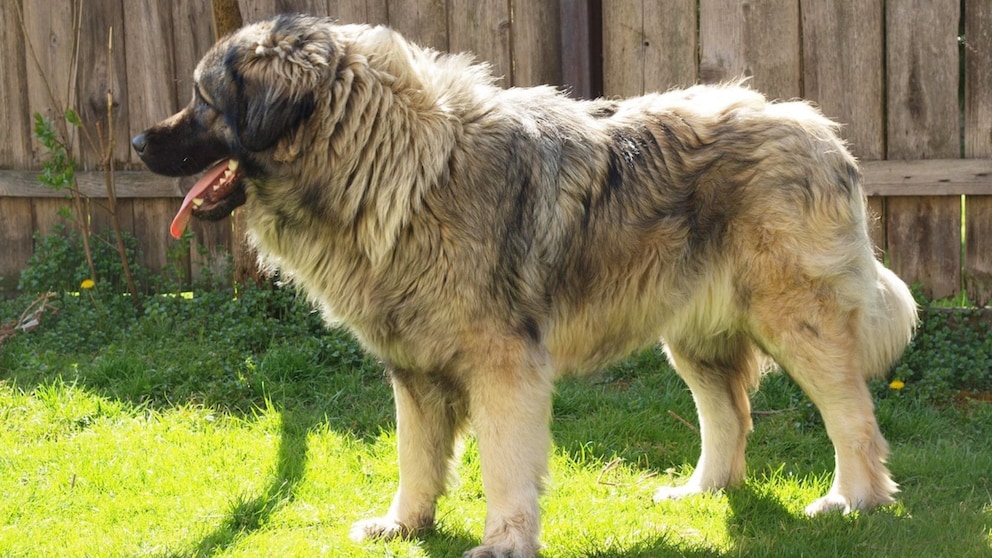
The Šarplaninac is a large, powerfully built dog with a robust, well-proportioned body and strong bone structure. Males reach an average height of 62 cm at the withers, females about 58 cm–though some can be up to 70 cm tall. The weight ranges from 35 to 45 kg for males and 30 to 40 kg for females.
Its distinctive head is broad, with a straight muzzle and almond-shaped brown eyes that convey a calm, watchful expression. The v-shaped, hanging ears lie close to the head and are covered with short hair. The long, saber-shaped tail reaches at least to the hock.
The dense, weather-resistant coat consists of long guard hair and a very dense undercoat. The head, forelegs, and ears are covered with shorter hair, while the body, neck, and hind legs are covered with long, almost flat-lying fur. All solid colors from white to straw yellow, gray, brown to almost black are allowed. Preferred colors are iron gray and dark gray. The coat color is most intense on the body and head and becomes lighter on the lower limbs. Light shading and a mask are permissible, but the coat should not appear spotted.
Character & Temperament
As a classic livestock guardian dog, the Šarplaninac combines independence, courage, and territorial vigilance. Originally bred to independently protect herds from predators, it is highly self-reliant and decisive. It is considered attentive, willing to work, fearless, and reliable–qualities that also distinguish it as a guard and police dog.
It shows loyalty, calmness, and good-naturedness towards its family when its needs are met. With early socialization, the Šarplaninac usually gets along well with older children. However, it approaches strangers and other animals with great suspicion. Its tendency to bark and its presence can be intimidating to outsiders–it is not naturally aggressive but rather dominant and security-oriented.
Training
Training a Šarplaninac requires experience, patience, and clear, consistent leadership. The dog tends to critically question commands–a reflection of its high intelligence and independence. Drills, repetitions, and rigid methods have little effect. Instead, calm consistency, firm rules, and a trusting bond are needed. Harshness or leniency, on the other hand, lead to undesirable behavior. The breed is entirely unsuitable for beginners. Early socialization, clear role distribution, and engagement are essential for harmonious coexistence.
Proper Care & Maintenance
The Šarplaninac needs an environment where it can fulfill its protective role–ideally a large, fenced property or a farm. The Šarplaninac needs plenty of space and feels much more comfortable in the countryside than in a city apartment. It requires a lot of space, tranquility, and the opportunity to act independently. Daily walks are important but do not need to be athletic–it prefers moderate exercise with a clear purpose.
Its dense coat requires regular care: During the shedding seasons in spring and fall, daily brushing is necessary; otherwise, weekly combing is sufficient. Bathing is only recommended in exceptional cases to preserve the skin’s natural protective layer. Owners should regularly check and care for the ears, teeth, claws, and pads.
Nutrition
The Šarplaninac’s diet should be high-quality, balanced, and tailored to its size, activity, and life stage. A high meat content, healthy fats, and minimal unnecessary fillers are ideal. Puppies initially need four to six meals a day. As they age, owners can gradually reduce feeding to two portions daily. Treats should be given in moderation and factored into the daily food allowance. Fresh drinking water must be available at all times. After eating, a rest period should follow to avoid digestive issues.
The Karst Shepherd Dog even stands up to bears and wolves.
What Owners Should Know About the Bergamasco Shepherd Dog
Susceptibility to Certain Diseases
In general, the Šarplaninac is considered a robust, resilient breed. With responsible breeding, genetically predisposed diseases are rare. However, like many large dogs, there is an increased risk of hip dysplasia (HD). Reputable breeders have their animals medically examined before breeding and provide appropriate documentation.
Regular veterinary check-ups, a balanced diet, and appropriate exercise are crucial for prevention. In countries like Denmark or the canton of Ticino (Switzerland), the breed is on the list of potentially dangerous dogs–there, ownership restrictions up to bans apply.
The Šarplaninac at a Glance
- Type: Livestock guardian dog with strong territorial behavior
- Size: Males approx. 62 cm, females approx. 58 cm (sometimes up to 70 cm)
- Weight: Males 35–45 kg, females 30–40 kg
- Coat: Long, dense, with undercoat
- Character: Independent, courageous, loyal, prone to barking, dominant