

January 23, 2026, 6:00 am | Read time: 6 minutes
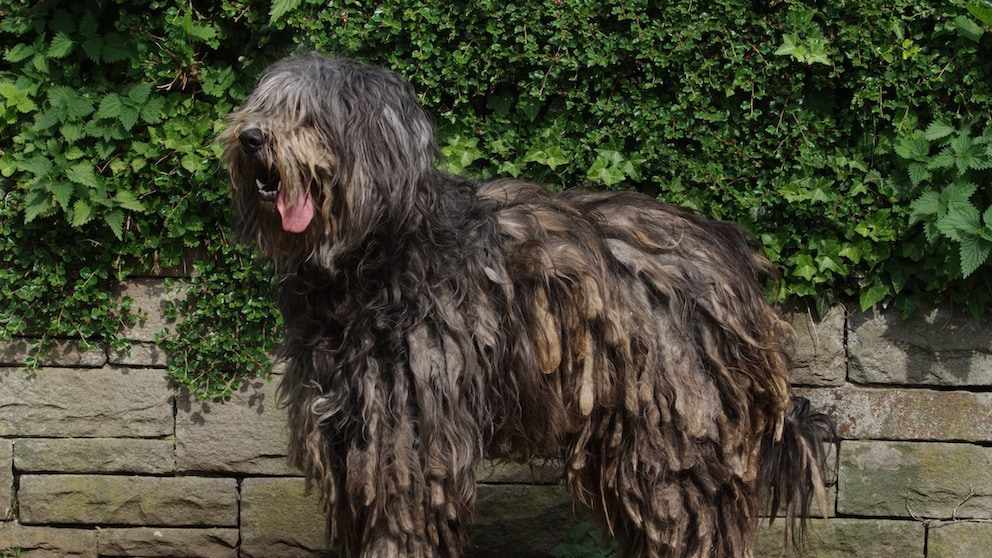
With its long, matted locks and primitive appearance, the Bergamasco Shepherd Dog seems like a relic from the past—and that’s precisely what makes it charming. Beneath its impressive coat lies a loyal, sensitive family dog with a herding background, excelling not only as a reliable guardian but also as a devoted companion. However, this Italian native requires more than just admiration—it demands space, tasks, and most importantly, closeness to its people.
The Bergamasco Shepherd Dog, officially “Cane da Pastore Bergamasco,” is one of Italy’s oldest dog breeds and a prime example of functional breeding. Originally from Lombardy, it served as a guardian and protector of herds under the harshest climatic conditions in the Alps. Its development is closely linked to the needs of mountain farmers and shepherds, evident not only in its intelligent, independent nature but also in its robust constitution.
Its distinctive matted coat is not only a trademark but also provides weather protection. The Bergamasco has become rare—only about 2,000 exist worldwide—but those who commit to it are rewarded with a smart, balanced, and unusually loyal partner.
Origin
The roots of the Bergamasco Shepherd Dog go back more than two millennia. Its ancestors likely came from Asia and arrived in Europe with Phoenician and later Roman soldiers. In northern Italy, particularly in the region around Bergamo, it found its defining habitat. There, the robust dog was used as a versatile helper by the “Bergamini,” the alpine shepherds: It led sheep and cattle herds over alpine pastures, defended them against robbers and predators, and was a constant companion to the shepherds—often their only company for months. This close bond has left a lasting mark on its character.
First written mentions appear in the 16th century. Modern breeding began in the late 19th century, and FCI recognition followed in 1956. Despite its remarkable qualities, the Bergamasco has remained a rare breed. Today, it is considered endangered and is on the list of threatened domestic animal breeds.
Appearance & Coat
The Bergamasco Shepherd Dog is a medium-sized, sturdily built dog with harmonious proportions. Males reach a height at the withers of 58 to 62 cm and a weight of 32 to 38 kg, while females are slightly smaller and lighter at 54 to 58 cm and 26 to 32 kg.
Its most striking feature is its extraordinary coat: a three-layered structure consisting of harsh outer hair, fine undercoat, and woolly intermediate hair. In the rear body area, the typical matted coat forms, protecting the dog from cold, rain, and wind. On the head, neck, forechest, and tail, the so-called goat hair dominates—coarser, looser, and less prone to matting.
The coat colors range from solid black, gray, or isabella to merle tones with gray-black spots; white markings are allowed but should not cover more than 20% of the body surface. Despite the abundant hair mass, the dog does not appear clumsy—its movements are free, and its expression is rustic and lively.
Character & Temperament
The Bergamasco combines the qualities of a herding and guard dog. It is intelligent, calm, and extremely people-oriented. The close bond with humans, developed over centuries, is evident in its loyalty, reliability, and friendliness. It is particularly fond of children and socially compatible, both with other dogs and with familiar animals of other species.
Nevertheless, it possesses a natural alertness and shows a healthy degree of suspicion towards strangers. Its ability to independently assess situations makes it a calm but determined guardian. In everyday life, it is balanced and affectionate, never submissive. It thinks ahead, acts thoughtfully, and expects respectful, partnership-based treatment. A Bergamasco Shepherd Dog wants to belong—closeness and participation are essential for its well-being.
Training
Thanks to its intelligence and willingness to cooperate, the Bergamasco is easy to train. However, it is not a dog for blind obedience: It wants to understand the purpose behind a command. Therefore, sensitive, motivating training is required—harshness or strictness tends to lead to withdrawal.
Consistency, clear communication, and patience form the foundation for a good relationship. Thorough socialization should begin in puppyhood to channel its attentiveness and sensitivity in the right direction. The Bergamasco Shepherd Dog is well-suited for dog sports and work-oriented tasks—provided you work with it, not against it.
Proper Care & Maintenance
The Bergamasco needs space, exercise, and above all, social connection. An apartment in the city is hardly suitable—a house with a large, securely fenced garden is ideal. Daily extensive walks, mental challenges, and varied tasks are necessary to keep it properly occupied. Dog sports or training as a rescue or therapy dog are also suitable activities.
Coat care is specific but not necessarily labor-intensive: The mats are not brushed but regularly separated by hand. The head, chest, and tail should be brushed weekly. After walks, check for foreign objects, as leaves or branches can easily get caught in the matted coat.
Nutrition
The Bergamasco Shepherd Dog is modest regarding its diet. The quality and balance of the food are crucial. Whether dry food, wet food, BARF, or home-cooked meals—the main thing is that the nutrient composition matches its age, activity, and health status. Due to its size, controlled food portions and prevention of gastric torsion are important; several meals a day are recommended. Dry food is often preferred, as wet food tends to stick in the beard and makes cleaning more laborious.
Why This Livestock Guardian Dog Doesn’t Belong in Private Hands

Cão da Serra da Estrela: A Dominant Livestock Guardian Dog with a Strong Protective Instinct
Susceptibility to Certain Diseases
The Bergamasco Shepherd Dog is considered a robust and long-lived breed. Thanks to traditional breeding methods, it is free from typical fashion-breeding diseases. The only mandatory examination before breeding approval is hip X-rays to exclude hip dysplasia (HD).
Hereditary diseases are hardly documented in this breed so far. Nevertheless, owners should have regular preventive check-ups and maintain a healthy lifestyle—including appropriate weight, sufficient exercise, and dental care.
The Bergamasco Shepherd Dog at a Glance
- Size: Males 58–62 cm, Females 54–58 cm
- Weight: Males 32–38 kg, Females 26–32 kg
- Coat: Three-layered, rear body with mats, front with goat hair
- Colors: Gray in all shades, merle, isabella, black; white markings up to 20% allowed
- Character: Intelligent, loyal, fond of children, alert, independent
- Care: House with a garden, lots of exercise, and mental engagement necessary
- Special Feature: Very rare, only about 2,000 worldwide