

September 4, 2025, 3:57 am | Read time: 5 minutes
The Irish Glen of Imaal Terrier is a true insider tip among dog breeds: small, robust, intelligent–and surprisingly gentle. Anyone who thinks terriers are invariably nervous daredevils will be proven wrong here. The Glen combines the courage of a working dog with the calm determination of a companion who knows exactly when to act–and when not to. But what truly makes this rare terrier so special?
Origin
The Irish Glen of Imaal Terrier hails from the Glen of Imaal in County Wicklow, Ireland. Soldiers who were granted land by the British crown in the 16th and 17th centuries once lived there–their descendants shaped the region and this unique type of dog. Glens were kept as versatile farm dogs: for hunting underground, as guard dogs, for rat control, and even to power mechanical devices like spit-turners.
These demands shaped a tough, strong, quiet, and enduring working dog. Due to its isolated origin, this dog was long overlooked. It wasn’t until 1933 that the Irish Kennel Club recognized it, followed by the FCI in 1975. The first breeding in Germany took place in 1983. To this day, the Glen remains one of the rarest breeds–only a few puppies are born each year.
Appearance & Coat
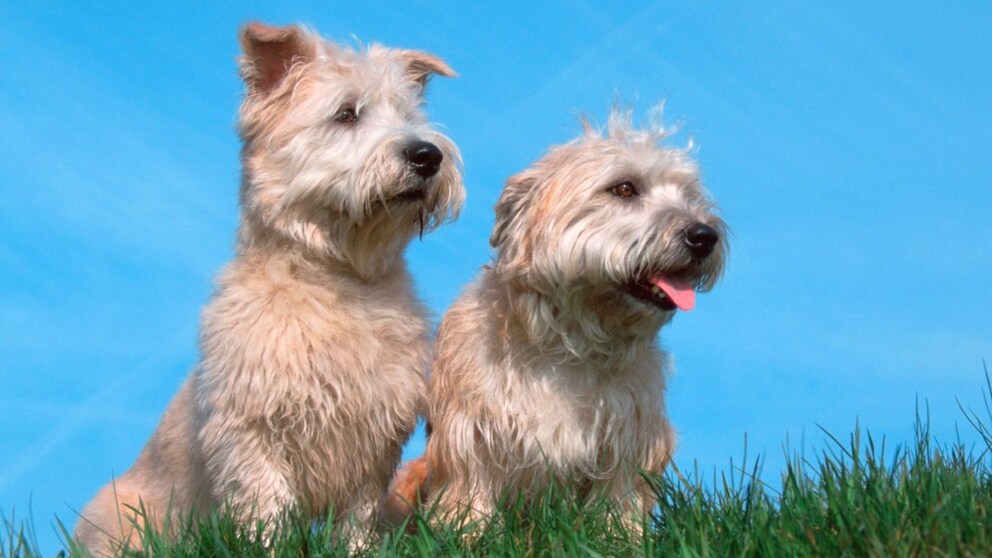
The Irish Glen of Imaal Terrier is a low-set, compact dog with a strong bone structure. With a shoulder height of up to 14 inches and a weight of about 35 pounds (males), it appears substantial and stable despite its small size. Its slightly bowed front legs with outward-turned paws are typical–an adaptation for working in rough terrain. The small, laid-back rose ears, strong muzzle, and clear eye area give it an alert, determined appearance.
The medium-length, rough outer coat is underpinned by dense, soft undercoat, providing effective protection against wetness and cold. Breed-typical colors are wheaten (light to reddish-golden) and blue-brindle–without black markings. The Glen carries its tail cheerfully, and its movements are fluid, far-reaching, and powerful.
Character & Temperament
The Glen combines typical terrier traits like confidence, courage, and temperament with a notably calm, balanced nature. It works quietly, is extremely alert, but not overly prone to barking. Within its family, it is affectionate, friendly, and gentle. Children will benefit from its robust nature–provided clear rules are followed.
Toward other dogs, especially same-sex males, it can be dominant. It approaches strangers cautiously and inquisitively. As an intelligent, eager-to-work dog, it needs mental and physical stimulation. An under-challenged Glen may otherwise develop undesirable behavior, as it tends to make independent decisions.
Training
This dog is teachable and responds well to clear, calm instructions. It can be well-trained–provided its owner is confident and consistent. Harshness is out of place; positive reinforcement leads to success. Due to its independent nature, early socialization is recommended, especially in dealing with other animals.
In experienced hands, this dog is exceptionally cooperative. Even ambitious beginners can achieve good results with professional guidance. A strong bond forms the basis for relying on its reliability even in more challenging situations.
Proper Care & Maintenance
The Irish Glen of Imaal Terrier is suitable for both city and country living, as long as daily exercise and family connection are ensured. A house with a garden is ideal but not essential. Consistent activity is important, as the Glen loves long walks, varied games, and dog sports like mantrailing or hoopers.
It likes to stay close to its people and should not be left alone for long. Its coat is easy to care for: weekly brushing is sufficient, and it should be professionally trimmed twice a year. After walks in the underbrush, a tick check is recommended.
Nutrition
The Glen has no special dietary requirements. High-quality, meat-based food with clearly declared ingredients is essential. Grain-containing products or fillers like soy should be avoided. Whether raw or commercial food: quality and appropriate adjustment to age, activity level, and health condition are important. Obesity is a serious issue for this breed–therefore, attention should be paid to food quantity and regular exercise. For puppies, special junior food is recommended until the 6th month, and from about 8 years, a switch to senior food is advised.

Why the Norfolk Terrier is Underestimated by Many
The Kerry Blue Terrier Tests the Patience of Its Owners
Susceptibility to Certain Diseases
The Irish Glen of Imaal Terrier is considered a robust breed with generally good health. However, like other short-legged breeds, it can experience issues with the musculoskeletal system. Good breeding places special emphasis on healthy joints and balanced anatomy.
Regular veterinary check-ups, appropriate care, and a healthy diet significantly contribute to longevity. The average life expectancy is 14 to 15 years–provided it is a responsibly bred dog.
The Irish Glen of Imaal Terrier at a Glance
- Size & Weight: about 14 inches shoulder height; 32–36 pounds
- Coat: Rough, medium-length outer coat with undercoat
- Temperament: Brave, balanced, alert, loyal, playful
- Exercise Needs: High–daily walks & mental stimulation needed
- Family Suitability: Very good–friendly to children, rather reserved toward strangers
- Special Feature: Very rare, old terrier breed with original character