

April 29, 2026, 11:42 am | Read time: 5 minutes
The Harzer Fuchs is one of Germany’s original working dogs and is closely linked to traditional shepherding. Its strong herding instinct, high intelligence, and independence make it a specialist, though it doesn’t fit into every lifestyle. Despite its growing popularity as a companion dog, it remains primarily a performance-oriented working dog. Anyone interested in this breed should carefully consider whether they can meet its specific needs—this is the key challenge.
Origin
The Harzer Fuchs is a type of Old German herding dog with roots in the Harz region and central, northern, and eastern Germany. For centuries, this dog has been bred solely for its working ability. It is primarily used for herding livestock such as sheep and Harz Red Cattle. Historically, these dogs are among the ancestors of modern shepherd dog breeds. However, with the decline of migratory shepherding, the Harzer Fuchs population is also at risk.
There is no official recognition by the Fédération Cynologique Internationale (FCI) or the German Kennel Club (VDH), nor is it sought. The breed is part of a group of various herding dog types, such as the Gelbbacke, which mainly differ in coat color and texture.
Appearance & Coat
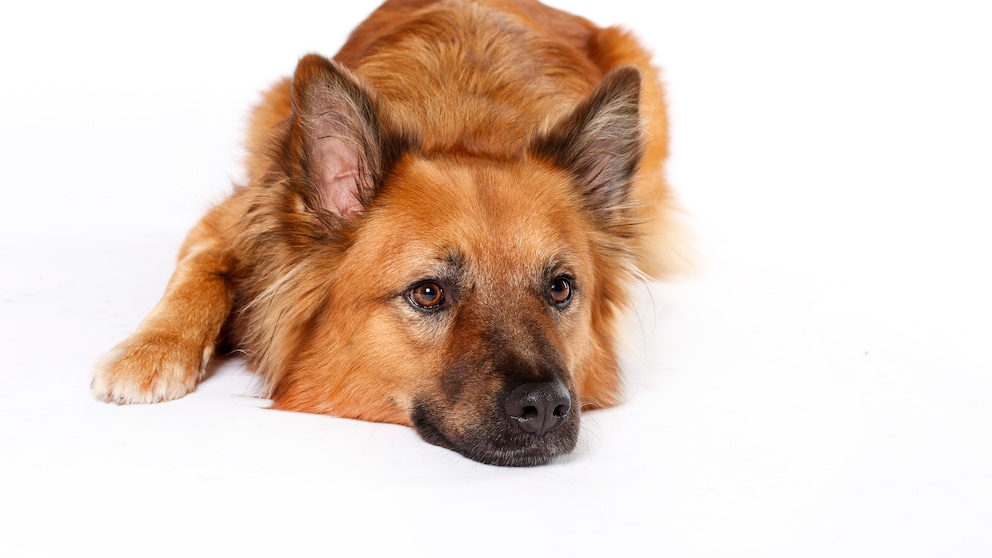
The Harzer Fuchs is a medium-sized, athletic dog. Its height at the withers typically ranges from 50 to 60 cm, while its weight is usually between about 24 and 28 kg. The body is muscular, enduring, and primarily designed for agility.
It is characterized by a long-haired coat with a dense undercoat that reliably protects it from the elements. The outer coat is medium to long, can be slightly wavy, and lies relatively close to the body. A fox-red tone dominates the color, ranging from light cream-red to dark reddish-brown. Additionally, a black mask, dark areas, or white markings on the chest and paws often appear. The ears can either stand upright or hang down.
Character & Temperament
The Harzer Fuchs is described as an extremely intelligent, eager to work, and independently thinking dog. Its quick perception and pronounced alertness are typical traits that make it a reliable herding dog. It works closely with its human but makes independent decisions when necessary.
Characteristically, it shows a strong work ethic, high resilience, and adaptability. At the same time, it has a pronounced herding and sometimes hunting instinct. Without sufficient activity, this behavior can become problematic.
In the right environment, the Harzer Fuchs can be loyal and affectionate, yet it is not a typical family dog. Its behavior towards other dogs often appears distant, which is why it is often kept as a single dog. However, when physically and mentally challenged, the Harzer Fuchs shows its calm and balanced side.
Training
Training a Harzer Fuchs requires experience, consistency, and a good understanding of the dog. Due to its independence and relatively low “will to please,” it is not an easy dog for beginners. Clear rules and reliable leadership are essential for it to navigate everyday life.
Early socialization and attending a dog school are also recommended. Building a close bond is important, as it forms the basis for successful cooperation.
The dog needs both mental and physical tasks. Without sufficient activity, it can develop undesirable behaviors. Consistency should be combined with sensitivity, as the Harzer Fuchs, despite its robustness, can react sensitively to inappropriate harshness.
Proper Care & Maintenance
The Harzer Fuchs is a dedicated working dog and requires a lifestyle that meets its high need for movement and activity. Ideally, it is kept in a rural environment where it can pursue its original task of herding. Pure apartment living or life in a big city is less suitable.
Daily intensive exercise is a must. In addition to long outings, activities such as jogging, cycling, or demanding dog sports are suitable. Equally important is mental stimulation, such as search games or scent work.
Coat care is relatively uncomplicated. Regular brushing, especially during the shedding season, is usually sufficient. Bathing is only necessary as needed. For Harzer Fuchs dogs with hanging ears, regular checks and cleaning should also be done to prevent infections.
Nutrition
The Harzer Fuchs is considered easy to feed and adaptable. However, its diet should be balanced and high-quality to meet the high energy needs of an active working dog. Adequate protein supply is particularly important for muscle and performance. Puppies need several meals a day, while adult dogs are usually fed twice. Fresh water should always be available.

Why the Schafpudel Is in Demand Again as a Working Dog
The Westerwald Cattle Dog is Considered the Last of the Old German Herding Dogs
Susceptibility to Certain Diseases
The Harzer Fuchs is generally considered a robust and resilient breed, as breeding is primarily focused on functionality and health. However, typical diseases can occasionally occur.
This includes hip dysplasia, a genetically caused malformation of the hip joint that can lead to pain and movement restrictions. Responsible breeders, therefore, have their animals examined accordingly.
Eye diseases such as cataracts or glaucoma have also been described. Dogs with hanging ears are also at increased risk for ear infections (otitis externa), as moisture and dirt can accumulate more easily.
Regular veterinary check-ups and an adapted lifestyle and diet significantly contribute to maintaining health. With good care, the life expectancy of a Harzer Fuchs can be up to about 15 years.
The Harzer Fuchs at a Glance
- Character: intelligent, eager to work, independent, alert
- Size: about 50–60 cm at the withers
- Weight: about 24–28 kg
- Coat: long-haired with a dense undercoat, usually red to reddish-brown
- Care: demanding working dog, not suitable for beginners
- Exercise needs: very high, requires intensive physical and mental activity
- Special features: pronounced herding instinct, not FCI-recognized, endangered dog type