

November 19, 2025, 12:48 pm | Read time: 5 minutes
When temperatures drop, it’s not just the weather that changes—cats behave differently too. Independent loners suddenly become affectionate cuddlers, seeking warmth and closeness. PETBOOK editor Louisa Stoeffler explains why this happens.
When the Cold Comes, Cats Seek Warmth
Whether outdoor or indoor cats, as soon as winter begins, many cats change their habits. What was once a sense of adventure, hunting instinct, or extended balcony siestas is replaced by a lot of rest. The animals now sleep up to 20 hours a day, move less, and consciously seek warm places.
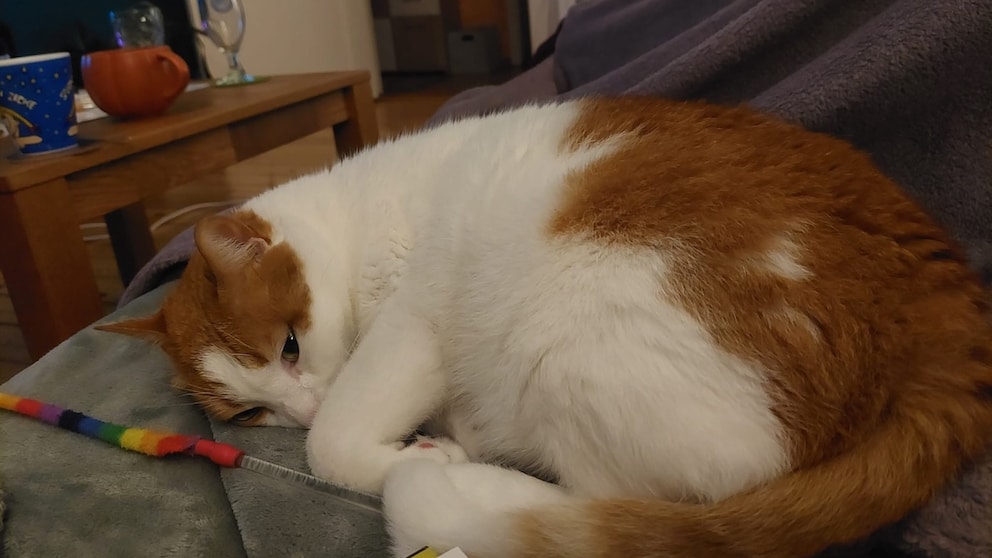
I notice this every year with my cat Remo: In the summer, he spends hours at the window or on the balcony, but as soon as it gets cold, he only wants one thing—to be on my lap. Or to bask in the heat from the heater—sitting on top of it for hours.
This has biological reasons: Cats originally come from regions with high average temperatures. They prefer warmth, and cold means additional energy expenditure for their bodies. So they lower their activity level—a completely natural adaptation mechanism.
More Closeness, Fewer Stimuli—How Daily Life Changes
I notice this with Remo immediately: As soon as it gets uncomfortable outside, he leaves the balcony behind, moves from the windowsill to the heater, and when I’m home in the evening, he goes straight to my lap or under the cozy blanket. Whether I still have room for my legs doesn’t matter to him.
While outdoor cats are significantly less active outside in rain and cold, they often still spend time at the door—just shorter and more purposefully. Many then make their rounds near the house, check their territory, or venture on small excursions before fleeing back to the warmth. Once fur and paws get wet, retreating to the sofa is inevitable for them, too. If a cat stays outside longer or belongs to a hairless breed (such as Sphynx, Peterbald, Ukrainian Levkoy), it also needs a warm, dry shelter to warm up regularly during garden strolls.
Indoor cats, on the other hand, experience winter in a completely different way: What was hours of window watching or relaxed balcony time in the summer loses its appeal at lower temperatures. Instead of fresh air, body contact and closeness now top the list.
But as nice as cuddling is, cats still need mental stimulation. With less movement and external stimuli, boredom can quickly set in. Indoor cats feel this lack more acutely than outdoor cats—but outdoor cats also benefit from indoor activities. Small rituals help make winter varied:
- Movement games: A cat wand or a ball can create short, intense play sessions.
- Scents and textures: Paper, cat-friendly herbs, or new objects stimulate the senses.
- Food search games: Hiding treats in a box or under clothes encourages curiosity and movement.
Why Cats Generally Seem Calmer in Winter
Many owners observe that their cat is less active during the dark season. This is not only due to the cold but also to the lack of light. Less daylight means altered hormone production—leading to tiredness in both humans and cats.
As long as appetite, grooming, and responsiveness remain normal, there’s no cause for concern. Some cats simply sleep more and enjoy the quieter time. However, if you notice that the cat often seems listless, withdraws, or hardly plays anymore, light therapy can help: A bright daylight lamp that illuminates a favorite spot for a few hours daily supports the natural rhythm. Some cats, like Nairobi from my colleague Saskia Schneider, even develop a winter depression.
Remo, on the other hand, likes to lie exactly where it’s bright and warm—sometimes I think he’s already put together his own winter program.
Small Stimuli Against the Winter Blues
Winter can be very unstimulating for cats—but even small impulses make a difference. An open window for a few minutes, a new sound, or a moving object is often enough to spark interest.
Playing together also acts as a mood booster: Just ten minutes a day is enough to keep circulation and muscles in shape. Indoor cats especially benefit from being regularly challenged—both physically and mentally.
Remo reacts immediately when I bring out one of his wands or his little spirals. Just a few jumps and the winter lethargy is forgotten.

Which Wellness and Care Treatments for Dogs Are Beneficial in Winter

Which Pets Need More Food in Winter?
When Clinginess Can Be a Warning Sign
Not every change in behavior is harmless. If a cat suddenly becomes unusually clingy or noticeably seeks protection, it can indicate insecurity or pain—even if they are already very affectionate in winter. Changes in the household—such as new furniture, noises, or people—can also cause stress.
If the cat also shows loss of appetite, restlessness, or frequent hiding, a vet should examine them. Sometimes the sudden closeness is not about comfort but a need for security.
Conclusion: Closeness That Benefits Both Sides
When cats become more affectionate in winter, it’s rarely a cause for concern. It’s a natural reaction to cold, darkness, and fewer stimuli—and an invitation to enjoy the time together.
In the cold months, not only do cats benefit from the growing closeness, but their humans do too. The familiar purring, resting together, or a little play in the evening creates connection—and counters the gloomy winter mood.