

December 13, 2025, 3:26 pm | Read time: 5 minutes
They are popular pets and accompany many people through daily life–but when temperatures drop outside, a dangerous season begins for hamsters. Why a cool location in the house can quickly become a risk for the small rodents and what measures owners should take in winter is shown by looking at their origin and needs.
Heat Needs Explained by Origin
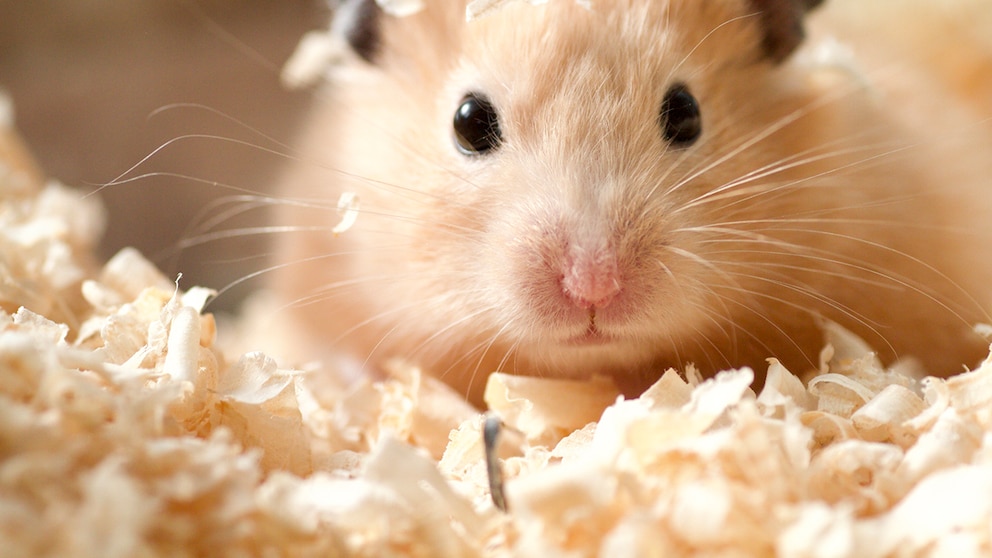
Golden hamsters originally come from the dry, warm regions of Syria. Accordingly, their descendants living in Germany also rely on consistent temperatures. According to experts, optimal conditions are between 68 and 72 degrees Fahrenheit.
“Especially in winter, it’s important that the small animals are not exposed to extreme temperature fluctuations,” explains Dr. Maximilian Reuschel, head of the pet department at the Clinic for Pets, Reptiles, and Birds at the University of Veterinary Medicine Hannover, to the Pet Supplies Industry Association (IVH).
“Even when we humans are on our way to work or sleeping at night, the temperature should be maintained. Too cold or drafty locations can promote respiratory infections or other illnesses.”
Differences Between Hamster Species
While golden hamsters come from milder regions, many dwarf hamster species like Djungarian or Campbell’s live in steppe landscapes where it can get significantly colder in winter. However, this does not mean they cope better with low temperatures in captivity.
Domesticated animals have largely lost the natural rhythm of their wild counterparts and do not enter a healthy hibernation in the cold, but rather a torpor state, which poses health risks for all hamster species. Therefore, regardless of the species, owners should ensure a consistently warm environment and a draft-free location for safe wintering.
The Right Place in the House for Hamsters in Winter
Even though hamsters live indoors with us, they still have many behaviors of their wild ancestors. This includes seeking out retreats more intensively in winter and spending significantly more time in their self-built nests. This behavior is not a sign of lethargy but an expression of an innate protective mechanism. In the wild, hamsters cushion their underground burrows with plant fibers to buffer against cold and temperature fluctuations.
A sufficiently deep, diggable bedding in the home enclosure allows them to exhibit this behavior and retreat to warmer layers if needed. Without this option, the small body cools down much faster. Suitable materials in the enclosure provide additional warmth. Hay, straw, or special cotton nests serve as nesting material for the animals to snuggle into if needed.
Insulated sleeping houses also help retain warmth inside–especially important when airing out rooms daily. To ensure the temperature remains constant, it is advisable to regularly check with a thermometer to see if the desired 68 degrees are actually reached.
A central aspect of the hamster’s well-being is also the location of its enclosure. Cold drafts–such as from open windows or doors–should be avoided at all costs. Basements or garages are also unsuitable for housing, as they are often unheated. At the same time, the cage should not be placed directly next to a heat source like a radiator to avoid overheating.
How to Tell if Your Hamster Is Hibernating

How to Keep Tortoises Outdoors
Cold Torpor as a Serious Danger for Hamsters in Winter
If the ambient temperature permanently drops below 59 degrees, it can have dramatic consequences for hamsters. “If hamsters are exposed to temperatures below 59 degrees for an extended period, there is a risk they will fall into a so-called torpor state, or cold torpor. Like in hibernation, they gradually shut down all body functions, but they are not prepared for this at all. It can even become life-threatening,” warns Dr. Reuschel.
If the hamster lies motionless in its enclosure as if in hibernation, caution is advised. Instead of immediately picking it up, a close look should be taken. Small signs of life, such as shallow breathing or twitching of the whiskers, can indicate that the rodent is still alive. In this case, a visit to the veterinarian is urgently recommended.
Warming up must occur slowly–not with a hot water bottle, but by increasing the ambient temperature. After waking up, the animal needs food and fresh water to recover. In any case, the hamster should be examined by a veterinarian to rule out long-term health effects.
Increased Attention to Health and Behavior
The cold season is not only a physical but also an organizational challenge for many pets. Hamsters are particularly sensitive to stress from noise, frequent location changes, or abrupt temperature changes–burdens that are quickly underestimated in winter. A suddenly changed activity level, scruffy fur, or noticeably shallow breathing can indicate that the organism is already struggling with the cold.
Regular short health checks help to detect such changes early. Especially smaller animals quickly lose weight when ill, so a watchful eye is particularly important in winter. Although hamsters do not have an increased food requirement in the cold season, a balanced diet also plays a major role in their defenses. A good food structure with various seeds, selected herbs, and a moderate amount of animal protein supports the metabolism in better compensating for temperature fluctuations.
At the same time, owners should ensure that fresh water does not cool down or become contaminated–especially in dry heating air, some animals drink less and thus become more susceptible to health problems. A calm, stable environment and a constant food supply help ensure that winter does not become a burden for hamsters.
With material from dpa