

May 11, 2026, 12:18 pm | Read time: 4 minutes
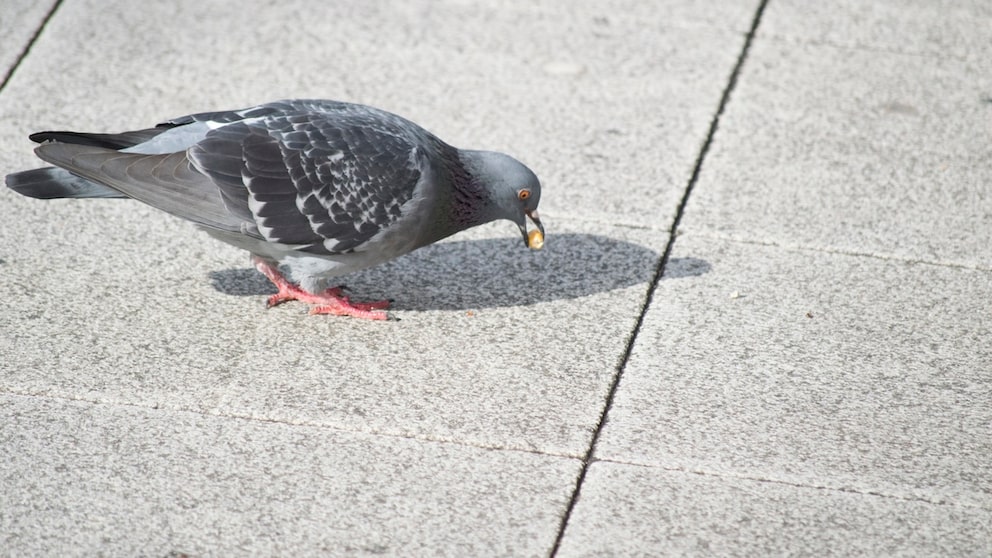
A fallen French fry or crumbs from a sandwich? Many think that’s a feast for pigeons. But in reality, this type of diet not only causes stomach issues for pigeons but also for many car owners. Find out what pigeons really eat and how their diet is related to car paint damage at PETBOOK.
What Do Pigeons Actually Eat?
Pigeons are an integral part of our cities, yet their diet is often misunderstood. Many consider them omnivores, but these birds have very specific dietary needs.
The city pigeon descends from the rock pigeon and is naturally a grain eater. For a healthy life, it needs about 30 to 40 grams of food daily.
Pigeons’ diets mainly consist of plant-based foods: seeds and grains form the base, supplemented by leaves, buds, fruits, roots, and other greens. This mix provides pigeons with everything they need, at least when they can find enough of it.1
“Gut with Charm” – Why Pigeon Droppings Are Often Liquid
In nature, pigeons primarily eat seeds and grains, as mentioned earlier. Their digestive system is specifically adapted to this plant-based diet.
However, in the city, the situation is often different. Instead of appropriate food, many pigeons eat bread, fries, or other food scraps. This unsuitable diet is difficult for their bodies to process, with significant consequences: digestive problems and the typical liquid droppings that many consider “normal.”2
In fact, this so-called “hunger droppings” is a clear sign of malnutrition. When pigeons get what they truly need, their droppings change: they become firmer, less noticeable, and much less problematic. The effects of this poor diet are not only evident in the birds themselves but often end up directly on cars, in the form of noticeable, liquid droppings.
In short: The problem isn’t the pigeon—it’s the wrong food.
Pigeons Produce “Crop Milk”
Pigeons have a unique ability: while many birds feed their young with insects as a protein source, pigeons do not rely on animal protein. They can nourish their young with so-called crop milk.
This is produced from plant-based foods like seeds, leaves, and berries and is particularly rich in fat and protein. As a result, the chicks grow very quickly. Unlike many other bird species, pigeons do not need to search for animal food for their young.
This allows them to raise offspring over a long period of the year, from about February to November.
Why City Pigeons Often Eat Food Scraps
In cities, pigeons often do not find enough of their natural food. Sealed surfaces and a lack of green areas make it difficult to find food.
Therefore, they are forced to resort to what is available, often food scraps from humans. They are often on foot all day to find enough food.
This unnatural diet, however, has consequences:
- poor plumage
- weaker immune system
- digestive problems
- noticeable, liquid droppings
With a proper diet, the droppings would be much firmer.
Feeding Isn’t Enough: What Sparrows Really Need
Why Some Cars Attract More Bird Droppings
Is It Allowed to Feed Pigeons?
Whether you can feed pigeons is not uniformly regulated in Germany. Instead, cities and municipalities set their own rules. In many cases, feeding is even prohibited and can result in fines. At the same time, the legal situation is not as clear as often assumed: Expert reports conclude that city pigeons are not classic wild animals but rather feral domestic animals. Blanket feeding bans are therefore sometimes in conflict with animal welfare.
Another important aspect is that uncontrolled feeding—such as with bread or food scraps—can harm the animals and lead to diseases and digestive problems. At the same time, city pigeons depend on humans, as they are descended from domesticated homing and carrier pigeons and cannot fully fend for themselves. Therefore, the key issue is not whether to feed them, but how: Providing appropriate food in small amounts and controlled measures is considered a more sensible approach than thoughtless feeding or blanket bans.
Pigeons Are Not Omnivores
Pigeons are specialized grain eaters, even if their behavior in cities often suggests otherwise. Their consumption of waste is primarily due to a lack of natural food sources.
A proper diet could not only improve the health of the birds but also reduce many problems in coexistence with humans.