

March 1, 2026, 10:54 am | Read time: 4 minutes
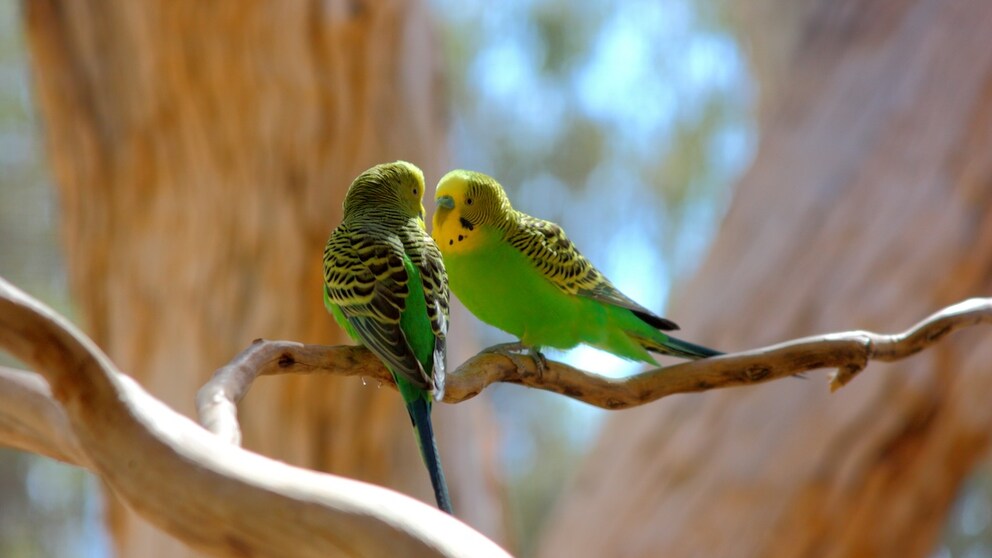
In Germany, budgerigars are among the most popular pets, alongside dogs, cats, and small animals. However, these colorful parakeets are more demanding than many people think. PETBOOK knows what to consider before buying a budgerigar—from proper care and space requirements to the origin of the birds.
What to Ask Yourself Before Buying a Budgerigar
Anyone looking to buy budgerigars should not do so spontaneously or without careful thought. Although these small parrots seem easy to care for, they have high demands for care, environment, and attention. By asking the right questions in advance, you can create conditions that meet both the birds’ needs and your own daily routine.
Is It Clear Where the Budgerigars Come From?
Budgerigars should not be purchased spontaneously or from questionable sources. Especially in pet stores, at bird fairs, or through anonymous online offers, the origin, health status, and previous care are often difficult to verify. Animal shelters or animal welfare organizations offer a more humane alternative, where many budgerigars—often already in pairs or groups—are waiting for a new home.
Is There Enough Space?
Future owners should know that budgerigars are among the most active ornamental birds. In the wild, they travel long distances in search of food and spend much of the day flying. Therefore, a standard cage in pet care does not meet their need for movement.
The birds need a spacious aviary or—ideally—a dedicated bird room to allow them safe daily free flight. Only if they can perform several wing beats in succession will they remain healthy. Otherwise, health issues such as obesity, muscle atrophy, or behavioral disorders may arise.
Can Multiple Birds Be Kept Together?
Budgerigars are flock animals and live in large groups in nature. Keeping them alone is not an option. At least one companion bird, preferably a small group, is essential. Even intensive play with humans cannot replace social interactions with their own kind. In solitary confinement, the birds suffer from isolation, which can lead to apathy, excessive calling, feather plucking, or other behavioral issues.
Is There Enough Time for Care, Free Flight, and Engagement?
Those who keep budgerigars must invest time daily—not only for feeding and cage cleaning but also for engaging the birds. This includes time for supervised free flight sessions. If you are often away from home or have little time, you should consider in advance whether budgerigars fit into your lifestyle.
Is the Home Suitable for Budgerigars?
Not every home is automatically bird-friendly. For safe free flight, risks such as open windows, glass fronts, toxic plants, or water sources must be eliminated. The location of the aviary should also be well chosen: bright, quiet, and free from drafts—not in the kitchen, not directly by windows or radiators. Additionally, protection from other pets like cats is important, as they can be stress factors for the birds.
Are the Ongoing Costs Manageable?
In addition to the initial setup with an aviary, toys, and accessories, keeping budgerigars incurs ongoing costs—for high-quality food, fresh greens, bedding, and regular health checks at the vet. In case of illness, a visit to an avian specialist is necessary, which can incur higher costs.
Does the Responsibility Fit Long-Term with Your Life?
A budgerigar often accompanies its owners for many years. Future life changes, such as moves, career changes, or family additions, should be considered. Additionally, budgerigars communicate lively and loudly. Those who cannot cope with chirping and calling long-term will not be happy with these birds.

Keeping Budgerigars Alone? That’s Animal Cruelty

7 Recommended Bird Cages Compared
Is Vacation Care Arranged?
Budgerigars also need reliable care during vacation times. This includes not only feeding and cleaning but also daily free flight, observation, and interaction with the birds.
Therefore, you should clarify before acquiring them who can competently care for the birds during vacations or extended absences. This could be an experienced individual or a specialized vacation care service. If this option is lacking, keeping budgerigars can quickly become problematic.
Conclusion
Budgerigars are demanding flock animals with complex needs. Those who ask and honestly answer the right questions before purchasing lay the foundation for care that meets the birds’ needs—and works long-term for the owners.