

October 16, 2026, 8:06 am | Read time: 3 minutes
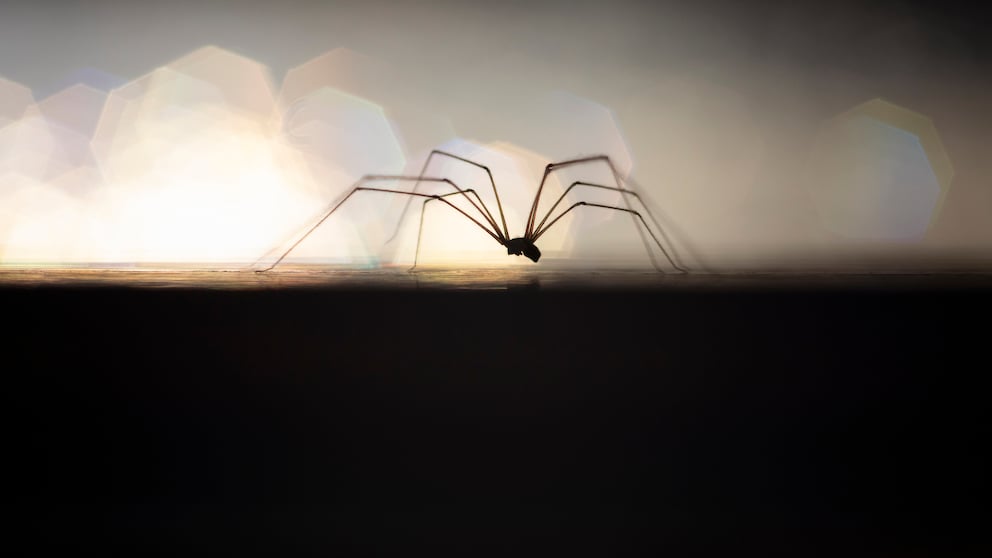
They sit on the ceiling, scurry across the floor, or hide behind furniture: In the fall, many people notice an unusually high number of spiders in their homes. For those with arachnophobia, this marks an unpleasant time. But why do these eight-legged creatures come indoors now, and can it be prevented?
Why Are There More Spiders in the Fall?
There are likely two factors contributing to the increased visibility of spiders in the fall–even indoors. First, these crawlers have been growing all summer. They’ve been diligently consuming insects, shedding their skins, and have now reached a considerable size. This makes them more noticeable than in the spring. Although there are more spiders in spring than in fall, the tiny ones often fall prey to birds and other predators.1
Secondly, many spider species are particularly active in the fall. Male spiders, in particular, are on the move, searching for females ready to mate. They can often be seen in the evenings and at night–sometimes even inside homes.
Also interesting: How spiders manage to fly for miles without wings

Why You Shouldn’t Kill the Next House Spider

This highly venomous spider now also lives in Germany
Which Spiders Enter Homes in the Fall?
It’s not the unpleasant fall weather that drives spiders into our homes. Many species don’t like warm, dry heating air, so they prefer unheated or damp areas like basements, attics, or bathrooms.
Among the species you might (unwillingly) observe at home is the house spider, also known as the cellar spider or domestic spider, with a leg span of up to three inches. The giant house spider and the daddy longlegs spider also occasionally find their way into our living spaces.2
How to Humanely Remove Spiders
Spiders in the house can be quite useful. They eat mosquitoes and other unwanted pests. Still, many people prefer to get rid of these uninvited guests immediately. Instead of attacking the unpopular eight-legged creatures with a vacuum cleaner, slipper, or rolled-up newspaper, animal lovers should opt for a gentler method.
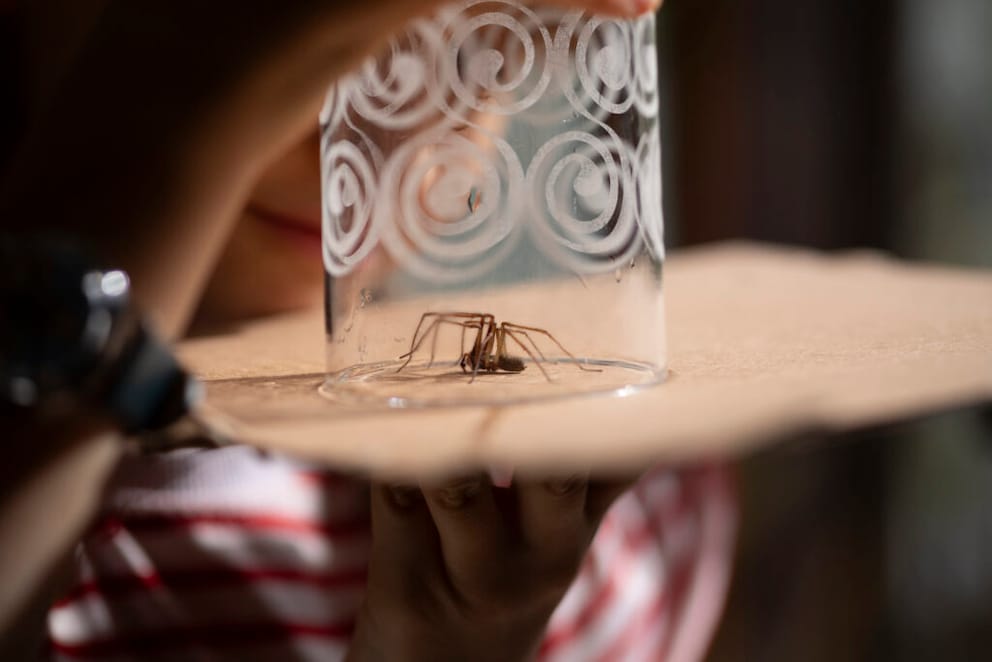
The simplest way is to place a glass over the spider, slide a piece of sturdy paper or cardboard under its eight legs, and transport the creature outside. There are also special plastic live insect catchers available in stores, which even people with arachnophobia can use to easily collect the crawlers. Ultrasonic spider repellents, on the other hand, are largely ineffective.
To keep spiders, as well as mosquitoes, flies, and other small intruders out of the house, it’s advisable to install insect screens or nets on the windows. However, they don’t offer complete protection: The creatures only need a gap of a few millimeters, such as in the masonry or door, to find their way inside.