

November 3, 2025, 4:58 am | Read time: 6 minutes
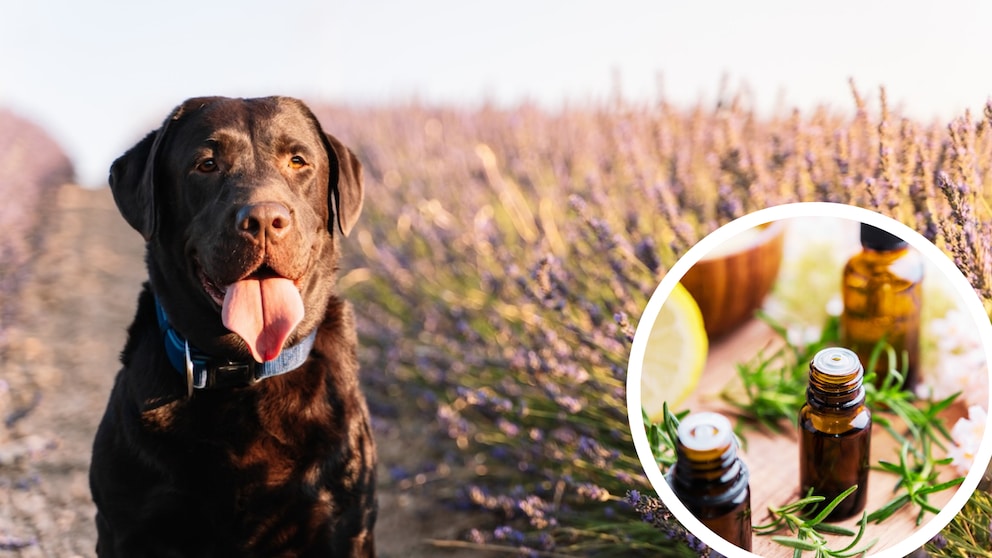
Essential oils are credited with a variety of positive effects on the body, mind, and soul. They are among the oldest known healing methods. But can this therapy also be used on pets, and how does aromatherapy work? PETBOOK author and health consultant for cats and dogs Philine Ebert explains.
What is Aromatherapy Anyway?
It involves the use of essential oils to alleviate illnesses or enhance general well-being. As far back as ancient Egypt, certain fragrances were used for therapeutic or ritual purposes. Oils have always been used as natural medicine or in the form of incense to cleanse spaces.
To consciously avoid chemical substances, hospitals increasingly use room sprays made from essential oils against multi-resistant germs or aroma blends for wound healing and scar care.
Where Do Essential Oils Come From?
Essential oils are formed as small droplets in all parts of plants. Because they have germ-inhibiting and disinfecting effects, they protect plants from predators or pathogens. They are also responsible for the characteristic scent of each plant.
The Difference Between Phytotherapy and Aromatherapy
The origin lies in herbal medicine (phytotherapy), which involves working with plants that contain essential oils. Derived from this, aromatherapy is a healing practice where only the pure essential oils from plants are used therapeutically. Once extracted, they can be absorbed and administered as pure oil through their fat solubility via the skin, nose, mouth, or lungs. Therapy for humans is reserved for doctors, trained nursing staff, and alternative practitioners.
Can Animals Also Be Treated with Aromas?
In veterinary medicine, aromatherapy has mostly been used to treat horses. However, interest in natural healing options for dogs and cats is growing, bringing aromatherapy increasingly into focus. The use of essential oils in chronic pain management, sleep or digestive issues, or natural parasite control has proven effective.
For animals, scents hold special significance, as sniffing and smelling are their primary means of communication, triggering immediate physical and psychological reactions. The application in animals is not subject to legal regulations but should only be practiced by qualified veterinarians or animal healers, as the use of oils can also carry risks and side effects.
The effectiveness for humans and animals has not yet been clearly scientifically proven. While there are individual studies that demonstrate the positive effects of some essential oils, most recommendations are based on empirical evidence.
Also interesting: The Biggest Pet Food Myths Exposed
The Proper Use for Pets
Aroma oils should only be used internally and externally on pets after thorough consultation with a qualified therapist. Additionally, the application is only suitable for adult animals. As an owner, you should monitor the process and the reaction to the application. An animal must like and accept the scent. If the animal reacts with immediate rejection of essential oils, do not force further exposure.
It is important that only 100 percent natural, organic-quality essential oils are used on animals. They should never be applied undiluted and only according to the therapist’s dosage recommendations, both internally and externally.
Can I Treat My Cat with Aromatherapy?
The use of essential oils in cats is highly controversial. Cats lack certain enzymes to properly metabolize essential oils, meaning that certain oils in high concentrations can be toxic. Additionally, cats often react with aversion to oils and their intense smell. Therefore, the use of essential oils in cats should only be done upon recommendation and consultation with an experienced therapist.
These Oils Should Not Be Used on Cats:
- Citrus oils
- Tea tree
- Clove
- Cinnamon
- Juniper
- Anise
- Thyme
- Eucalyptus
- Camphor
- Peppermint
Can I Treat My Dog with Aromatherapy?
Many dogs find essential oils and scents interesting. This is natural for them, as most impressions and feelings arise from the perception of smells. For example, they instinctively seek out herbs when they have health issues like stomach problems. They rely on their sense of smell and choose the appropriate plant based on its scent and the essential oils it contains to alleviate their symptoms.
However, this does not mean that all dogs like or accept the smell of essential oils. They can also signal discomfort or intensity by turning their heads, flattening their ears, or blinking. Additionally, allergic reactions or skin irritations may occur.
These Oils Should Not Be Used on Dogs:
- Anise
- Juniper
- Birch
- Clove
Are Room Fragrances Dangerous for Animals?
You probably know this too: Some people have so-called diffusers in their rooms that disperse aroma oils into the air. The advantage of aroma oils as room fragrances is that they work naturally and do not contain synthetic fragrances. Conventional scented candles and room freshening sprays can burden our pets’ bodies and promote the development of allergies. They are suspected of being linked to cancer, liver, or kidney diseases.
It is important that the animal always has the option to leave the scented room and decide for itself when it has had enough.

Is Ayurveda Suitable for Dogs and Cats?

How Healing Clay Can Help Dogs with These Problems
Suitable Oils for Animals and Their Positive Effects:
Rose Oil (“Oil of the Heart”)
- Scent: typical, characteristic rose scent
- Effect: antifungal, antiviral, and antibacterial, promotes cell renewal, anti-inflammatory, antispasmodic, relaxing, calming, and harmonizing, helps against jealousy
Lavender Oil – “Oil of the Center”
- Scent: highly aromatic, floral-herbal, fresh
- Effect: helps against parasites like fleas or ticks and has balancing, calming, stress-relieving, anxiety-reducing, mood-lifting effects, and promotes concentration
Manuka Oil or “New Zealand Tea Tree Oil” – “The Remedy of the Maoris”
- Scent: warm, spicy, slightly woody, deep, and herbal
- Effect: antibacterial and anti-inflammatory, nourishing, strengthens skin function, supports wound healing, helps against itching, antiallergic, supports respiratory diseases, has pain-relieving and anti-inflammatory properties for joint issues or arthritis, strengthens the immune system, stress-relieving and relaxing, supports emotional balance in grief or trauma, improves room air quality
Manuka oil is a good alternative to conventional tea tree oil, which should be avoided due to its intensity and potential side effects.
What Pet Owners Should Take Away
Scents evoke a wide range of feelings in us and can be beneficial for health in many ways for both body and soul. The use of scent therapy on our four-legged friends can be a valuable addition to supporting illnesses or helping with emotional imbalances.
However, an experienced therapist should always conduct an individual consultation and accompany the treatment tailored to the animal.