


July 3, 2025, 2:21 pm | Read time: 8 minutes
If you love your pet, you want to feed it the right food to keep it healthy for a long time. However, various myths have circulated in society for decades—some deeply ingrained.
Whether it’s cartoons, old wives’ tales, or well-meaning advice from family, many myths about pet nutrition persist. Yet, some of these supposed truths can be quite dangerous and are actually nothing more than pet food myths. We clarify eight of the most well-known misconceptions—and explain what should really be in the bowl.
1. “Rabbits love carrots”
The image of a rabbit munching on a carrot became iconic thanks to Bugs Bunny from the “Looney Tunes.” However, the idea that carrots are good food for rabbits is probably the most well-known pet food myth. In cartoons, the carrot was actually included to mimic a cigarette, making the rabbit appear “cool.” Since the first cartoons in 1940, this misconception has spread and taken root.
However, carrots contain a lot of sugar and should not be a main part of their diet. Rabbits primarily need roughage like hay or fresh grasses, which should make up the bulk of their diet. Carrots should only be offered as an occasional treat—in small amounts.
Problematic about this pet food myth: Too much sugar promotes obesity and dental problems. Additionally, the sensitive gut flora of rabbits can become unbalanced.
Proper feeding: Fresh hay around the clock, supplemented with some leafy greens like arugula, endive, or celery greens, and occasionally vegetables. Very rarely, fruit or sugary vegetables like carrots.
More on this topic: Are carrots really that healthy for rabbits?
2. “Milk is good for cats”
For a long time, hardly any commercial was complete without a purring cat with a bowl of milk. But: Most adult cats are lactose intolerant. The result: diarrhea, bloating, and stomach pain. The origin of the misconception likely dates back to when farm cats received raw milk as their only “treat” as a small thank you for good mouse-catching performance. Many cats tolerated it somehow back then. Today we know: Many cats lack the necessary enzyme lactase in adulthood. This means cats are—like most mammals—lactose intolerant after weaning.
Problematic about this pet food myth: It’s not that cats don’t like milk. The fats and proteins it contains appeal to their senses, so they lap it up eagerly. However, cats can experience various symptoms from milk, most commonly vomiting or diarrhea.
The lactose can also ferment in their intestines, leading to bloating and cramps. If the symptoms persist, or if milk is repeatedly given, cats can also show appetite loss, weight loss, or dehydration due to constant diarrhea. Many pet food manufacturers exploit people’s misconceptions. The pet trade is full of lactose-free cat milk or alternatives. However, these are only enjoyable for the animals in moderation.
Better: Fresh water is the best choice. If you want to treat your cat, you can offer suitable lickable pastes or crunchy treats.
3. “Ducks love bread”
Feeding ducks in the park with old bread is a popular family outing, especially in spring. But this can be life-threatening for the animals. Bread contains a lot of salt, yeast, and empty carbohydrates, making it hardly digestible for waterfowl. This can lead to digestive problems, fatty liver, and deficiencies.
Additionally, ducks can become “bread junkies,” literally dependent on it. The salt or sugar it contains tastes good but is unsuitable for ducks. Moreover, young animals do not learn to forage for food themselves. And: Old bread in the water, especially when it’s already warm, promotes additional algae growth and can upset the water balance. If the food is left, it can also attract other animals, like rats and mice.
Problematic about this pet food myth: Bread causes digestive problems in ducks because it swells in the stomach and cannot be metabolized. Especially when feeding old bread, invisible mold may have already formed. If a duck eats too much bread or it literally “gets stuck in its throat,” it can even choke. Prolonged feeding can lead to deficiencies and gout.
Better: Do not feed at all, as the animals do not learn to forage for food themselves, as reported by the German Animal Welfare Association. Moreover, more and more waterfowl can gather if ducks are fed bread at the same spot. “The animals become stressed and pollute the surrounding areas more with droppings.” By winter, when fewer or no visitors come to their pond, the animals could even starve.
Read more here: Why you shouldn’t feed ducks bread
4. “Dogs love bones”
The dog descends from the wolf—so the bone seems like a logical complete utilization of prey animals. Media portrayals of dogs jealously guarding their bones or burying them in the garden are again responsible for anchoring this pet food myth. But cooked bones as leftovers from human meals splinter easily and can cause internal injuries, intestinal blockages, or even fatal bleeding.
Problematic about this pet food myth: Poultry bones or hollow bones, which become brittle when cooked, can break and their sharp ends can injure the dog’s organs. Pork bones are also critical—they can be very hard and damage teeth.
Better: Raw, meaty marrow bones from beef can be offered in moderation, under supervision, and only to healthy dogs. Alternatively, chew snacks specifically made for dogs—safe and nutritious. They don’t have to be bone-shaped; it’s more important to focus on good ingredients.
5. “Mice love cheese”
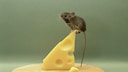
Cheese and mouse—also a classic image from cartoons. Especially in “Tom & Jerry” stories, where the somewhat dim-witted cat tries to lure the clever mouse out of its hole with a piece of cheese. Mouse Samson from the Disney series “Chip ‘n’ Dale” is even seemingly hypnotized by the mere aroma of cheese. In reality, many mice completely shun cheese. Why? The high fat and salt content is unsuitable for the stomachs of rodents—and can even be toxic. Nevertheless, the misconception of luring mice into traps with a piece of cheese is deeply ingrained in the collective memory.
Problematic about this pet food myth: Mice, like many other animals on this list, are more likely to experience digestive problems from cheese, especially if it contains lactose. As opportunistic omnivores, they will accept it if nothing else is available. So, you shouldn’t feed your house mouse cheese. If you want to catch an unwanted mouse, a live trap with insects or nuts is recommended, allowing you to gently release the animal outside.
Better: Grains, fruits, seeds, and plant-based foods. In the wild, mice eat grasses, roots, and small insects.
6. “Hard bread is good for rabbit teeth”
This pet food myth is as stale as the bread itself. Many owners give their rabbits old, hard bread thinking, “It grinds down their teeth.” In fact, this is a myth from grandma’s time, which is doubly problematic.
Problematic about this pet food myth: Bread contains, as mentioned, grains and starch, which rabbits do not tolerate well—it can massively disrupt their sensitive gut flora. Additionally, hard bread does not effectively wear down teeth—this is much better achieved with fibrous hay and vegetables.
Better: Chew, chew, chew. Rabbits feed on fibrous grasses, and these, along with constant chewing movements, allow the animals to naturally shorten and maintain their growing teeth. Additionally, branches from unsprayed fruit trees (e.g., apple, pear) can be offered—also tooth-friendly and species-appropriate.
7. “Dogs only need meat”
Raw feeding (“BARF”) or meat-heavy diets are booming—often with the argument that the dog is a pure carnivore. But: Dogs are no longer wolves and have been adapted to a mixed diet for millennia.
What is problematic about this pet food myth:
- Pure muscle meat does not provide all the necessary nutrients—such as calcium, iodine, vitamin A, or fiber.
- This can lead to severe deficiencies, growth disorders, or organ problems—especially in young dogs.
Better: A balanced diet with 70 percent meat and offal, 30 percent vegetables, and possibly oils or grains as supplements. If you want to prepare this yourself, you should seek thorough advice or provide high-quality commercial food with the right composition. With BARF, always calculate nutrients!
Why Do We Still Believe Mice Eat Cheese?
Are cats allowed to eat cheese? A veterinarian clarifies
8. “You can nurse wild animals like hedgehogs or squirrels with milk”
A dangerous misconception that costs many young animals their lives. When seemingly needy wild animals are found in the fall or spring, many people instinctively reach for milk. But again: Cow’s milk is intolerable for wild animals. In addition to the metabolic consequences mentioned in other milk myths, this can lead to death within hours in weakened wild animals.
Better: Contact wildlife rescue—there, you’ll find special rearing milk, experts, and advice. Because not every animal needs help at all!
Conclusion: Well-intentioned is not always well done
Many feeding mistakes occur out of ignorance about the proper nutrition of certain animals or the desire to sustainably use food that one no longer wants to eat. It is all the more important to debunk common myths and provide animals with what they truly need. Because improper nutrition can make them sick—and sometimes even be fatal.
What looks cute or “has always been done this way” is not necessarily healthy. When in doubt: Ask, research—or consult a veterinarian or nutrition expert.