

September 18, 2025, 8:38 am | Read time: 5 minutes
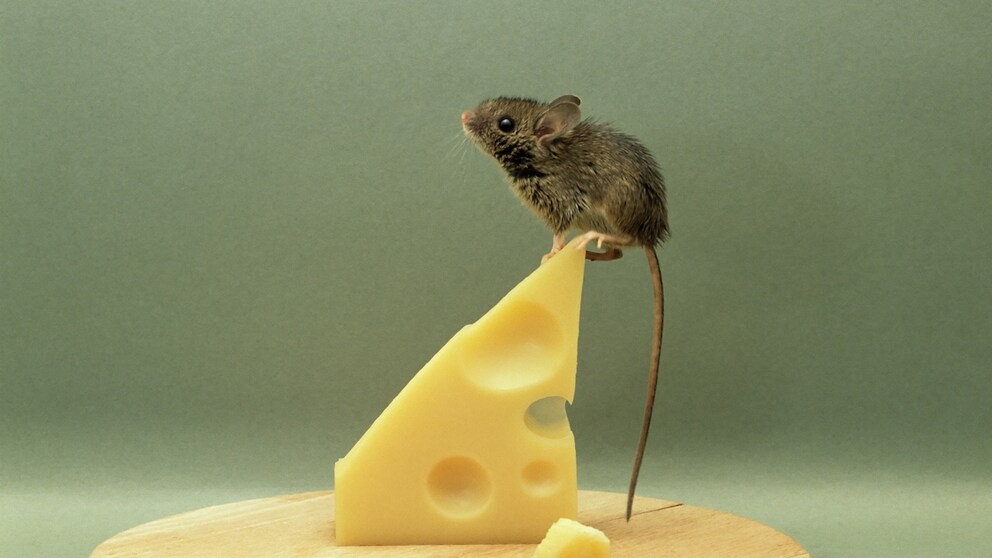
Even children learn from numerous books and cartoons that cheese is a real treat for mice and that they are sometimes even responsible for the holes in the cheese. PETBOOK clarifies what is true about this cliché and what mice prefer to eat.
Every child knows the image of a mousetrap with a piece of cheese from books, cartoons, and comics. So it’s not surprising that many people still firmly believe that mice love cheese—and that it’s the best bait for a mousetrap. But where does this assumption actually come from? We investigated the question and identified the true favorite food of these small rodents.
Overview
What the Middle Ages Have to Do with “Tom and Jerry” and “Speedy Gonzales”
The assumption that mice love cheese probably dates back to the Middle Ages. Cheese was stored to ripen in cellars, where mice were usually not far away and left their marks on the cheese wheels. Other foods were usually kept well-sealed, and ham had to be hung high up to ripen. Cheese was likely one of the few foods that was easily accessible. Additionally, it is believed that it was easier for painters at the time to depict a mouse with a piece of cheese than with seeds or roots. The cliché of cheese as a favorite food is thus historically, not biologically, based.
In many children’s series, the image of the cheese-eating mouse was further reproduced. Are you familiar with “Speedy Gonzales” or “Tom and Jerry”? You have probably noticed how often the mouse protagonist, Jerry, runs across the screen with a piece of cheese. Although he wouldn’t actually eat cheese as a mouse, it seems to be his main food here.
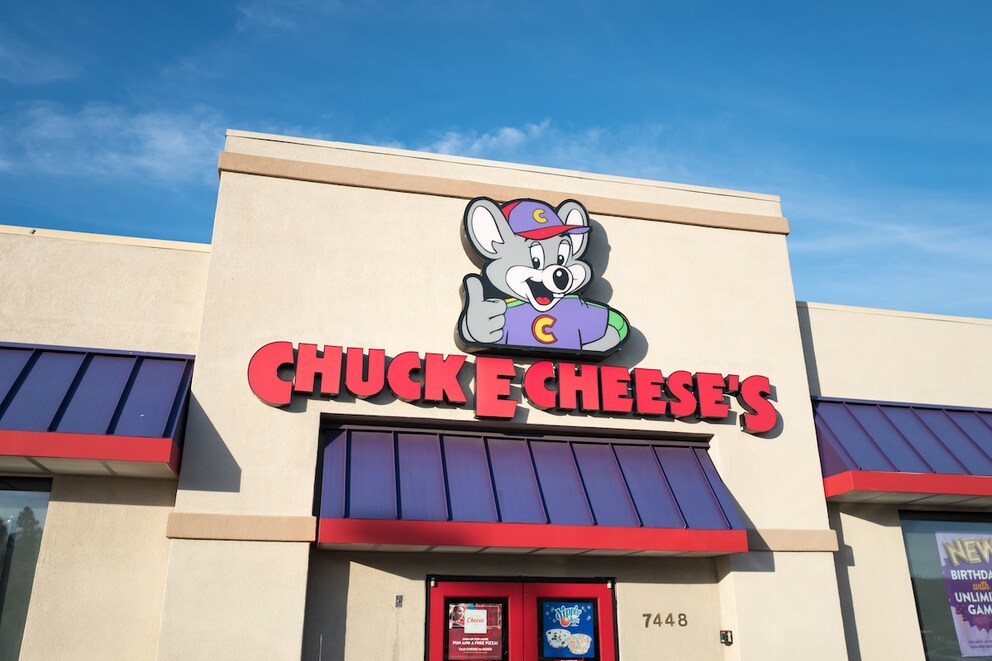
Besides films and series, such narratives are also known from children’s games like “Max Mäuseschreck.” It’s about mice grabbing pieces of cheese but having to be careful not to get caught by the cat, Max. In the U.S., there’s even a restaurant chain with a mouse mascot named “Chuck E Cheese”—the cheese is already in the name. 1 2 3
Mice Like Cheese–but Only if They Have to
In reality, cheese is not the first choice for mice. It has been observed that mice will only accept dairy products as food if they have no alternative. If offered bacon at the same time, they would prefer it. Most nuts and seeds are more appealing to mice and align with their natural diet. And anyone who has tried to catch a house mouse with a live trap may have already discovered that the most promising bait is chocolate spread. Mice find the enticing smell and sweet taste hard to resist.

Exposing the Biggest Pet Food Myths

This is why carrots are unhealthy for rabbits
Proper Nutrition for Pet Mice
In addition to house mice, fancy mice, which are bred as pets, also inhabit many homes. Beginners in mouse keeping might be inclined to offer their pets cheese as well. However, this should be more of an exception. Many mice will likely reject the cheese if there is enough other food available. For a healthy diet, mice don’t need cheese. In fact, the lactose it contains doesn’t match the usual nutrients that mice frequently consume.
In the wild, mice also eat insects, nuts, and seeds to get protein. Ideally, fancy mice should occasionally be offered some insects. Pet stores offer live, freeze-dried, or frozen mealworms or crickets, which are a real and healthy treat for mice. Yogurt drops and similar products commonly found in stores should ideally not be on the mouse’s menu. Besides the relatively low milk protein content, they also contain a lot of sugar, which is not good for the mice’s teeth or metabolism. Increased sugar intake can lead to obesity and resulting metabolic diseases in rodents. In general, it’s worth checking the ingredient list for sugar in snacks from pet stores. Or you can simply make the mouse treats yourself.
Also interesting: Safe Plants for Rabbits
Recipe for Mouse Cookies
Ingredients
- 100 grams of rodent food
- 50 grams of oatmeal
- 1 egg
- 1 tablespoon of flour
- a small carrot
Preparation
- Mix rodent food, oatmeal, and flour well in a bowl.
- Crack the egg and mix it thoroughly with the mixture.
- Wash the small carrot and grate it finely with a kitchen grater.
- Squeeze the grated carrot in a fine sieve to let the juice drain out.
- Add the grated carrot to the dough mixture and mix everything again.
- Line a baking sheet with parchment paper.
- Use two small spoons to take portions of dough from the bowl and place them on the baking sheet at a distance of five centimeters. Then flatten the portions slightly.
- Bake at 180 degrees for about 20 minutes. Make sure the cookies don’t burn.
- Let the cookies cool well and offer them to the mice.
Tip: With a little honey or agave syrup in the dough, the mouse cookies usually taste good to both big and small humans! 4