

December 27, 2025, 2:42 pm | Read time: 3 minutes
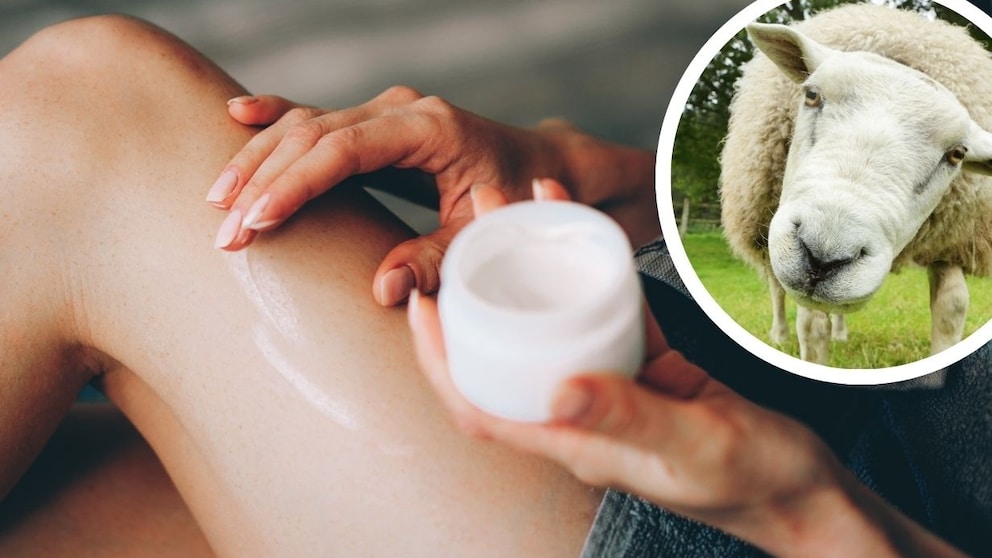
It’s found in lip care, ointments, and specialty creams—but what exactly is lanolin? Few people know that this popular skincare ingredient comes from sheep’s wool. While it may sound unappealing at first, a closer look reveals it to be a true all-rounder—though not without its downsides. PETBOOK explains why wool fat is controversial.
Overview
What Lanolin Is and How It’s Obtained
Lanolin, also known as wool wax, is a byproduct of sheep shearing. It forms in the animals’ sebaceous glands and is extracted from the fleece through a special washing process after shearing. The waxy substance protects sheep’s wool from external influences like moisture or dirt—and offers similar protective functions for human skin.1
Why Lanolin Is So Good for the Skin
A key advantage of lanolin is its structural similarity to the natural fatty layer of human skin. This makes it particularly well-tolerated and versatile. It’s used in cosmetic products because it softens, moisturizes, and heals the skin, reduces inflammation, and promotes skin regeneration.2
When Lanolin Helps–and When It Doesn’t
Care for Dry Skin
Lanolin-containing products can be particularly beneficial for dry, cracked, or sensitive skin. They are suitable for caring for chapped lips in winter or irritated skin due to neurodermatitis. The ingredient is also found in special creams for nursing mothers, such as in special creams for sore and cracked nipples.
Despite the generally low risk of allergies, lanolin should not be used blindly. As with all skincare products, the individual skin type plays a crucial role.
Not Ideal for Oily or Impure Skin
Caution is advised for oily or blemish-prone skin. The fatty film created by lanolin can further clog pores and exacerbate skin issues like pimples or blackheads. Those who already have impure skin should opt for alternative products.

Animal Welfare and Sustainability–What to Consider When Buying Alpaca Wool

Expert Explains What Cosmetics with Beeswax Are Suitable For
Criticism: Don’t Ignore Animal Welfare and Pollutants
Despite its natural origin, lanolin is not inherently harmless—especially from an ethical standpoint. Shearing can be torturous for sheep if done under poor conditions. In some countries, the practice known as mulesing is carried out, where lambs’ tails are removed without anesthesia—a practice banned in Germany.3
Residues of pesticides used to treat animals against parasites are also problematic. These substances can accumulate in lanolin and cause skin reactions—such as allergies or redness. To be safe, one should prefer certified products made from untreated wool or avoid lanolin altogether.
Caution with Sensitive Skin
Since lanolin is considered a potential contact allergen, manufacturers are required to clearly list it on packaging. For this reason, lanolin-containing products cannot carry allergy and asthma seals. People with sensitive or neurodermatitic skin should pay close attention to the ingredients when purchasing such skincare products.4