

December 24, 2025, 3:02 pm | Read time: 4 minutes
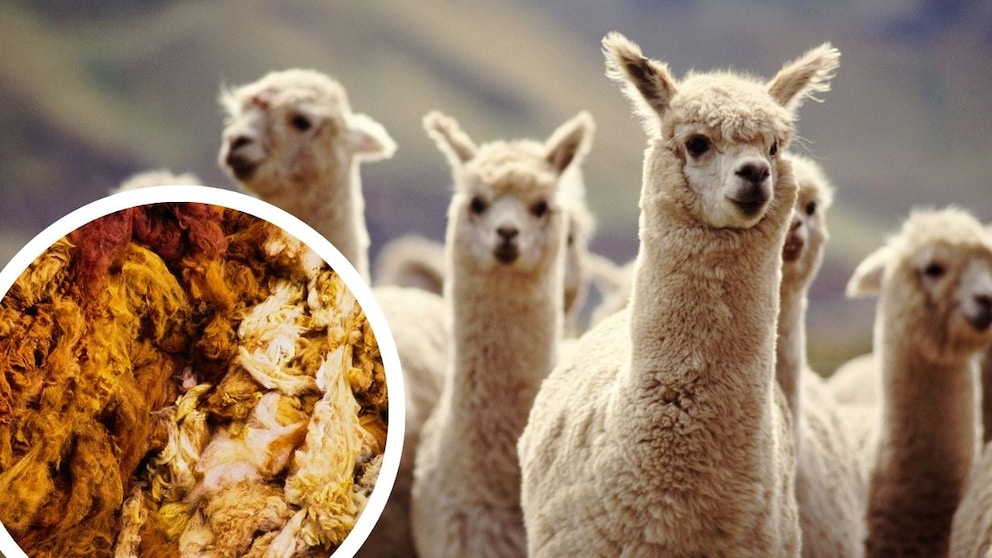
It is considered luxurious, exceptionally soft, and for many fashion enthusiasts, it’s long been more than just a secret tip: alpaca wool. The fiber from the South American Andes impresses with numerous advantages—but its ecological footprint and the conditions under which the animals are kept also raise critical questions. PETBOOK reveals what really lies behind the “Gold of the Andes.”
The Advantages of Alpaca Wool
Alpaca wool is among the finest natural fibers in the world and is gaining popularity in the fashion industry. Its softness, in particular, makes it a sought-after alternative to traditional sheep’s wool. Clothing made from alpaca wool feels significantly softer on the skin and is ideal for people with sensitive skin.
The fiber also impresses in terms of weight: Alpaca wool is noticeably lighter than sheep’s wool, yet offers equally high thermal performance. Another plus is its hypoallergenic properties—it contains little lanolin, which causes allergic reactions in many people. This makes it especially suitable for allergy sufferers.
Additionally, alpaca wool is naturally breathable. It effectively wicks moisture away from the skin, ensuring a pleasant body climate. When produced under sustainable conditions, alpaca wool can also be processed in an environmentally friendly manner—an added appeal for environmentally conscious consumers.
Critical Aspects: Animal Welfare and Environmental Impact
However, despite many positive attributes, there are also downsides. Central to this is animal welfare. Alpacas are living beings whose proper care should be a top priority. Unfortunately, this is not guaranteed everywhere. PETA reports on abuses during shearing in Peru, the largest exporter of wool, where animals are often treated brutally.
The environmental impact of the fiber is also less favorable than it might initially appear. According to the Higg Index, alpaca wool ranks just behind silk as the second most environmentally harmful textile. This is due to several factors: the high land requirements for alpaca farming, the methane emissions of the animals—comparable to those of cattle—and their nitrogen-rich waste, which contributes to soil and water acidification. The result: algae growth that can disrupt entire ecosystems and even threaten groundwater.
Another drawback: Alpaca wool is sensitive to abrasion. To enjoy clothing made from this fiber for a long time, it should be treated with care to avoid pilling.
Sustainable Alpaca Wool—Is It Possible?
Despite these criticisms, sustainable alpaca wool is possible—if certain conditions are met. A key aspect is proper pasture management: Alpacas need ample space and protection from the elements. Rotational grazing helps preserve the soil and prevent overgrazing.
The health of the animals also plays a central role. Regular veterinary checks, good care, and reducing medication through preventive measures are part of responsible alpaca breeding. Sustainable feeding relies on locally available, seasonal feed that minimizes the ecological footprint.
Breeding focuses on genetic diversity and avoiding inbreeding. This helps prevent overbreeding and related diseases. The resulting alpaca manure can be used effectively, for example, as a natural fertilizer for agricultural land.
Sustainable alpaca farming respects ethical principles in dealing with the animals. This includes respectful treatment, minimal stress factors, and ensuring a life appropriate to the species.

This is how much animal suffering there is within cashmere wool production

How to Identify Sustainable Clothing Without Animal Cruelty
Why Alpaca Wool Is More Expensive Than Sheep’s Wool
The exclusivity of alpaca wool comes at a price—and for several reasons. For one, alpacas produce significantly less wool than sheep, and their herds are generally smaller. This makes the fiber rarer and correspondingly more expensive.
Additionally, their care is more demanding. Alpacas are sensitive animals that require special care and living conditions. “These delicate animals require special care, which demands additional resources and expertise.”
Another cost factor: the labor-intensive hand processing of the wool. To preserve the fine structure of the fiber, processing is often done by hand—a labor-intensive process that requires expertise and time.
Moreover, demand is rising. The popularity of alpaca wool is continuously growing. Consumers are willing to pay more for the quality and sustainability of the products. Many alpaca farms adhere to ethical standards, which are also associated with higher costs—an important aspect for many when purchasing.
Conclusion: Luxury Fiber with Environmental Challenges
Alpaca wool combines comfort, exclusivity, and natural functionality. Yet behind the elegant image lie ethical and environmental challenges. Those who pay attention to origin and sustainability when purchasing can still enjoy it consciously, knowing that fashion and responsibility do not have to be mutually exclusive.