

July 25, 2026, 2:47 pm | Read time: 3 minutes
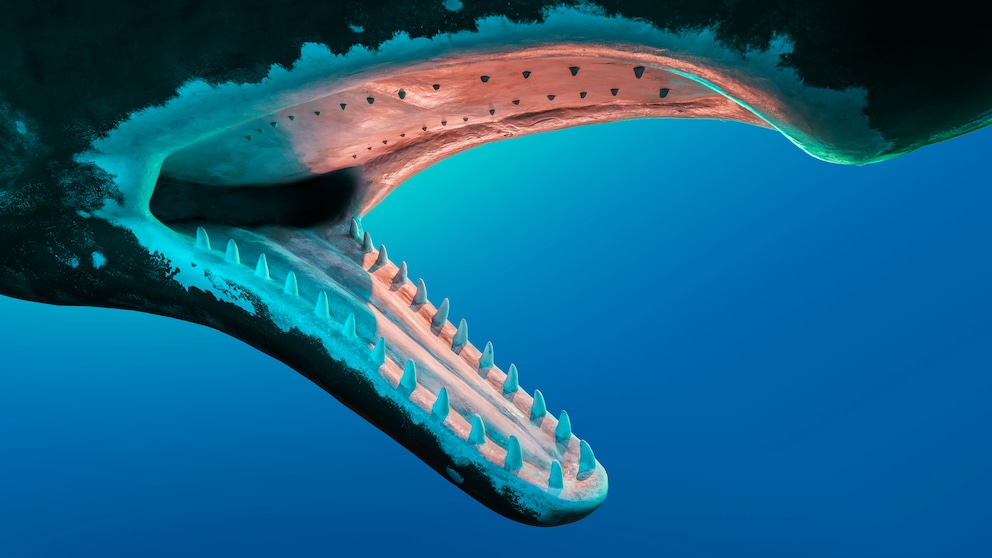
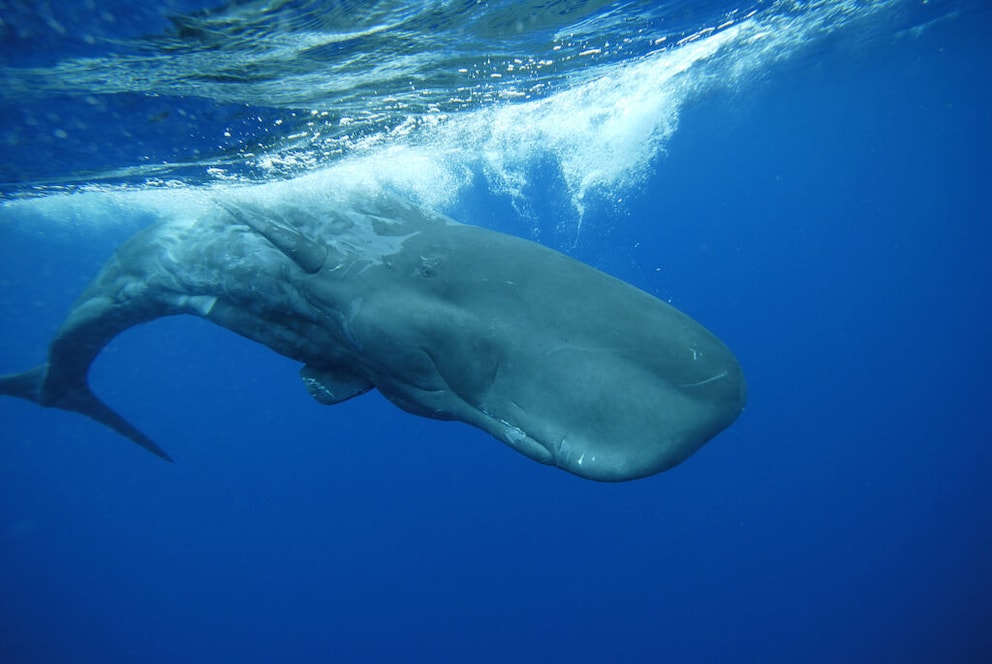
A strong-smelling, waxy lump on the beach initially sounds anything but valuable. Yet it could be ambergris, a rare substance from the digestive tract of sperm whales, once primarily used in the perfume industry and traded for enormous sums. The demand for this so-called sperm whale vomit was highlighted in 2023 by a case in southern India: Police seized 9.8 kilograms of ambergris, valued at more than 2 million euros at the time. But why is this inconspicuous mass so precious, and why is its trade banned in many countries?
Sperm Whale Vomit Was Once Used to Make Perfume
The waxy byproduct of sperm whales has been known for centuries in Asia, the Arab world, and Europe. Most recently, ambergris was used as a fixative in perfume production.
The whale’s discharge initially smells strong but is said to develop a pleasant scent over time. Nowadays, most manufacturers use synthetic substances instead of ambergris. The gray substance is rare and cannot be traded in most countries.
The price per kilogram of dried ambergris varies greatly. It typically ranges from 10,000 to 33,000 euros. Occasionally, sperm whale vomit is traded at even higher prices, fetching 80,000 euros per kilo or more.

70 Shark and Ray Species Receive Global Protection

Animal rights activists uncover cruel tiger trade in South Africa
But How Is Ambergris Formed?
Experts are not exactly sure how sperm whales produce ambergris. It likely forms at the transition from the stomach to the intestines when food is not properly digested. Over time, a growing mass forms there, which is eventually regurgitated.
Experts understand this process quite well. Sperm whales feed on squid, among other things, and these often have hard, indigestible jaws or beaks, depending on the species. The result: sperm whales occasionally have to vomit.
The large gray lumps that are expelled then drift in the sea until they eventually wash ashore. Those who find them can potentially earn a lot of money. For example, a group of fishermen from the war-torn country of Yemen discovered more than 120 kilograms of ambergris in the belly of a stranded whale carcass in 2021. The “Süddeutsche Zeitung” reported at the time that a businessman from the United Arab Emirates bought the whale discharge from the men for a staggering 1.5 million dollars.
Also interesting: Can whales really swallow humans?
Since 1973, the Trade in Whale Products Has Been Banned Worldwide
Sperm whales are geographically widespread; they are found in all the world’s oceans. However, because they were once hunted for their blubber, they are now considered endangered and are listed on the International Union for Conservation of Nature’s Red List.
Since the 2000s, the number of sperm whales seems to be slightly increasing. According to the WWF, the population size is estimated to be between 200,000 and 1.5 million individuals. One reason for this is likely the Washington Convention on International Trade in Endangered Species (CITES). Since 1973, it has banned the hunting of whales and the trade in any whale products. More than 180 parties have signed the agreement to date, making the trade of sperm whale vomit virtually nonexistent worldwide. However, as the news from India shows, the waxy substance is still illegally smuggled and sold.