

July 9, 2026, 4:16 am | Read time: 5 minutes
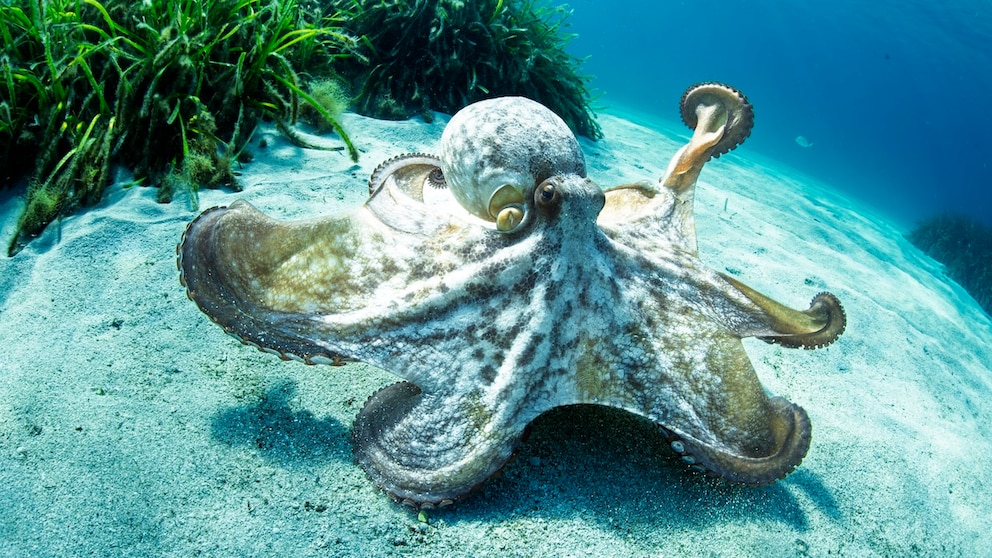
Octopuses use tools, crows plan ahead, and dolphins recognize their peers even after decades. PETBOOK reveals which animals are among the smartest in the world and what makes them so extraordinary.
Overview
Great Apes Plan for the Future
Chimpanzees, gorillas, and especially orangutans possess significant intelligence. Orangutans can respond flexibly to problems and even plan for the future. For instance, if they find objects that could serve as tools, they carry them along in case they might need them. Like humans, great apes also have high social intelligence. They can empathize with their peers and other animals and react accordingly.
Dolphins Recognize Friends After 20 Years
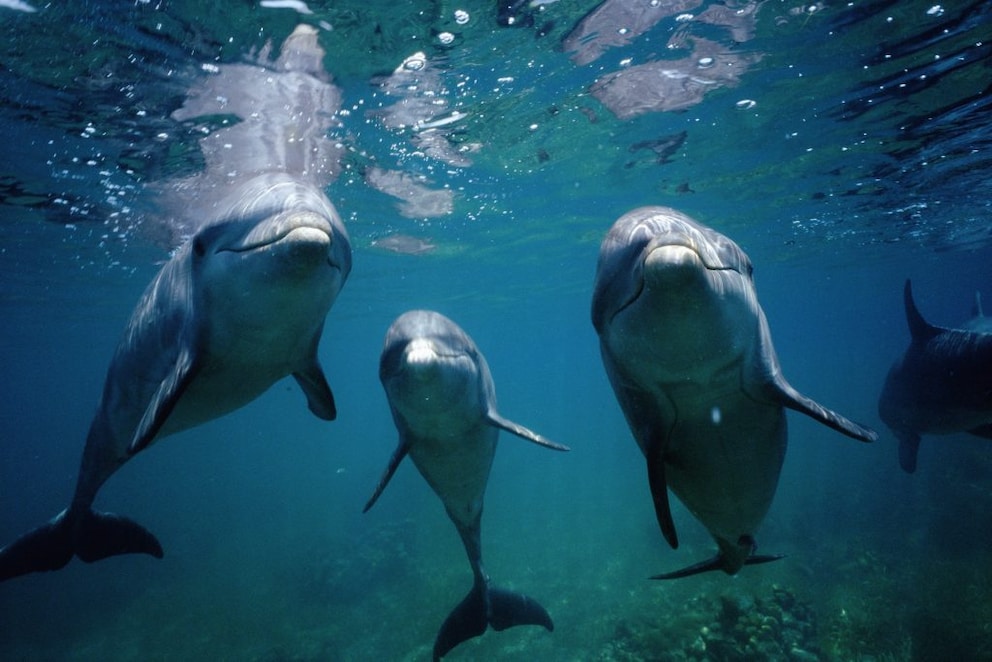
Dolphins are often considered the smartest animals overall. They have a relatively large brain. But since size isn’t everything, the brains of bottlenose dolphins, in particular, have very complex thought processes. This allows them to recognize family members they haven’t seen in 20 years. Their social intelligence is also well-developed.
Mothers teach their young the best hunting techniques for their specific waters, and a family group shares tasks such as hunting, childcare, or keeping watch. Communication among dolphins is also very complex, and it’s not uncommon for them to help injured peers, other species, and even humans reach the water’s surface to breathe.
By the way, not only dolphins but also other marine mammals like orcas or baleen whales are considered very intelligent. This is partly due to their species-specific songs, which are still not fully understood but are seen by scientists as an extremely complex form of communication that shows features of a true language.
Octopuses Have Nine Brains
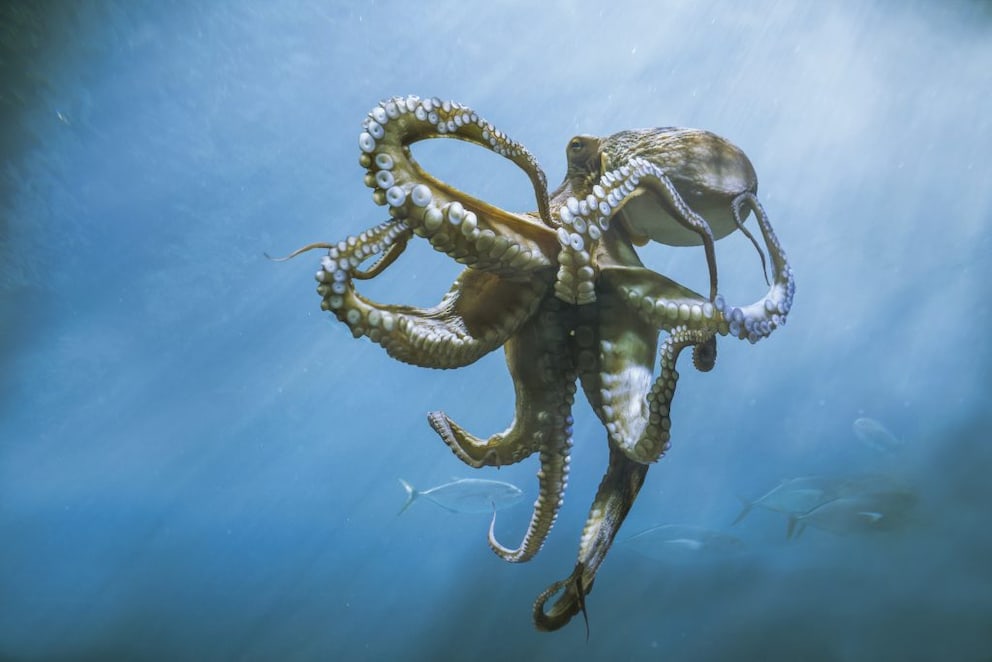
For a long time, it was unknown how intelligent octopuses are. These sea creatures technically have nine brains: one in the head and eight more in the nerve cords of their arms. In experiments, octopuses could count prey animals and even recognize different people. While other animals twitch wildly in their sleep, octopuses change color more frequently while sleeping. It is believed that this is caused by exciting dreams. To catch prey, octopuses can also use stones or twigs as tools. Some octopuses use empty coconut shells as mobile shelters.
Elephants Almost Never Forget
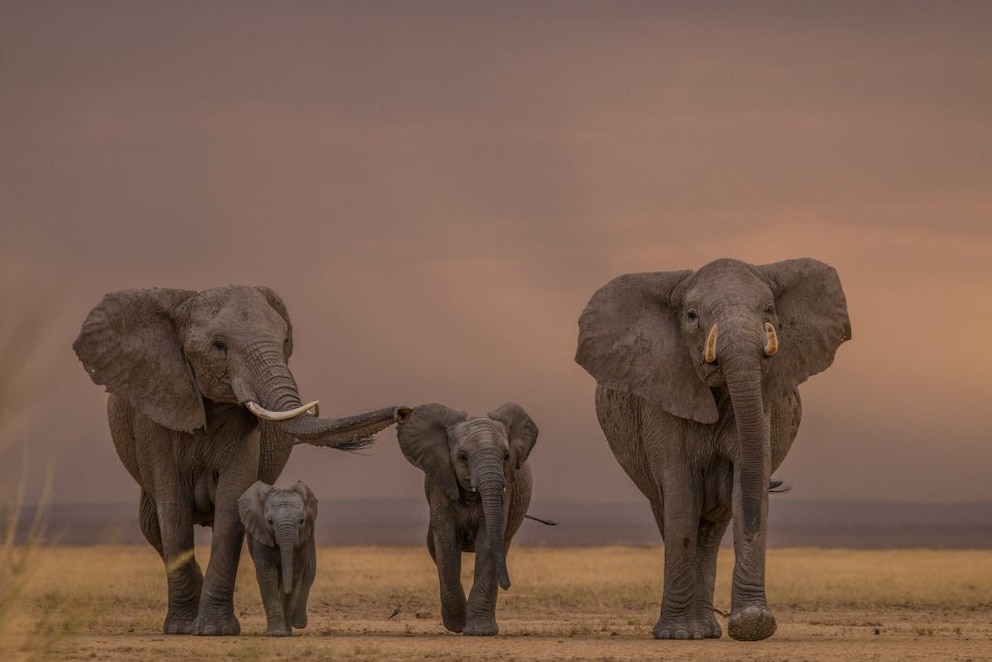
The proverbial elephant memory is no accident. Elephants can memorize paths in the vast African savanna or the Asian jungle extremely well and always find their way back. They can easily recognize other peers after decades. They can also distinguish between humans. But that’s not the only reason they are among the smartest animals in the world. Like many other intelligent animals, elephants can use tools.
For example, they wave branches with their trunks to shoo away pesky flies. Elephants also have high emotional intelligence. They form close family bonds and herds, where the animals look out for each other. Young animals are protectively taken into the center of the herd, and deceased elephants are mourned.
African Grey Parrots Invent New Words
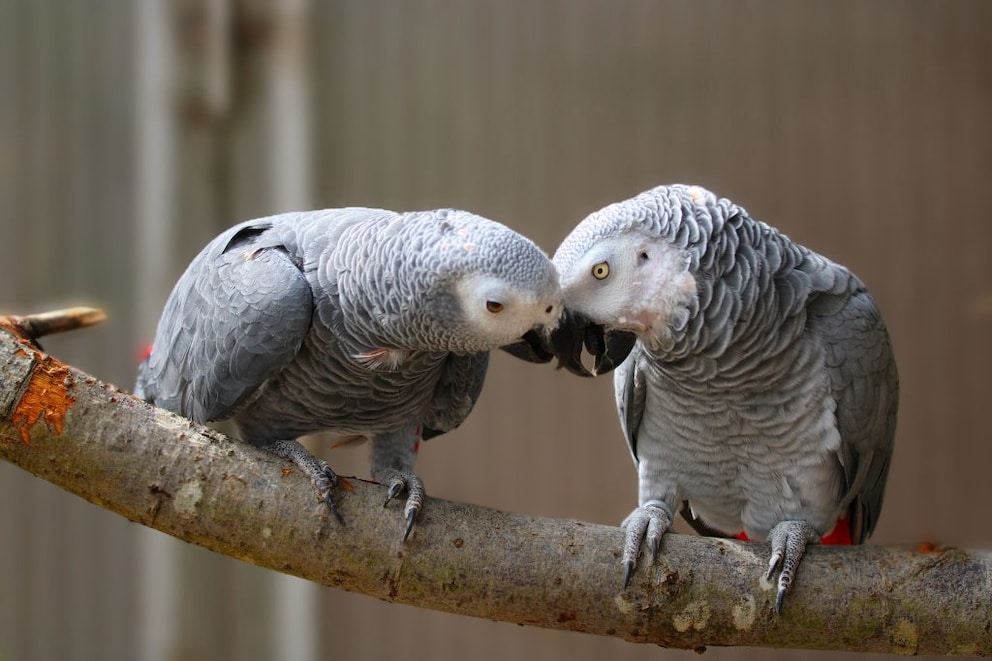
The African grey parrot is particularly charming and highly intelligent. It is considered one of the most linguistically gifted parrots and can easily learn up to 150 words and even combine them in new ways. African grey parrot “Alex,” for example, who was cared for by an animal psychologist, named an apple, previously unknown to him, as “banerry,” a newly combined version of “banana” and “cherry.” He could also urge less linguistically gifted peers to speak more clearly (“talk clearly”).
Crows Can Trick Others
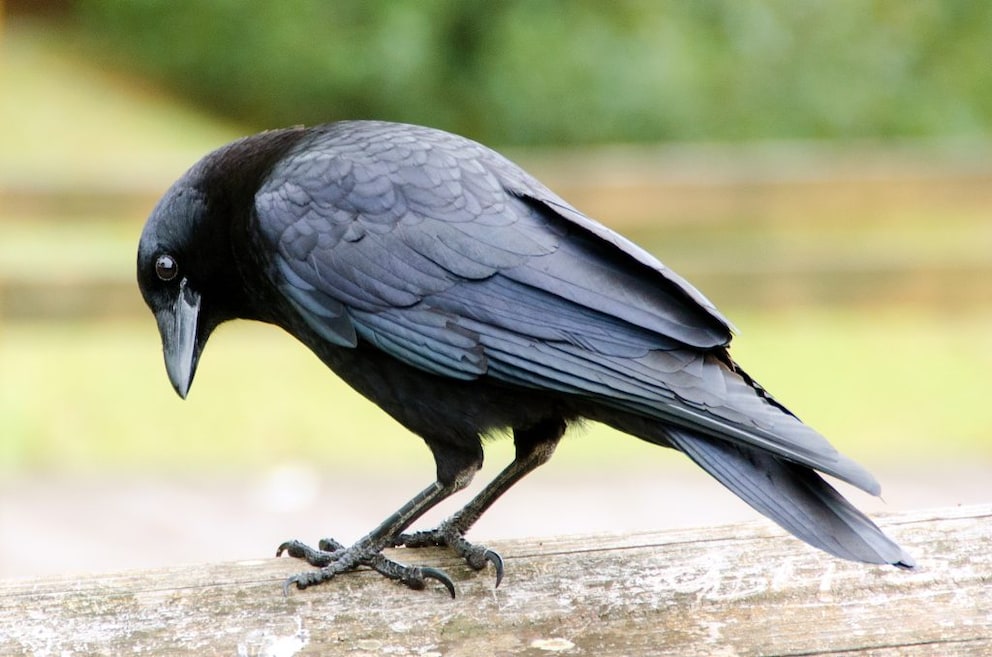
Anyone who has ever observed how skillfully crows and other corvids place nuts or other hard objects on the road to be run over and crushed by cars is not surprised that they are among the smartest animals in the world. They are also capable of deceiving other birds.
Crows, for example, pretend to hide a treat in one place to lead their peers astray. While the others search the supposed hiding spot in vain, the crow has already placed its treasure in another location. Magpies, which also belong to the corvid family, can even recognize themselves in mirrors.

Do Birds Have Consciousness?
Smarter Than Expected! Crows Also Have Consciousness
Pigs Solve Some Tasks Better Than Dogs
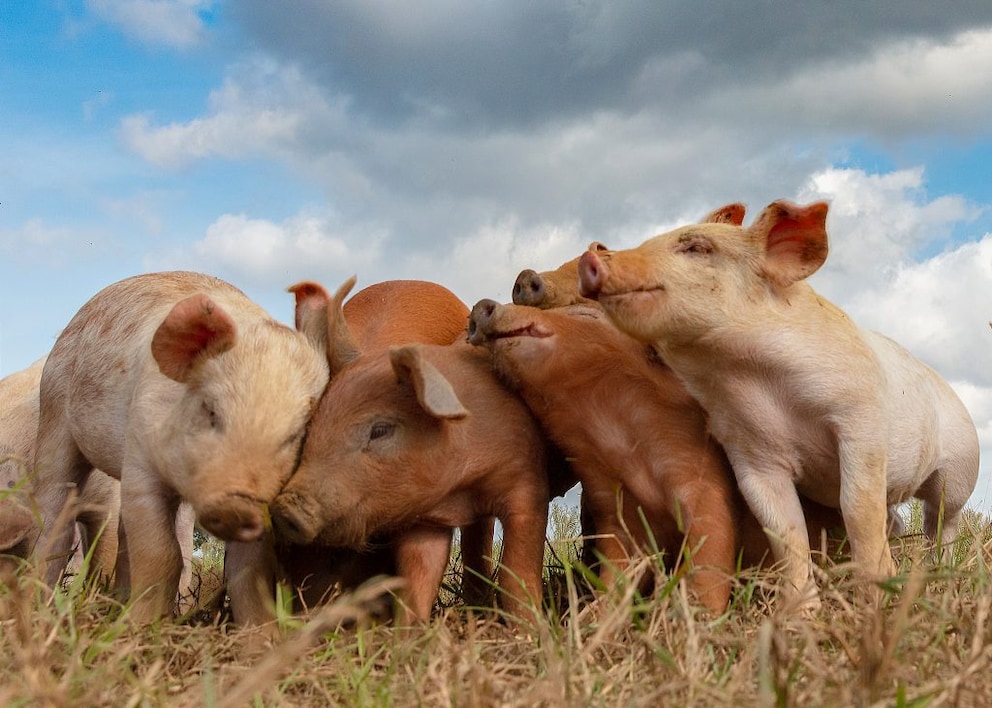
Pigs are considered more intelligent than most dogs. In experiments, pigs could solve tasks more independently. Additionally, the animals can form close and emotional bonds with peers and humans. They also enjoy being petted and can learn small tricks and stunts. Commands like “sit” or responding to their own name are no problem for pigs.
The Horse That Allegedly Could Count
Horses are also considered exceptionally intelligent animals. They can recognize human facial expressions and emotions, learn complex tasks, and react very sensitively to the slightest changes in their environment. In the early 20th century, the stallion “Clever Hans” became famous for allegedly being able to count, read, and write.
It later turned out that the horse wasn’t solving mathematical problems but was unconsciously interpreting tiny signals from its human counterpart—such as minimal changes in facial expressions or body posture. This phenomenon is now known as the “Clever Hans effect” and still plays an important role in behavioral research today. However, the case also shows how extraordinarily attentive horses are to their environment. They are highly intelligent—not because they can count, but because they can remarkably read human body language.