

June 2, 2026, 10:50 am | Read time: 4 minutes
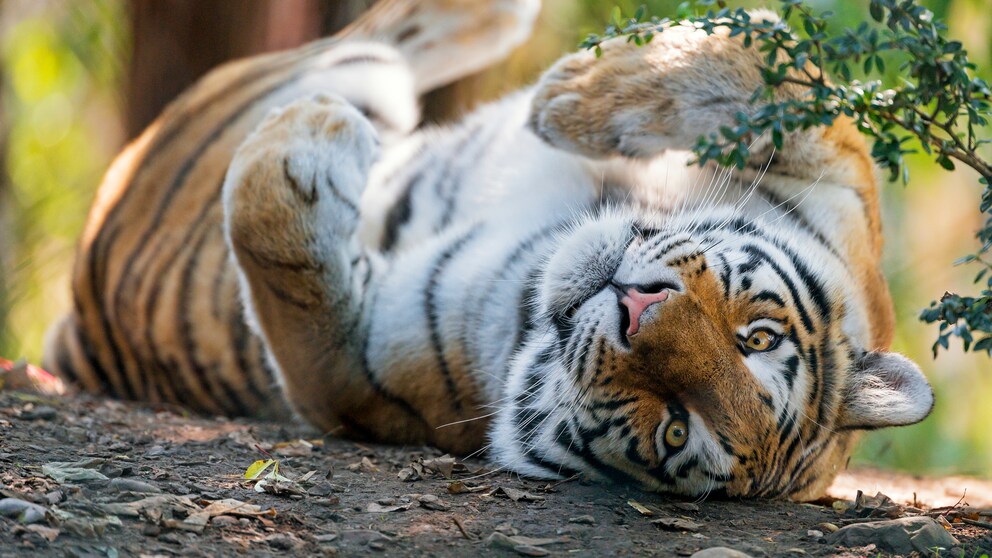
Only about 500 Siberian tigers roam the far east of Russia and small parts of North Korea and China. With a body length of about two meters and a tail more than a meter long, the Siberian tiger is considered the largest wild cat in the world. Accordingly, its prey can be large: In addition to moose, red deer, and wild boars, it even hunts smaller bears. However, habitat destruction and poaching have severely affected this mighty hunter. The International Union for Conservation of Nature IUCN classifies it as endangered.
Overview
Habitat of the Siberian Tiger
The Siberian tiger is also known as the Amur tiger, as its range is limited westward by the Russian-Chinese Amur River. Other tiger species, such as the Bengal tiger or the Sumatran tiger, prefer warm to tropical habitats. Only the Siberian tiger primarily inhabits areas that reach double-digit negative temperatures.
It inhabits both forests and mountainous regions. Dense underbrush seems crucial for the big cat to sneak up on its prey. The Amur tiger claims large territories for itself. The territory of male tigers can cover up to 3,000 square kilometers. Typically, the territories of one male and two females overlap.
Also interesting: The Iberian lynx is one of the rarest cats in the world
Prey of the Siberian Tiger
More important than the habitat itself is the density of its prey. Due to its size and high energy needs, it requires up to ten kilograms of meat a day. Its diet mainly includes moose, red deer, and wild boars.
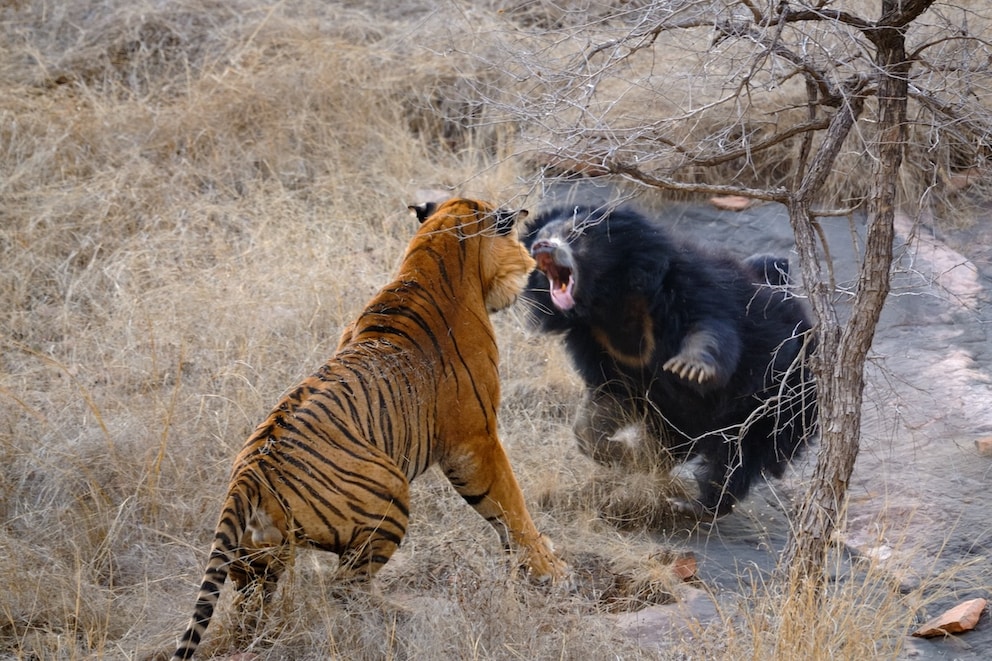
Even bears can fall victim to this mighty hunter: In its range, the Siberian tiger hunts Asiatic black bears and brown bears. These encounters are relatively rare but demonstrate the capabilities of the largest wild cat in the world.
The big cat is mostly active at night. However, it also silently stalks its prey during the day to capture it with a targeted leap. With a bite to the neck, the tiger holds and kills its prey. But only about one in ten hunting attempts is successful. Therefore, the Siberian tiger spends a large part of the day tracking new prey, covering up to 20 kilometers in search.

How Long Do Tigers Actually Live?

Tiger – 7 Fascinating Facts About the World’s Largest Big Cat
Reproduction and Rearing of the Young
Females mark trees with urine and leave clear scratch marks to signal males from surrounding territories that they are ready to mate. Once a pair is formed, they stay together during the mating period and then go their separate ways. The female raises the young alone, and they stay with her until they are four years old and sexually mature enough to go their own way. However, by the age of one, the tiger cubs start hunting on their own to learn the craft as early as possible.
Threats to the Siberian Tiger
Due to its large territorial needs, the Siberian tiger requires nearly endless landscapes to roam undisturbed. Agricultural lands threaten these untouched habitats. Additionally, the tiger is heavily dependent on a high prey density in its territory. Not only its habitat but also that of its prey is increasingly restricted by humans. Moreover, many poorer communities poach in the forests to meet their meat needs with wild animals, competing with the tigers for their prey.
The tiger itself is also repeatedly hunted by poachers. Both its fur and bones are popular hunting trophies. In China, tiger bones and teeth are traditionally used in Chinese medicine, and since 2018, the trade in these has been officially allowed again. The bones of the Siberian tiger are thus a lucrative source of income for poachers, endangering the population of these big cats.
Also interesting: Did you know? That’s why tigers only exist in Asia
Finally, the Siberian tiger is also threatened by forest fires. Fires are deliberately set to make land agriculturally usable, endangering both the Siberian tiger and its preferred prey.
Climate change also makes it more difficult for the Siberian tiger in its range. Weather extremes, such as extremely cold and snowy winters, make hunting difficult for the big cat and further reduce the prey population. Various conservation programs have been trying for decades to monitor the tiger population and maintain it at a higher level. However, the possibilities for combating poaching are limited, especially since the vast habitats of the Siberian tiger are difficult to monitor.