

May 7, 2026, 11:22 am | Read time: 6 minutes
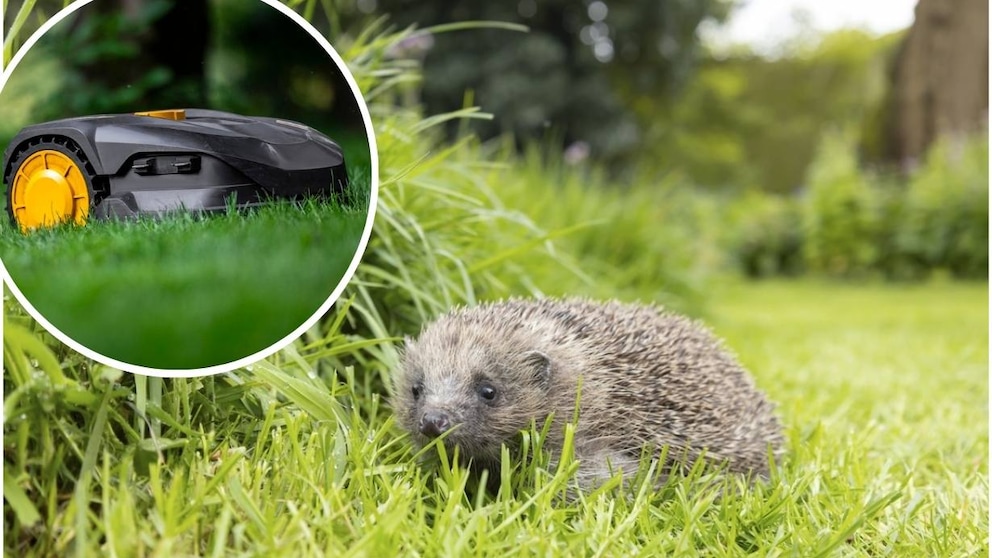
What is practical for the lawn can be deadly for hedgehogs. Robotic lawn mowers pose an underestimated danger to these small wild animals. Especially at night, when hedgehogs are foraging, they often encounter the devices defenselessly. Instead of fleeing, they instinctively curl up when threatened. This behavior protects them from natural predators but not from the rotating blades of the robots. Rescue centers frequently report injured animals suffering severe cuts. PETBOOK spoke with Carina Draken from the emergency station Casa die Riccio – House of Hedgehogs e.V. about the dramatic consequences.
Warning: Trigger Alert! The article contains images of injured and mutilated hedgehogs.
Why Robotic Lawn Mowers Are So Dangerous for Hedgehogs
Robotic lawn mowers operate autonomously, often for hours—even when no one is in the garden. For small wild animals like hedgehogs, this becomes a problem. Although they are small and slowly move across the lawn, the devices do not reliably detect all obstacles. Especially small animals, which often lie low in the grass and curl up, are overlooked by the mowers.1
“Robotic lawn mowers often give the impression that they can detect hedgehogs, or they are even advertised as such. However, a study by the Leibniz Institute in Berlin found that there is no robotic lawn mower that can detect hedgehogs,” says Carina Draken from the emergency station Casa die Riccio – House of Hedgehogs e.V. to PETBOOK.
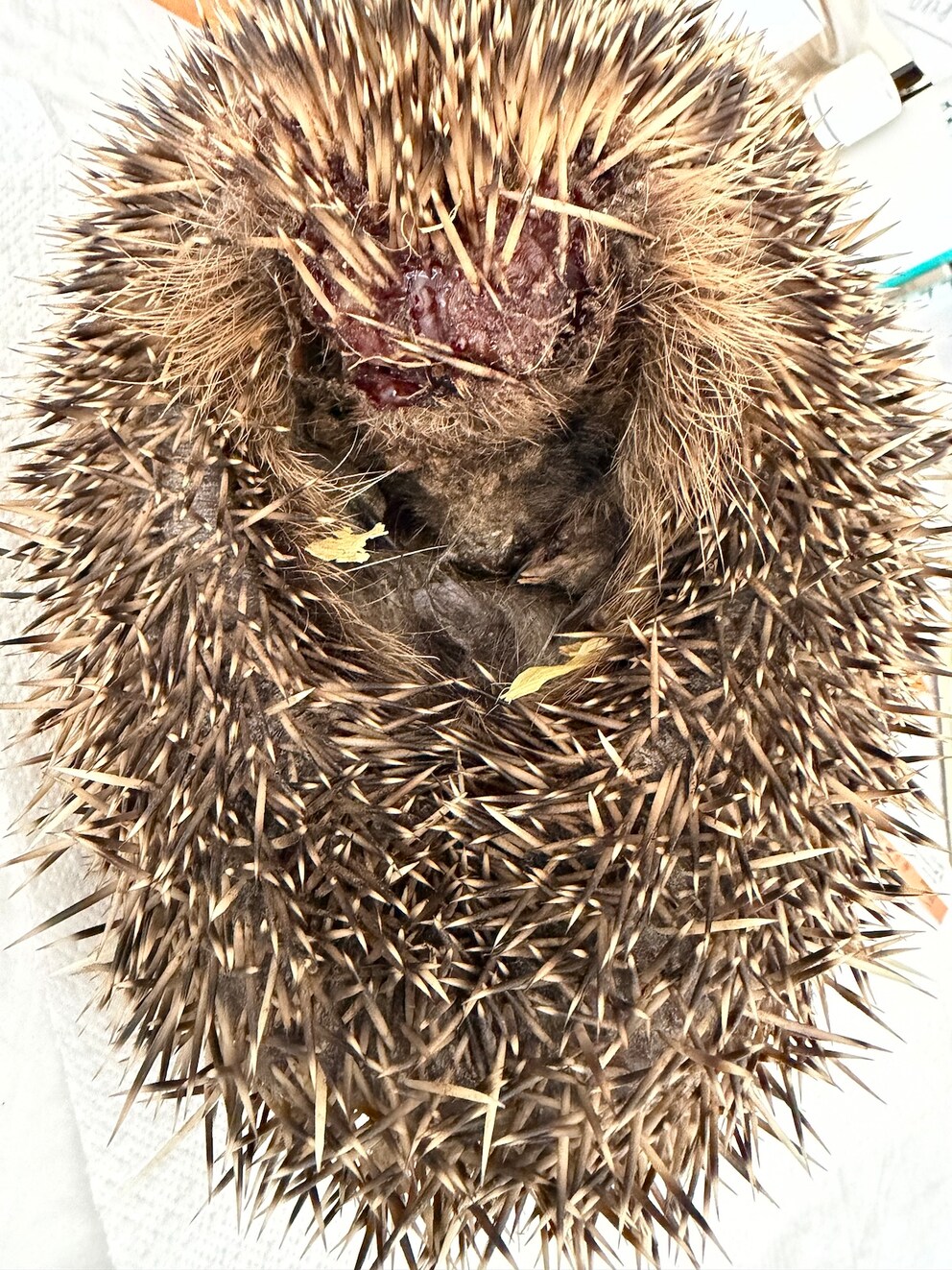
As a result, the robotic lawn mower can hit or partially run over a hedgehog. The rotating blades on the underside of the device inflict severe cuts on the wild animal, such as on the back, head, snout, or legs.
This danger is also evident in Carina Draken’s work: “Most often, we deal with injuries from robotic lawn mowers and edge trimmers,” she explains.
Hedgehogs Do Not Flee When Threatened
Hedgehogs are not typical flight animals. When they sense danger, they usually do not run away but instead curl up and raise their spines. This behavior can protect them against foxes, dogs, or other natural predators. However, they stand no chance against technical devices. With robotic lawn mowers, this instinct becomes a problem. The hedgehog remains still, curls up, and waits while the device continues to approach.
At Least One Injured Hedgehog Daily
The extent of the problem is evident in practice. “This year, we have already had 32 hedgehogs with cut injuries from robotic lawn mowers and edge trimmers, consistently since January 1, 2026. Now that the gardening season is starting, it’s at least one per day,” reports the expert. On the Instagram profile of House of Hedgehogs e.V., Carina Draken regularly provides insights into the cases and shows how frequent and severe the injuries actually are. In her emergency station alone, over 190 hedgehogs had to be treated by early May 2026.
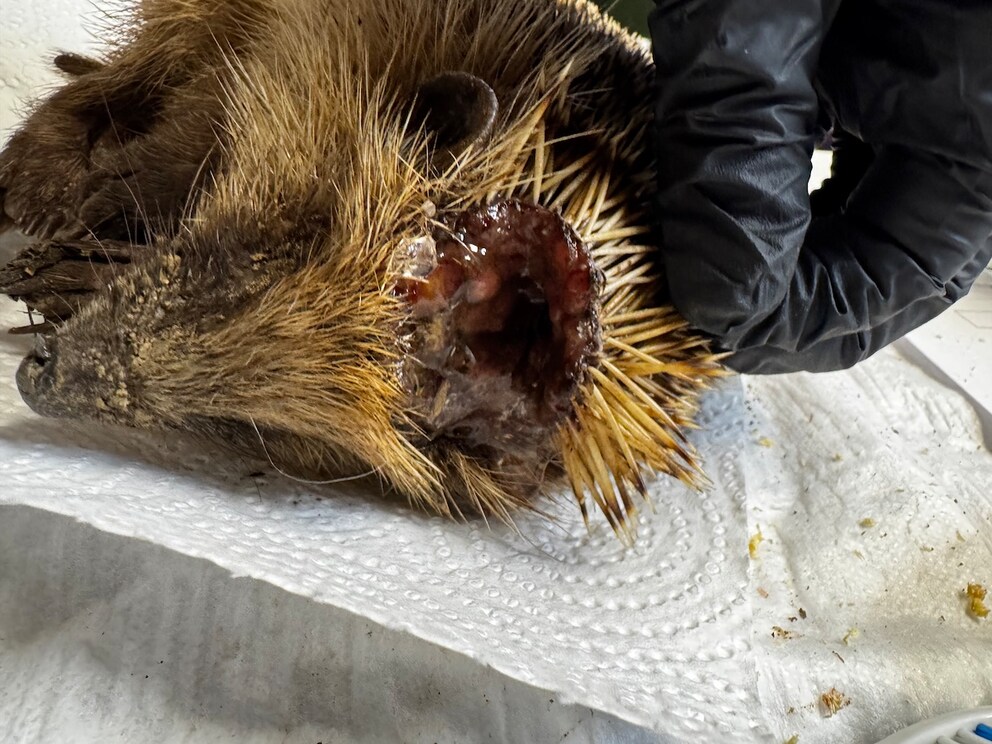
The injuries are often severe and cause great suffering for the animals. “Cut injuries to the back, forehead, and limbs are common. We also frequently see severed limbs,” says Draken. The sharp blades of the devices usually hit the animals unprotected and can leave deep wounds that become life-threatening without quick help. The injuries often become infected, for example, when flies lay their eggs in them.2
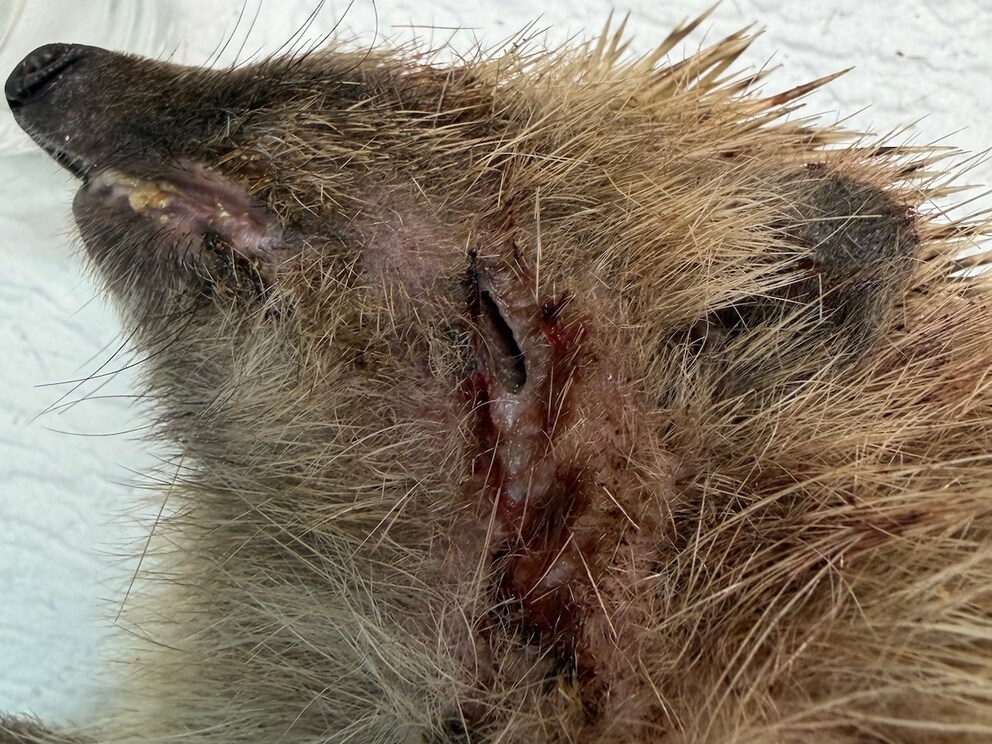
One case was particularly memorable for Draken: “A case from last year, where a baby hedgehog’s nose was severed, remains vividly in my memory.” Such injuries not only cause acute pain for the animals but often also mean they are permanently impaired in foraging or orientation.
Whether an animal survives such an accident depends greatly on its condition. “The survival chance is good for hedgehogs that were in good general condition beforehand. The wounds usually heal well. They often need to be stitched, and even then, they heal well. However, since the hedgehogs are usually already weakened by hunger and thirst, the chance is 50 percent.”
Also interesting: Hedgehogs need year-round support – here’s how to help properly

Danger to Animals – Use Robotic Mowers with Caution

Hedgehogs Need Year-Round Support–Here’s How to Help
These Mistakes Many Garden Owners Make
A common mistake is using robotic lawn mowers at the wrong times of day. In the evening, at dusk, or at night, hedgehogs are particularly active and foraging in the garden. Many garden owners run their devices precisely then, unknowingly increasing the risk for the animals.3
But even during the day, the danger is not averted. “Never let robotic lawn mowers run unattended, not even during the day, as weak and hungry hedgehogs and mothers with babies are out and about,” warns Carina Draken.
In addition to robotic lawn mowers, grass trimmers, edge trimmers, or other devices are also a danger. They are often used in areas that are difficult to see, such as under hedges, in bushes, or at the edges of flower beds. This is exactly where hedgehogs retreat during the day. But it doesn’t stop there: “A high number of hedgehogs injured by mouse and rat traps has also been added.”
How to Protect Hedgehogs in the Garden
To protect hedgehogs, it is crucial to be attentive and maintain a nature-friendly garden design. “A hedgehog-friendly approach is only possible under constant supervision. You need to be nearby to quickly stop the robot. It’s best to mow yourself,” says Draken.
She also recommends deliberately designing the garden to be nature-friendly: “Create wild corners in the garden so that insects and beetles, which are food for hedgehogs, also have a chance.” The expert further explains that hiding places can be created for hedgehogs. “Benjes hedges, for example, are both a home and a buffet,” says Draken.
If you find an injured hedgehog, you should act quickly. “First, secure the hedgehog in a box. Handle the animal with gloves or an old towel. Keep the box out of the sun and protect it from flies. Then seek help from a nearby wildlife or hedgehog station.” It is also important to offer the animal only water. Milk is not suitable, as hedgehogs are lactose intolerant.