


December 12, 2025, 12:21 pm | Read time: 3 minutes
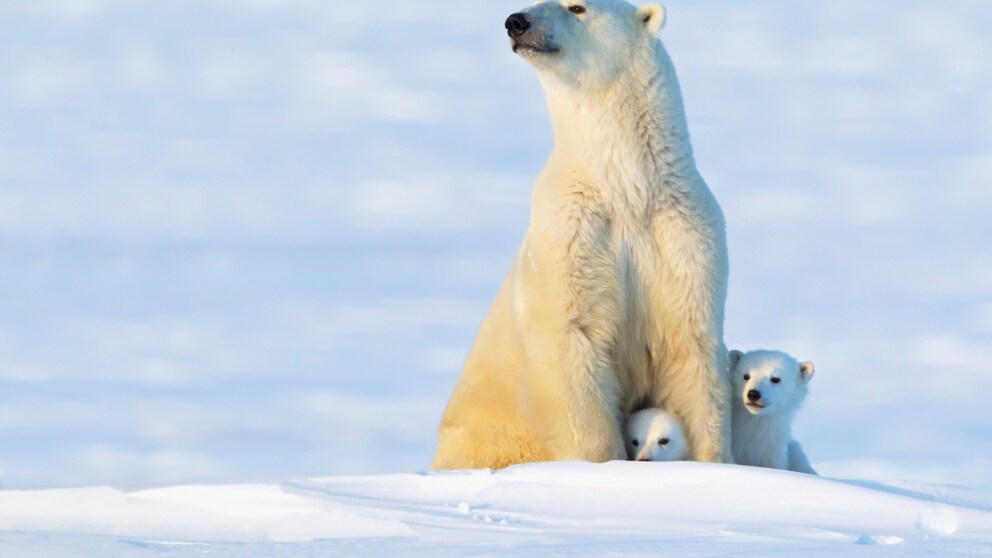
Amid a rapidly warming world, concerns about the survival of polar bears are growing. However, a study provides initial evidence that certain populations of polar bears are adapting to a warmer climate. Yet what initially seems hopeful also carries a serious warning.
Genetic Reaction to Rising Temperatures
A research team from the University of East Anglia has discovered that certain genes of polar bears in southeastern Greenland behave differently than those of their counterparts in the colder northeast of the country. The study focused on so-called “jumping genes”—mobile elements in the genome that can influence the activity of other genes.
“DNA is the instruction manual in every cell that dictates how an organism develops and grows,” explained lead researcher Dr. Alice Godden to the British newspaper “The Guardian.” “By comparing the active genes of these bears with local climate data, we found that rising temperatures apparently cause a dramatic increase in the activity of these jumping genes in the DNA of bears from southeastern Greenland.”
Adaptation to Warmer Living Conditions
The analysis of blood samples showed that genetic changes are accumulating in polar bears, especially in regions with higher temperatures and greater climate variability. This is the first statistically significant link between warming and genetic change in wild mammals, according to the authors. The researchers’ findings were published in the genetics journal “Mobile DNA.”1
The genes that were particularly active are associated with heat stress, aging, metabolism, and fat processing, according to the study. These are crucial factors as polar bears must adapt to shrinking sea ice and a changing food situation.

Why Mammoths and Saber-Toothed Tigers Were So Huge

These Brown Bears in Italy Have Become “Tame” Due to Human Interaction
Polar Bears Rewrite Their DNA
“This discovery is important because it shows for the first time that a unique group of polar bears in the warmest part of Greenland uses ‘jumping genes’ to rapidly rewrite their own DNA—possibly a desperate survival mechanism in the face of melting sea ice,” said Godden.
In southern regions, polar bears are increasingly feeding on plants and less fatty foods, while their northern counterparts rely on a fat-rich seal diet. The genetic changes could help the southern animals better cope with the new diet. The researchers also found several genetic “hotspots” located in regions of the genome that encode proteins, indicating profound genetic restructuring.
“Does Not Mean Polar Bears Are Less Threatened with Extinction”
According to the authors, the findings could help better understand how polar bears adapt to climate change, which populations are particularly at risk, and how conservation measures can be specifically improved.
The next step is to genetically examine other polar bear populations worldwide, totaling 20, to determine if similar processes are occurring there.
Despite the new insights, the researchers urge caution. The genetic adaptations are not a free pass for the species’ survival. “We must not become complacent; it offers some hope but does not mean polar bears are less threatened with extinction,” said Godden. “We must continue to do everything possible to reduce global CO₂ emissions and slow the temperature rise.”