

February 19, 2026, 4:08 pm | Read time: 3 minutes
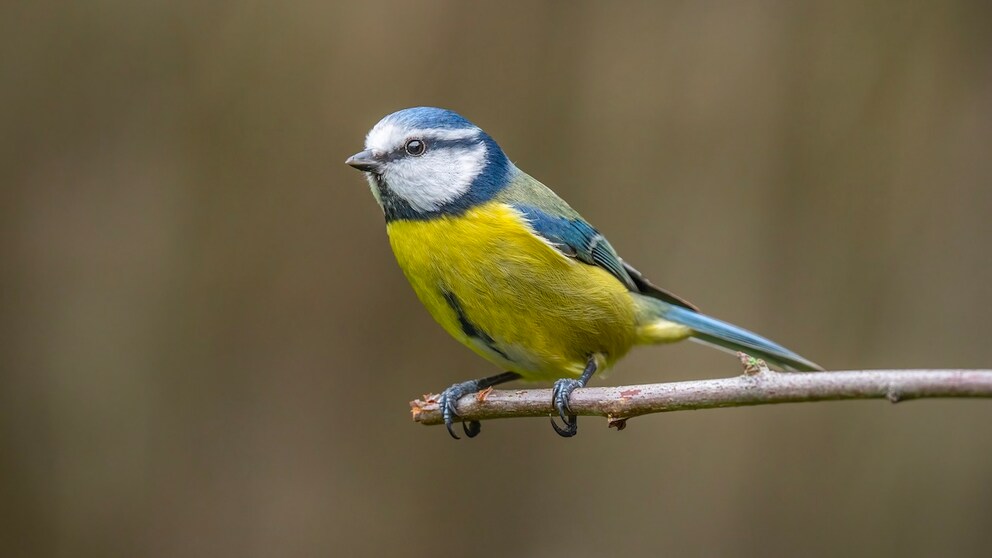
Anyone looking out the window with a cup of tea in the morning will almost immediately spot them: small birds hopping from branch to branch or feeding at bird feeders. The great tit and blue tit are among the most common garden visitors–and they captivate with their bright colors. Yet, despite their liveliness, one question arises: How old do tits actually get? The answer is surprising and reveals how tough the life of these small songbirds really is.
How Old Do Tits Get?
On average, these small songbirds live to be about two to three years old, sometimes even five. Under optimal conditions and with little threat from natural predators, tits can occasionally reach an age of up to ten years.1
Their year follows a set rhythm: As early as late winter, they begin searching for a suitable nesting site and a mate. In spring, the nest is built, usually well-hidden in tree cavities, nest boxes, or dense structures. Shortly after, the female lays several eggs, which are incubated for about two weeks. After hatching, the young birds are initially naked and helpless. Both parents are now busy bringing in enough food. Just a few weeks later, the young leave the nest.2
The actual lifespan of tits depends on various factors: food availability, weather conditions, habitat, and predators play a crucial role. Particularly harsh winters, environmental changes, and natural enemies take a toll on the small birds. However, in gardens rich in structure with additional food sources, their chances of survival increase significantly.
Why Some Tits Die So Early
The reason many tits do not reach an old age is mainly due to the first, particularly dangerous months of life. Young birds are inexperienced, not yet fully strong, and easy prey for predators such as birds of prey or cats. Bad weather can also be fatal: Persistent rain or cold snaps in spring make it difficult to find food, so there are not enough insects available. Added to this are shrinking habitats, environmental pollution, and limited food supply–especially in winter.

Feeding Isn’t Enough: What Sparrows Really Need

Interesting Facts About Chickadees That You Didn’t Know Yet
The Tit Die-Off of 2020
In the spring of 2020, many people noticed an unusual phenomenon: Numerous dead tits were found in gardens. This was particularly remarkable because sick or dying birds usually retreat to hedges or dense bushes to die unnoticed. The sudden visibility of so many birds caused concern.
The cause was identified as the bacterium Suttonella ornithocola, which causes severe pneumonia. Affected birds appeared apathetic, fluffed up, and showed little escape behavior. However, there was no danger to humans and pets.3
How to Protect Tits
To help tits in the long term, one should primarily focus on their habitat. Preserving forests, hedges, and natural green spaces is crucial for the birds to find enough nesting sites and food. Much can also be done in one’s own garden–such as planting native plants, reducing paving, and avoiding pesticides.
Additionally, education plays an important role: The more people know about the needs of songbirds, the more likely protective measures will be supported. Lastly, clean air, unpolluted water, and a conscious use of resources contribute to sustainably improving the living conditions for tits.