

November 2, 2025, 3:07 pm | Read time: 4 minutes
As soon as temperatures drop, unpleasant encounters with a particularly persistent intruder increase: stink bugs. Many people are disgusted by these insects, but fortunately, they are harmless to humans. But what happens when a dog or cat encounters stink bugs or even swallows them?
Why Stink Bugs Often Enter Homes in the Fall
As it gets colder outside, stink bugs begin searching for a sheltered place to overwinter. In many regions of Germany, this leads to a noticeable increase in insects indoors during the fall. The bugs prefer warm and dry hiding spots, which is why window frames, roof gaps, or shutter boxes are popular entry points.
The German Nature Conservation Association (NABU) states that nearly 1,000 species of bugs can now be found in Germany, partly due to climate change. The increasingly mild winters allow even Mediterranean species to settle permanently in Central Europe.
According to NABU, the Green Stink Bug and the Gray Garden Bug are particularly common. Starting in May, females lay their eggs—up to 450 per bug. By late summer, the young bugs actively seek suitable shelters in buildings.
No Danger—But a Strong Odor
While stink bugs may disgust many people, they are not dangerous. They neither bite nor transmit diseases, nor damage furniture and supplies. However, their presence should not be ignored, mainly because of their namesake: “When threatened, they release a strongly smelling secretion.”
Are Stink Bugs Dangerous for Pets?
Stink bugs pose no health risk to dogs and cats. The insects are not poisonous. If contact occurs—such as when a dog or cat bites a bug—it remains an unpleasant experience: The secreted substance smells strong and can taste unpleasant.
While the secretion can get into the eyes or mouth during grooming and cause irritation, serious consequences are not expected. Allergic reactions are also rare and more likely to affect sensitive individuals than animals. Repeated contact is generally unlikely—pets quickly learn from the unpleasant encounter.
How to Identify the Bugs
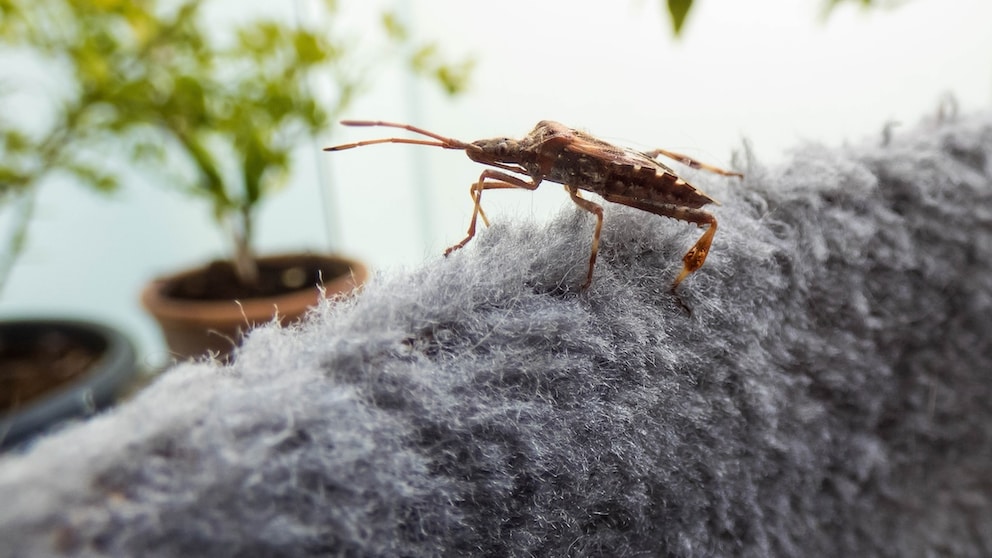
The Green Stink Bug (Palomena prasina) is one of the most widespread native species. Its green shell color makes it easy to recognize in spring—but in fall, its appearance changes: The shell turns brown, providing better camouflage from predators. The bugs grow between 12 and 14 millimeters, making them not always easy to spot.
Why Stink Bugs in the House Are a Warning Sign
The fact that stink bugs can enter the interior is often due to gaps in windows, doors, or the roof area. These weak points are not only entryways for insects—they also cause unnecessary heat loss. Because: Where insects can get through, heating warmth escapes too—with negative effects on the energy balance.
Experts, therefore, recommend sealing potential entry points with caulk or suitable materials. This not only prevents the bugs from entering but also reduces energy consumption.

Cat Fur Smells Nice, but Mouth Stinks–Why?

These Insects Can Be Life-Threatening for Cats
How to Get Rid of Stink Bugs
What you should never do: crush or vacuum stink bugs. Both actions cause the characteristic odor to quickly spread throughout the room—either through the vacuum cleaner’s exhaust or because the secretion remains on surfaces.
The better method is quite simple: Place a glass over the bug, carefully slide a piece of paper underneath, and take it outside. Alternatively, a soft broom can be used to sweep the bug out the window. A quick intervention can be crucial because: A single bug can lay hundreds of eggs—leading to a new generation.
Effective Prevention Measures
To keep stink bugs away permanently, it’s best to focus on consistent prevention. Windows and doors should remain closed or be equipped with fine-mesh insect screens. Caution is also advised when airing out in the evening: Turn off the lights—because brightness additionally attracts the bugs.