October 28, 2026, 3:39 pm | Read time: 6 minutes
On Halloween, you don’t have to look far for creepy creatures. Nature itself has produced some creatures that filmmakers could draw inspiration from: with vampire teeth, alien noses, or a jaw that shoots out of the mouth. PETBOOK presents seven animals that look like they’re straight out of a horror movie and explains the real story behind their bizarre appearance.
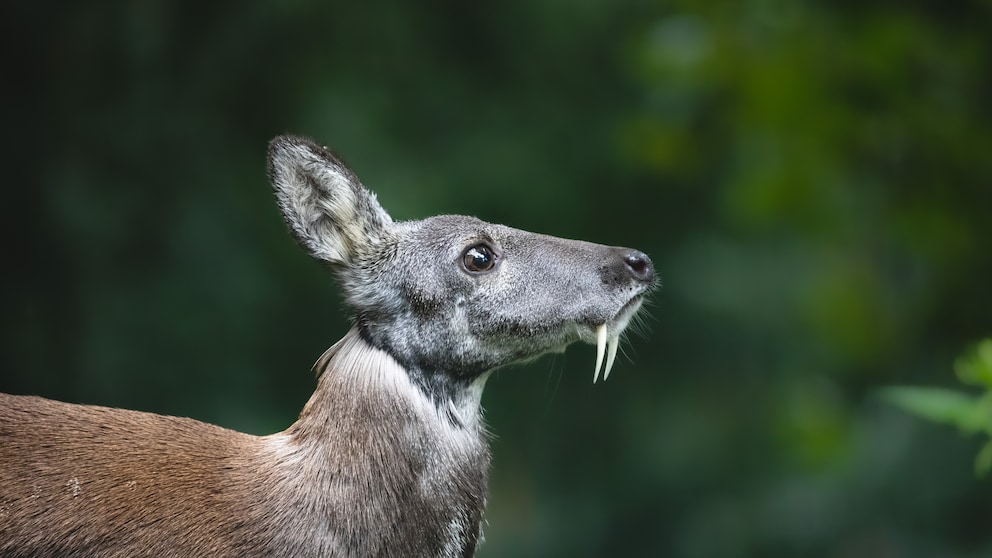
1. The Siberian Musk Deer Has Vampire Teeth
The Siberian musk deer, as seen on the cover image, is a shy forest dweller that feeds on lichens and leaves and lives in the forests of East Asia up to 3,000 meters high. It’s generally an inconspicuous wild animal with an absurd feature. The males have elongated canine teeth that can grow seven to ten centimeters long and protrude far below the upper lip. They serve as weapons in fights among rivals. In females, the teeth are significantly smaller and not as visible from the outside.
However, their appearance does not protect them from being hunted. The males are highly sought after for their musk gland. The fragrance, which in nature attracts females during mating season, is used by humans for perfume and soap. According to WWF, more than 90 percent of the musk traded worldwide goes into Asian medicine. The Siberian musk deer is therefore considered endangered by the International Union for Conservation of Nature (IUCN).1,2
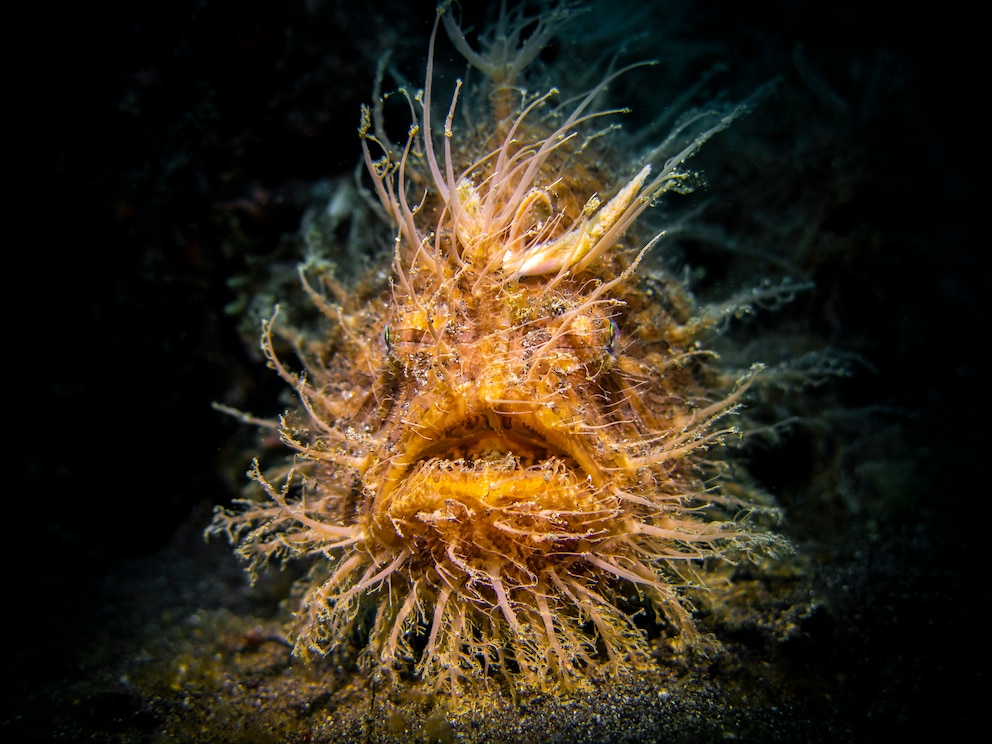
2. The Frogfish Is a Master of Camouflage
It looks like a piece of reef, a sponge, or a pile of algae: the frogfish. A relative of the anglerfish, it is so well camouflaged that it is easily mistaken for stonefish, broken corals, or seagrass. The first ray of its dorsal fin is transformed into a lure that resembles a shrimp or a worm.
Then it happens in a flash: opening its mouth and sucking in prey takes just six milliseconds. Because its stomach is very expandable, the prey can even be larger than the fish itself. The frogfish can hardly swim; it crawls and climbs over the ground on its front fins. There are about 50 species in 12 genera, growing up to 35 centimeters long.3
3. The Vampire Bat Finds Blood with a Heat Sensor
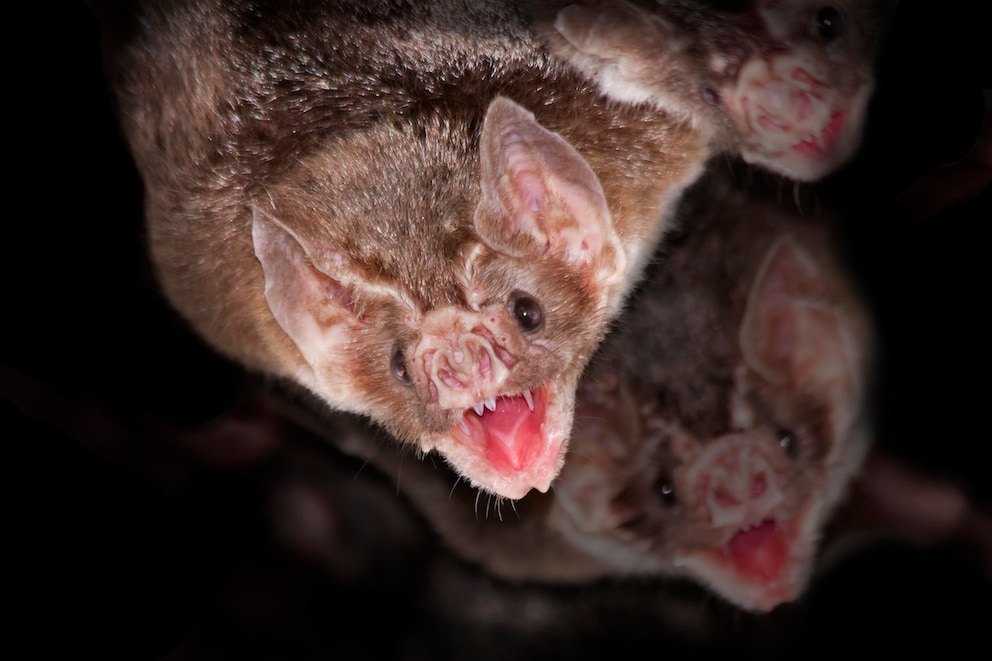
Yes, they really exist–bats that drink blood. Of the three species, the common vampire bat is the most well-known. It lives only in the area from Mexico to South America, with a wingspan of 35 to 40 centimeters, about the size of a hand, and weighs up to 50 grams. Its victims are usually large mammals such as cattle, goats, or horses; humans are rarely bitten.
A protein called TRPV1 in its nose detects infrared heat and helps the bat find blood vessels just under the skin. In other animals, it reacts only at about 43 degrees Celsius, but in the vampire bat, it reacts at around 30 degrees. Its saliva contains a secretion that acts like a local anesthetic, allowing the victim to remain undisturbed. It also poses a health risk: bite sites can become infected, and the animals can transmit diseases such as rabies.4,5,6
Also interesting: Are there blood-sucking bats in Germany?
4. The Crested Macaque Became the Selfie Monkey
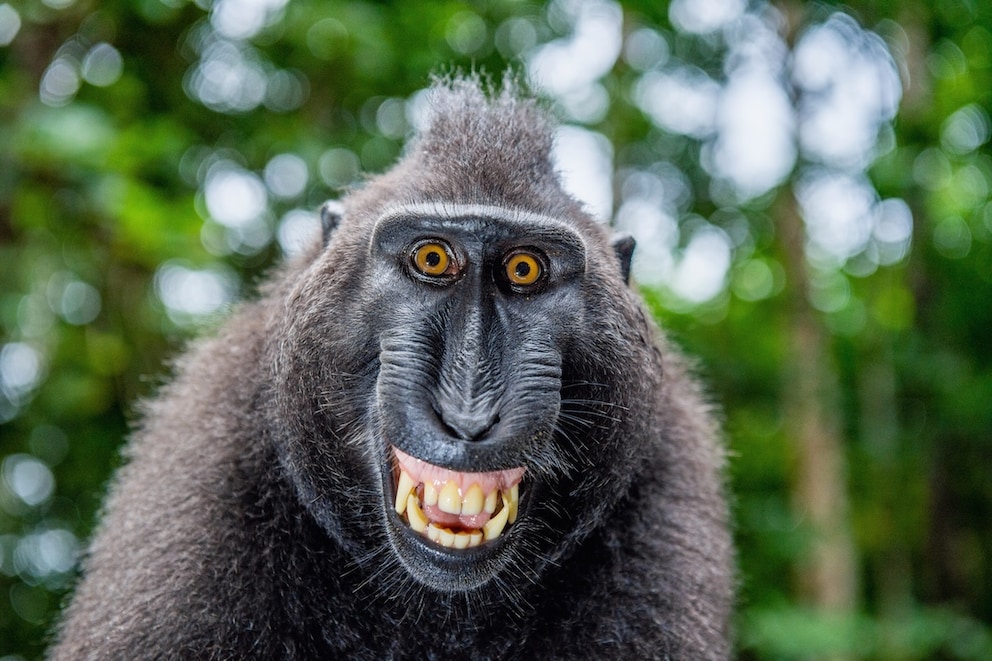
With its black fur, tuft of hair on its head, and amber eyes, the crested macaque (Macaca nigra) appears more imposing than creepy at first glance. It lives only on the Indonesian island of Sulawesi and became famous when a male named Naruto grabbed a British photographer’s camera in the Tangkoko Nature Reserve and took selfies. This led to a legal dispute in the U.S. over whether the animal holds the copyright. A judge dismissed this claim.
The species is considered critically endangered. Populations have declined by more than 80 percent over four decades, from about 300 animals per square kilometer in 1980 to 45 in 2011. About 2,000 animals still live in the 8,800-hectare Tangkoko Reserve, with an estimated 3,000 in the rest of the province. They are threatened by habitat loss and hunting, as they are eaten.7,8
5. The Star-Nosed Mole Has a Nose Like an Alien
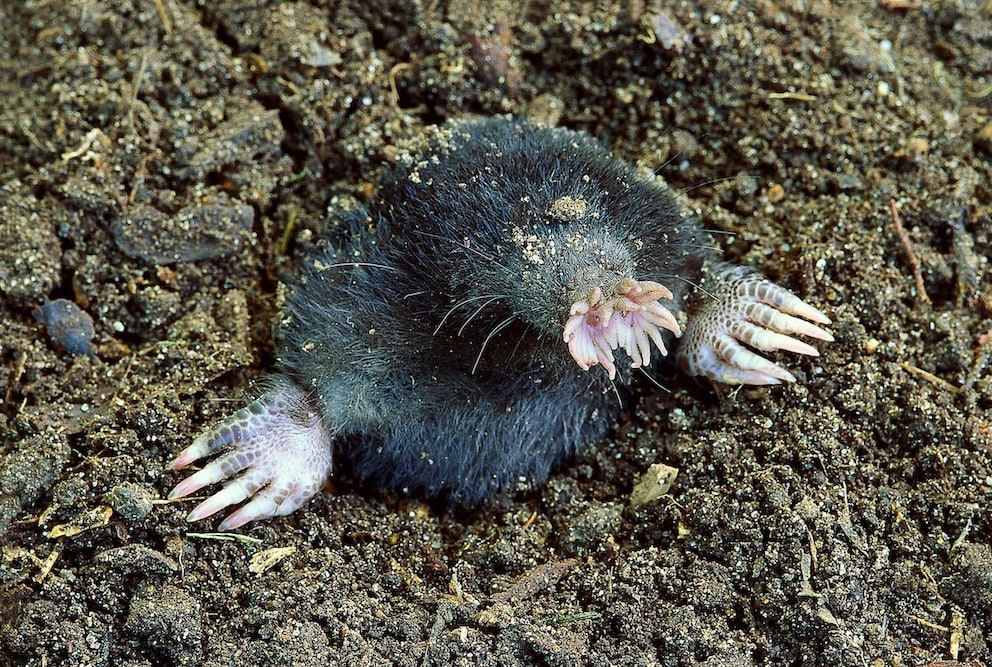
Pink tentacles instead of a nose: the star-nosed mole has around its nostrils 22 finger-like tentacles. It lives underground in moist soils of southeastern Canada and the eastern U.S. and is nearly blind. Its sense of touch is impressive. Each tentacle is covered with about 25,000 sensory receptors, known as Eimer’s organs. The tentacles are connected to the brain by about 100,000 nerve fibers; in the human hand, there are about 17,000.
This makes the star-nosed mole a record holder. It finds, identifies, and swallows its prey in under 130 milliseconds, making it the fastest eater among mammals. It can also smell underwater by exhaling and inhaling air bubbles.9,10
The Coolest Vampire Animals–From Real Bloodsuckers to Eerie Namesakes

11 Mythical Creatures That Actually Exist
6. The Goblin Shark Shoots Its Jaw Forward
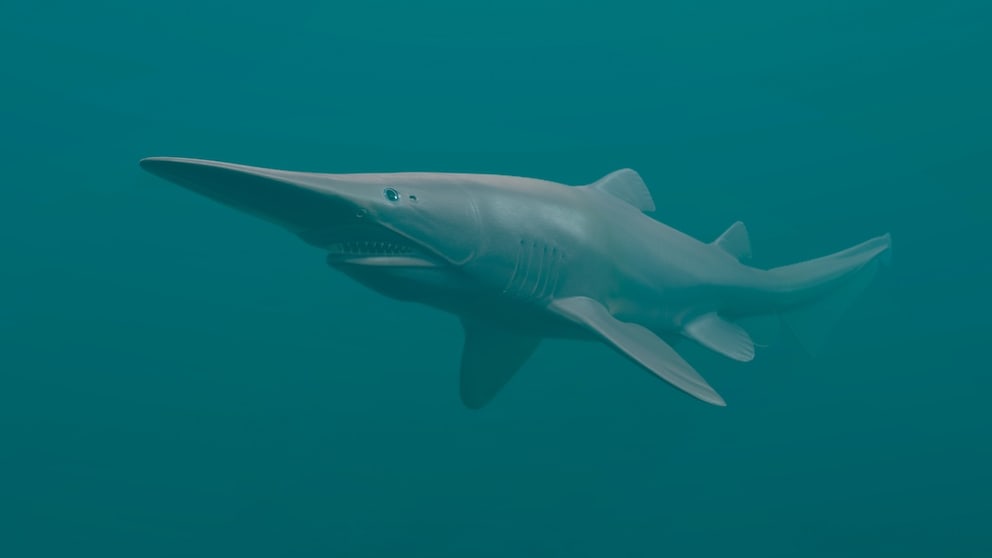
Pink skin, a long, flat snout, and nail-like sharp teeth–the goblin shark looks like an alien from the deep sea. Its skin shimmers pink-white because the blood vessels show through, and the fins are bluish-gray. It catches prey such as crabs, shrimp, fish, and squid by shooting its jaw forward.
The shark is rarely seen. It has mostly been observed at depths of 270 to 960 meters, with the deepest known specimen at 1,300 meters. When fully grown, it reaches three to four meters in length, and its lineage dates back about 125 million years. The International Union for Conservation of Nature classifies it as not endangered.11,12
Also interesting: These are the 8 creepiest deep-sea fish
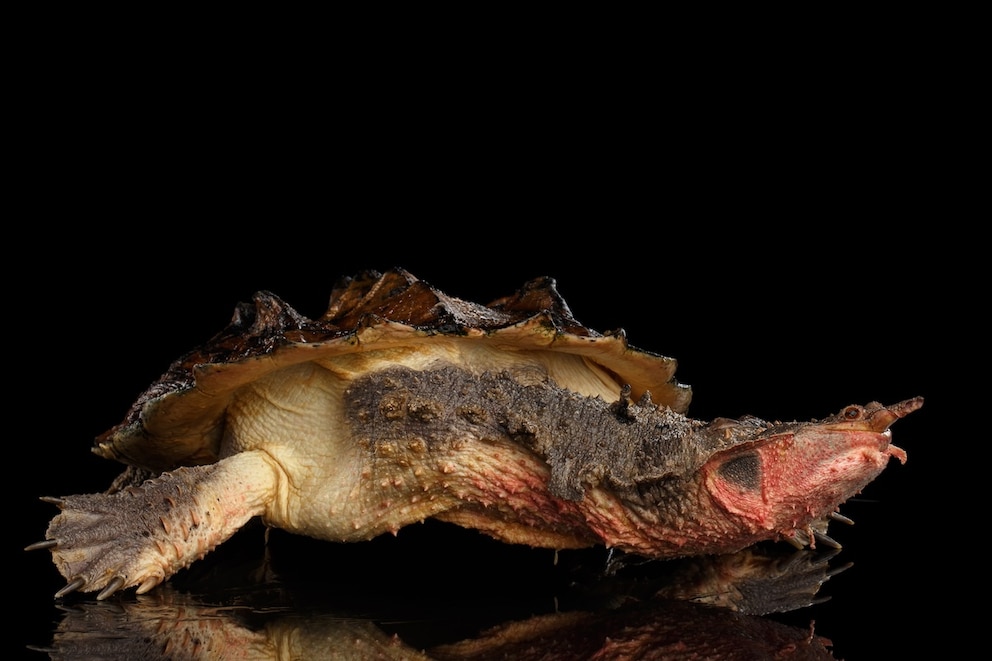
7. The Matamata Looks Like a Mossy Stone
The matamata is a turtle that is hardly recognizable as an animal. Its shell is rough and overgrown with algae, making it look like an old, crusty stone. Its head and neck are long, flat, and fringed, hence the scientific name Chelus fimbriatus. On top of its snout are two very small eyes, below which is a wide mouth.
It lives in the Orinoco and Amazon rivers, in muddy, shallow waters, and lies in wait, especially at night. Its shell can grow up to 45 centimeters long, and the animal can weigh up to 17 kilograms. Its prey consists of fish and invertebrates in freshwater, occasionally small animals or birds that come to the water.13,14