

September 24, 2026, 11:04 am | Read time: 7 minutes
In the animal kingdom, there are numerous skittish animals, and many so-called flight animals have developed their own tactics to handle precarious situations. While a certain breed of goat faints spontaneously from fright, chickens can even die from fear in extreme cases. PETBOOK reveals the strategies other animals use and why ostriches don’t actually bury their heads in the sand in an overview of 11 particularly skittish animals.
These 11 Animals Are Particularly Skittish
Ostriches
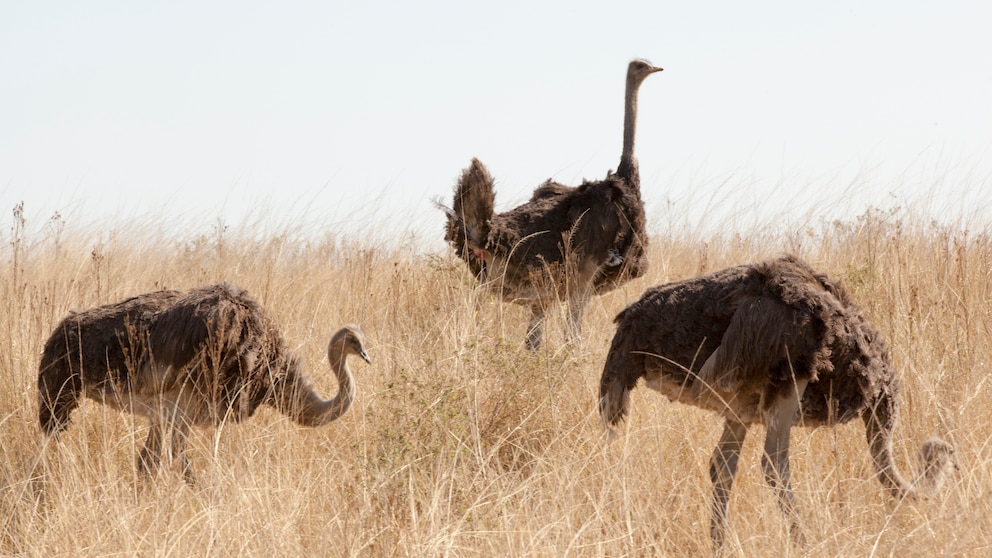
Let’s start with the most prominent example of a skittish animal and clear up a common misconception. Ostriches are generally considered skittish, but it’s a myth that they bury their heads in the sand when they feel threatened. Instead, these large flightless birds lay their heads on the ground to detect movements of predators in the vicinity. Once they identify a potential threat, these flight animals run away at a record-breaking speed of up to 43 mph. No other flightless bird is faster.
The misunderstanding that ostriches actually bury their heads in the sand likely originates from colonial times. Europeans visiting Africa for the first time genuinely believed the animals would bury their heads in the hard ground of the grasslands–although this would hardly be possible without a concussion. This notion initially led to the saying and later the “ostrich tactic,” which is considered a measure of simply ignoring unpleasantness in the hope that it will pass.
In the “Looney Tunes” cartoons, we encounter the most famous ostrich in pop culture. Even there, the Roadrunner escapes his rival Wile E. Coyote more by running away than by burying his head in the sand. However, even the fast cartoon bird with the “Meep Meep” couldn’t dispel the myth.1
Chickens
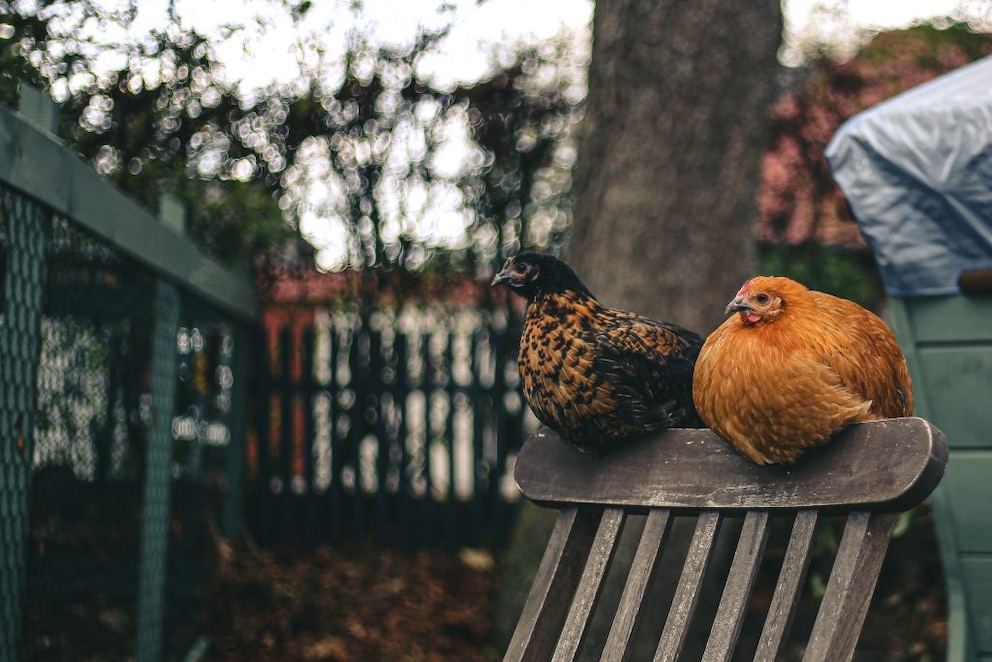
Chickens are considered very skittish animals that often run away frantically when in danger. A common, scientifically studied phenomenon in these animals is “sudden cardiac death.” Researchers suspect that stress significantly contributes to their unexpected deaths.
Studies have also found that overly bright lights and crowded coops can lead to their demise. Startled chickens can even fall into a state of mass panic. However, the animals do not exhibit this flight behavior from birth, as chicks develop it only once they are no longer protected by the hen.2
Iguanas
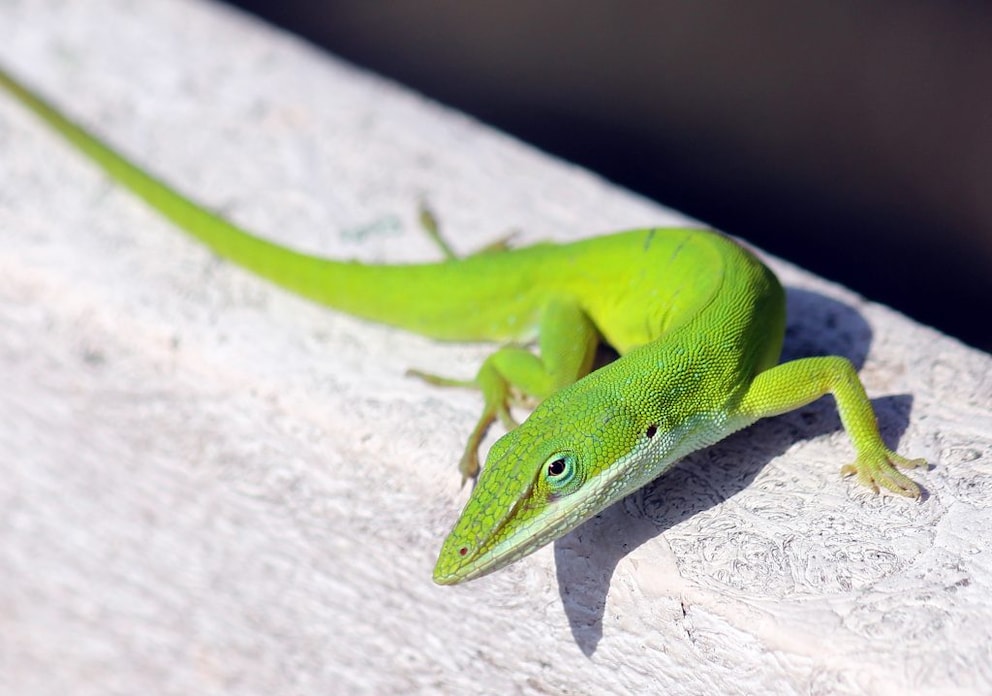
Like most lizards, iguanas can shed their tails when stressed. This phenomenon is also known as autotomy. The tail of these skittish animals twitches for about 20 minutes after being shed, as muscles and nerves continue to process impulses. Most lizards use this tactic to escape when attacked. However, it can also happen that pet lizards lose their tails from fright. Therefore, a privately kept iguana should never be removed from its terrarium by hand.3
Also interesting: The 10 Most Beautiful Animals in the World
The “Fainting Goat”
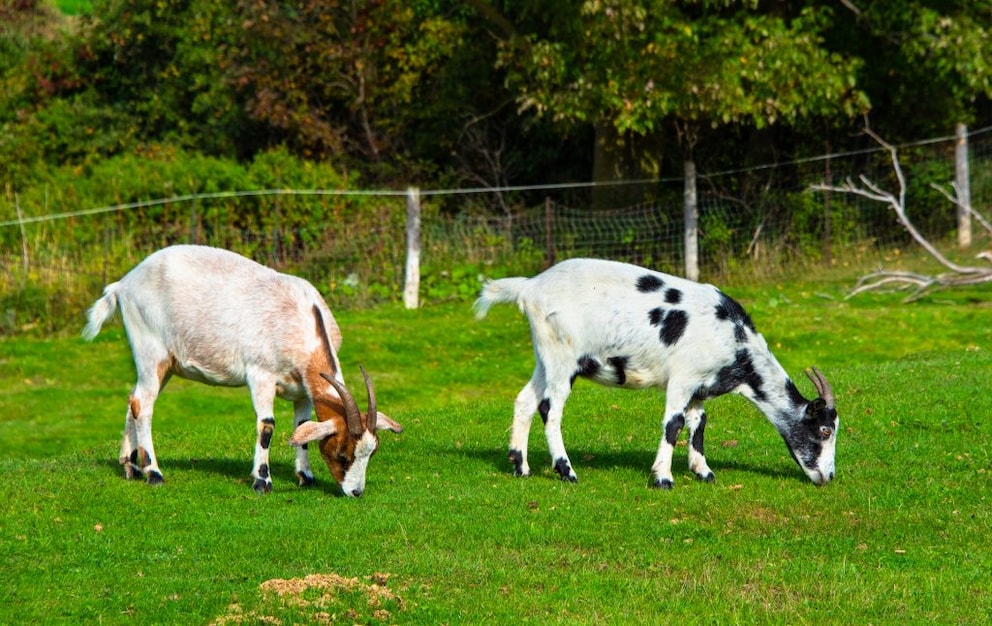
Goats are considered flight animals but can defend themselves if necessary. However, certain breeds of goats have a unique approach when startled. The “Tennessee Fainting Goat,” also known as the Myotonic Goat, falls into a so-called shock state. This is due to an inherited condition called myotonia congenita or myotonia. This causes these special goats to lose control of their muscles when frightened. It looks as if they faint, as you can see in this video:

But this is not the case. The brain is not affected by this phenomenon, and after a brief period of muscle weakness, the goats can happily continue hopping as if nothing happened.4
Hares
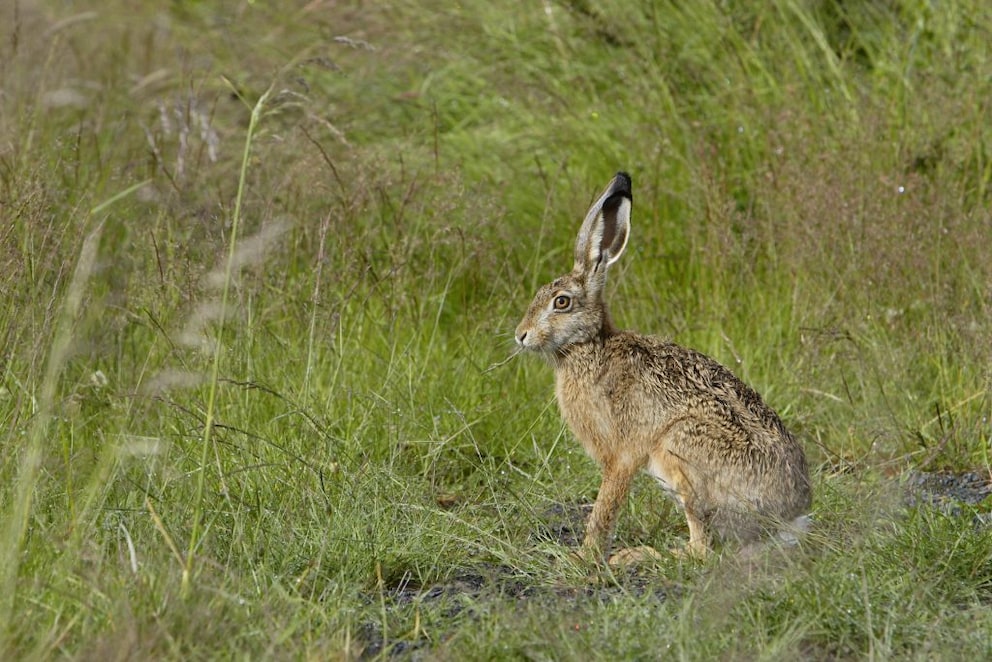
Hares are also found on every list of skittish animals–hence the saying: “Don’t be a scaredy-cat.” The fact that hares and rabbits are among the most skittish animals is due to their numerous predators. They must protect themselves from attacks from the air by birds of prey and from the ground by predators. Therefore, they have developed their own tactics to protect themselves.
During the day, they dig a hollow in a well-camouflaged environment, also called a form, and rest there. This way, they are usually well-camouflaged from birds of prey. If danger threatens on the ground, the animals perceive it through their keen sense of smell and hearing. Hares are very fast and have also developed the tactic of zigzagging to shake off their pursuers. In doing so, they change their running direction at a 90-degree angle in a flash. Less agile pursuers can be shaken off this way.5
Also interesting: Hare or Rabbit–What’s the Difference?
Horses
Horses are also considered flight animals. They possess two characteristics that make them particularly skittish. A horse’s eyes allow them to see in three dimensions, but due to their lateral position on the head, they have some blind spots in their perception. Additionally, they have very sensitive hearing that picks up much quieter sounds than humans can.6
Hedgehogs
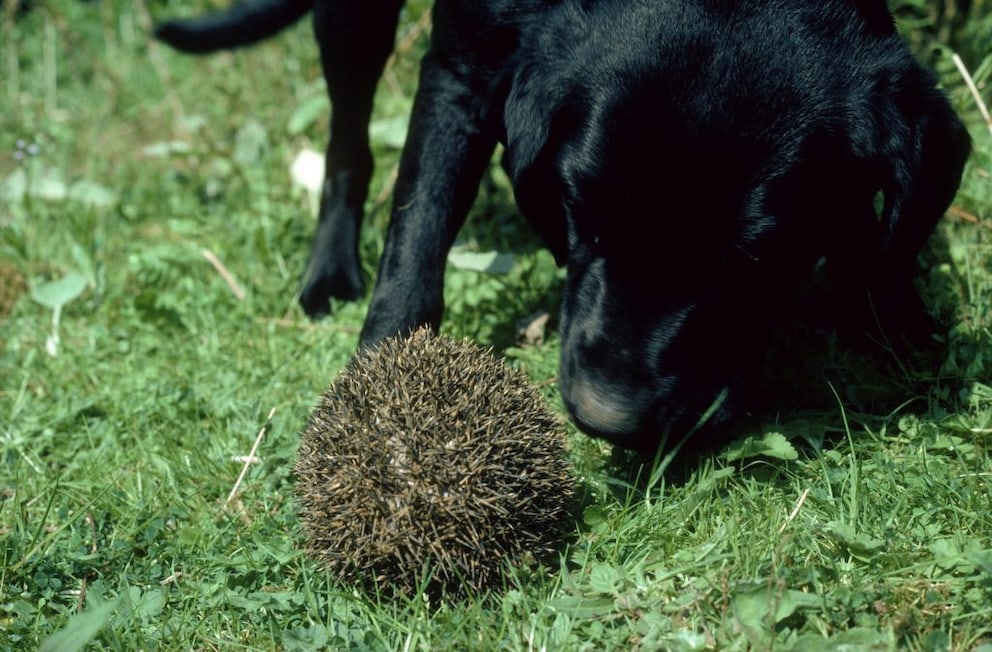
Hedgehogs, in turn, have found another method to deal with their fright. When a predator approaches, they quickly roll up into a spiky ball and wait for the danger to pass. However, the animals often get startled even when no apparent danger is present. But the reflex to roll up is very frequently triggered in these small insectivores.
Elephants
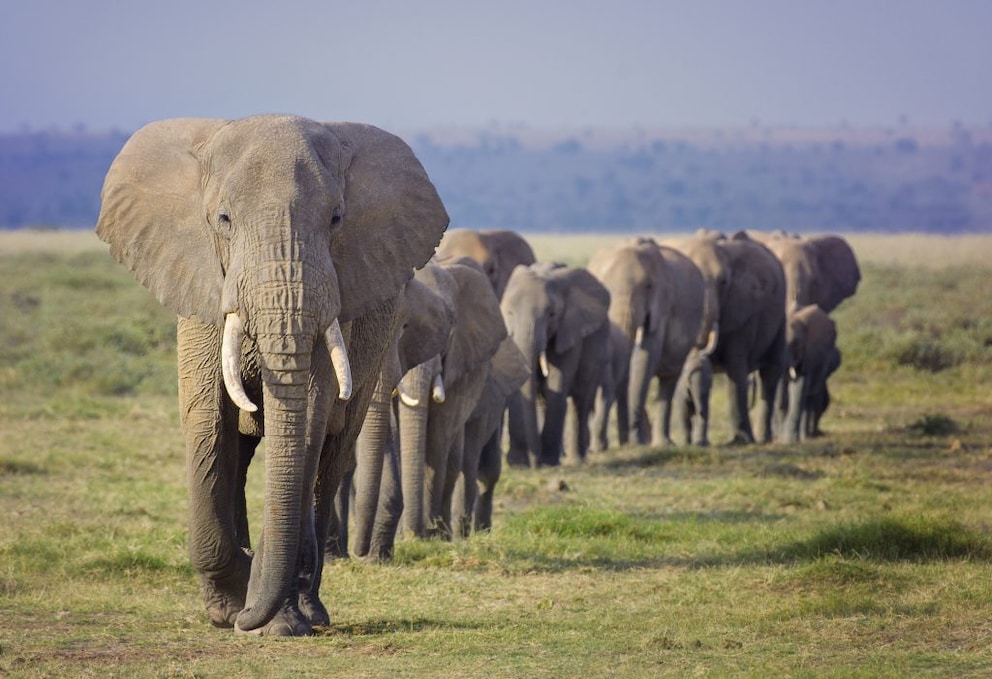
The idea that elephants are afraid of mice is also little more than a myth. However, the thick-skinned animals seem to dislike the buzzing sound of bees, as an experiment in Kenya shows. Nevertheless, the animals are very skittish and react to changes in their routine or unfamiliar things in their environment. Elephants have a keen sense of hearing and memory. So when they perceive unfamiliar sounds or objects in their environment, they react with fright and freeze until they are sure that the change poses no threat.7
Opossums
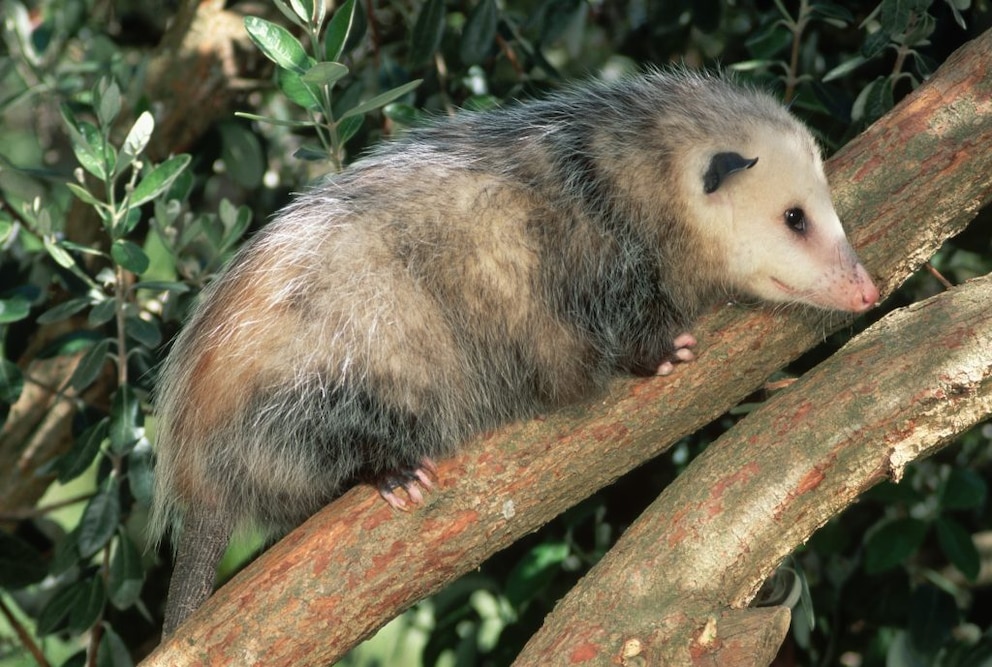
The opossum has its own strategy for dealing with fright. It simply plays dead. This is also known as tonic immobility or thanatosis. The animal can reduce its heart rate and breathing. At the same time, it opens its mouth and lets its tongue hang out while releasing a secretion from its anal glands that signals: I am not edible. This habit of opossums has led to the English expression “play possum,” which can be translated as “playing opossum.” The expression describes the feeling when you don’t want to answer the phone or open the door and prefer to “play opossum.”
Cats
Even the favorite pet of Germans (PETBOOK reported) is extremely skittish. There are always videos on social media of cats being startled by cucumbers or toasters suddenly placed behind them. That cats react this way is in their nature. As relatively small predators, they always keep an eye on their surroundings to avoid being attacked by larger animals and to eat their prey in peace. They usually react to loud noises or sudden changes with a jump and a strong fear reaction.
Donkeys
That the donkey also appears on the list of the most skittish animals may initially come as a surprise. After all, it is not a classic flight animal like the horse. However, it does startle easily, even if this is not immediately apparent–because it has developed a clever tactic to avoid losing its head in danger.
When the gray hoofed animal notices a threat, it does not initially react with flight but is completely frozen. In this state of shock, however, the brain is working at full speed to assess the situation and determine whether fleeing is really appropriate. After this brief adrenaline moment, the donkey can then choose a prudent escape route.