

September 24, 2026, 2:59 pm | Read time: 4 minutes
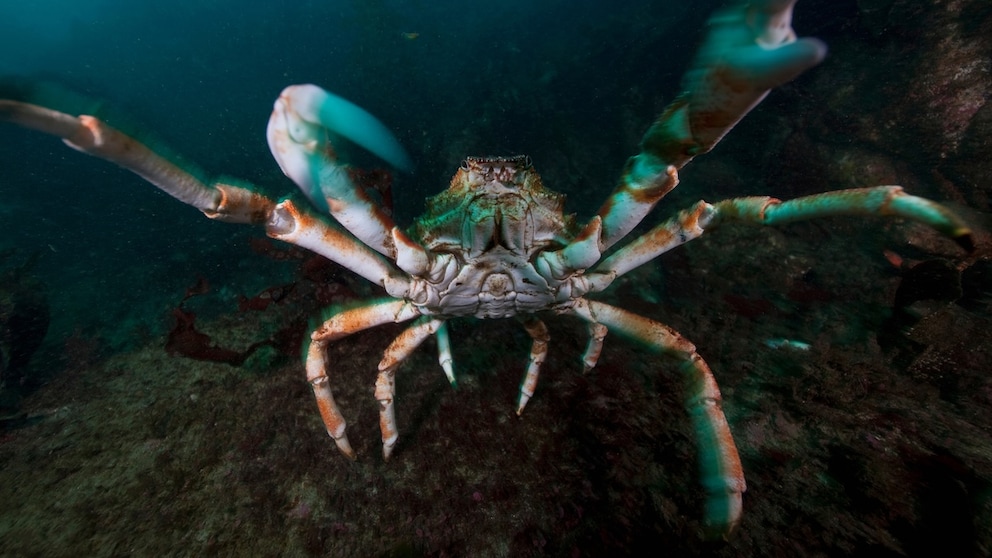
It looks like a giant spider underwater, is nicknamed “Crabzilla,” and has a span of nearly four meters. PETBOOK explains how the Japanese spider crab lives and the unusual camouflage trick it uses as a juvenile.
Why the Japanese Spider Crab Looks Like a Spider
In fact, this marine creature belongs to the so-called spider crabs. This group is characterized by particularly long legs and is sometimes referred to as sea spiders. The English name of the Japanese spider crab also refers to this distinctive feature. With its striking appearance, the species has earned the nickname “Crabzilla”—a nod to the famous Japanese movie monster Godzilla.
Scientifically, it is called Macrocheira kaempferi. Current research shows it differs so much from other spider crabs that it is even classified in its own family, the Macrocheiridae.1
How Big the World’s Largest Crab Really Gets
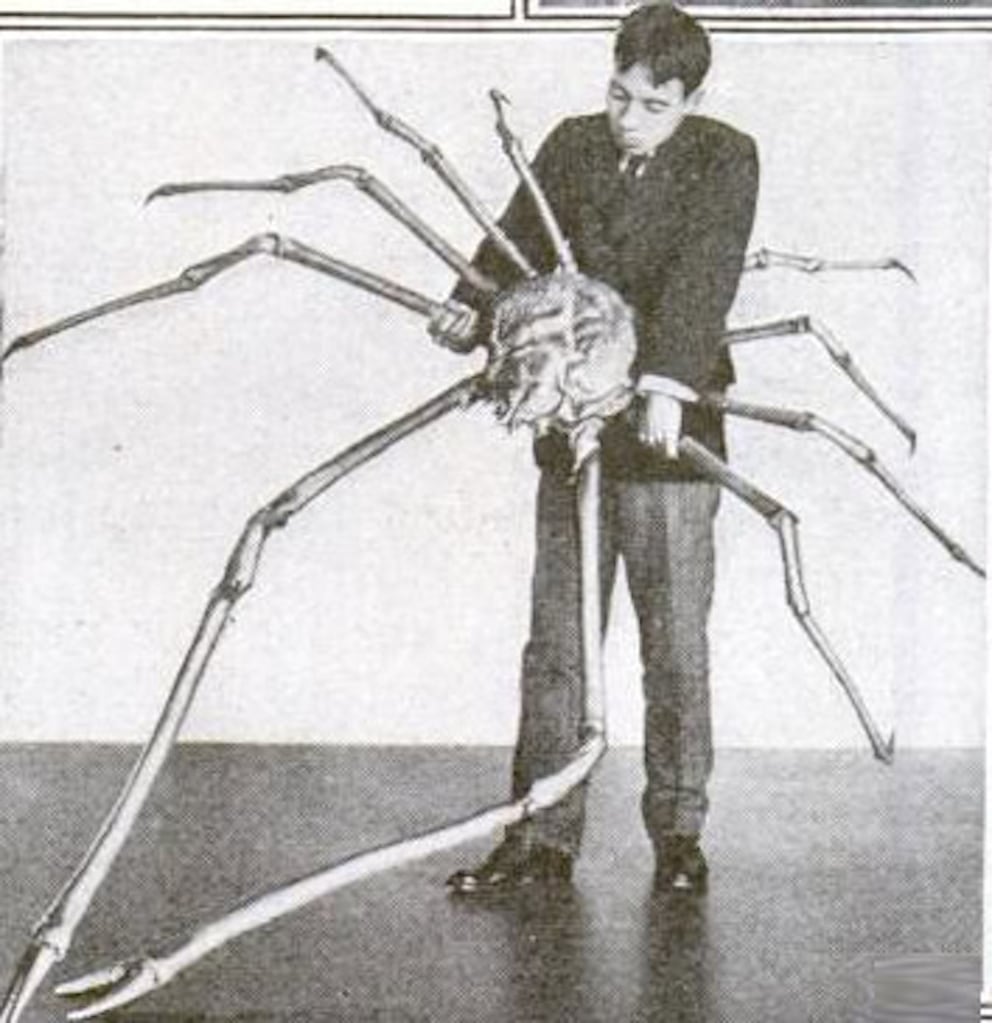
The Japanese spider crab lives up to its name. It is considered the largest living species of crab in the world. Its span can reach up to 3.7 meters from the tip of one leg to the other, making its legs longer than some people are tall.2
Also interesting: Do you know the difference between a crab and a crayfish?
Despite these impressive dimensions, the actual body appears surprisingly small. The shell reaches a width of about 40 centimeters, while the long, slender legs make up most of the span. This unusual body structure contributes to the animals’ alien appearance to many people.
The life of these giants begins surprisingly unremarkably: A female can lay more than a million eggs per mating. Tiny larvae hatch from them, but only a fraction survive to adulthood. Those that do can live for several decades. Some sources even suggest that the animals can reach an age of over 100 years.
Where the Deep-Sea Giant Lives
The Japanese spider crab lives where few people venture: in the depths of the Pacific off Japan and partly off Taiwan. It spends most of its time at depths of up to 300 to 400 meters. Down there, the water is cool, light is scarce, and the world is much quieter than near the coast.3
While adult animals are mostly found at these depths, juveniles often stay in somewhat shallower waters. During breeding season, the crabs move closer to the surface before returning to the deep sea.
The animals are well adapted to their habitat. Their orange-white speckled shell helps them blend in with rocks and other structures on the seabed.
Why the ‘Penis Fish’ Isn’t Actually a Fish
This Spider Looks Like the Famous Pokémon
What the Japanese Spider Crab Eats
Anyone who thinks a nearly four-meter-wide crab is a feared predator is mistaken. The Japanese spider crab uses its long legs primarily to search the seabed for food.
Its diet often includes dead animals and plant debris. The deep-sea resident also collects mollusks, algae, and other organic food. It rarely goes on active hunting trips.
In doing so, the species plays an important role in the ecosystem. By consuming carrion and other remains, it helps clear the seabed of organic material. The impressive deep-sea giant is thus less a hunter and more a kind of natural “clean-up crew” of the ocean.
Also interesting: These are the 8 creepiest deep-sea fish
As a Juvenile, the Spider Crab Camouflages with Sponges
Before the Japanese spider crab grows into one of the largest arthropods in the world, it must first contend with numerous dangers. Young animals therefore rely on an unusual camouflage strategy: They cover their shell with sponges, algae, or other organisms from the seabed. This helps them blend into their surroundings and makes them harder for predators to spot.
This behavior is typical of so-called decorator crabs. The animals use materials from their habitat as a kind of camouflage clothing, adapting their appearance to their environment.
As they age, however, this camouflage becomes unnecessary. The small crabs develop into massive deep-sea dwellers that have few natural enemies to fear. Researchers suspect that their impressive size ensures they are much less likely to become prey for predators.