

March 31, 2026, 2:48 pm | Read time: 4 minutes
Carrots are a staple in many animals’ diets–whether as an occasional snack for rabbits, a treat for horses, or a supplement in the bowls of guinea pigs and hamsters. But what if the carrot suddenly has black spots? Can you still feed it to them, or should you be cautious? PETBOOK editor Louisa Stoeffler provides an assessment.
How to Keep Carrots Fresh for Small Animals
I had rabbits and guinea pigs for many years. Accordingly, a carrot occasionally ended up as a treat in the small animal habitat. From this experience, I know that many animals often sort out unappetizing spots on carrots themselves and leave them behind.
Still, you shouldn’t rely on this, and with hamsters, you should generally be more cautious because they hoard and hide food. Even slightly damaged carrots can spoil quickly in their burrow and become a problem. And one more personal tip: Carrot greens are a much better and more popular treat for many animals than the carrot itself—when fed fresh, they are often especially enjoyed.
Here’s how to keep carrots fresh longer:
- Always remove the greens (they draw moisture and cause carrots to spoil faster)
- Peel them—organic quality can also go in the food bowl
- Then wrap them in a slightly damp kitchen towel and place them in the vegetable drawer
This way, they stay fresh for several days and make good treats. It’s important: Don’t feed them ice-cold directly from the fridge without acclimation. It’s better to bring the vegetables to room temperature first or gradually accustom the animals to cold treats, as they have sensitive digestion.
Where Do Black Spots on Carrots Come From?
It’s important to check where black discolorations on carrots can come from. They can have various causes—and not all are automatically a problem.
1. Pressure Marks and Storage Damage
Carrots are sensitive. If they are crushed or stored too long, dark to black spots can develop. These are usually dry and firm.
2. Oxidation
When carrots are cut, they can darken in the air. This is a natural process and harmless to health.
3. Fungal Infestation or Rot
It becomes problematic when the spots are soft, moist, or slimy. This often indicates mold or bacterial decomposition.
4. Frost Damage
Carrots stored too cold can also develop dark spots. These are often glassy and soft.
To find out if you can still eat carrots with black spots, visit our colleagues at myHOMEBOOK.
When Should You Stop Feeding Carrots?
Carrots with black spots should not be fed at all if they:
- are soft or mushy
- smell unpleasant
- appear moldy (fluffy, furry)
However, small, dry pressure marks are harmless—these can be generously cut away.
Be Cautious with Rabbits
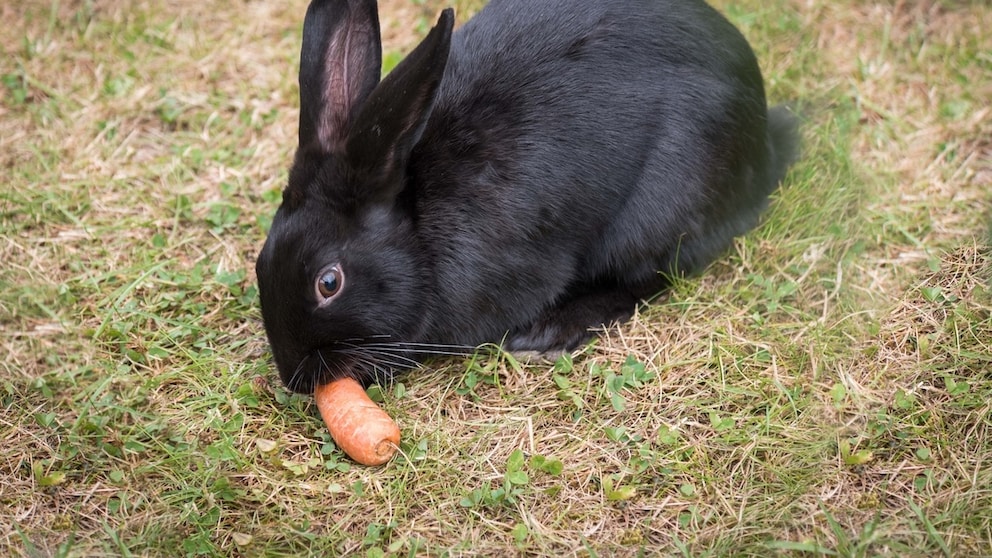
Rabbits have a sensitive digestive system and may like carrots, but they are not among the healthiest vegetables. Even small amounts of spoiled food can cause diarrhea or, in the worst case, life-threatening digestive disorders.
Conclusion for Rabbits:
- Only feed fresh, firm carrots
- Generously remove small dark spots
- Dispose of soft or moldy carrots completely
Guinea Pigs – Risk of Digestive Problems
Guinea pigs also react sensitively to spoiled food. Additionally, they rely on a stable gut flora.
Conclusion for Guinea Pigs:
- Light discolorations are unproblematic if they are firm
- When in doubt, better to throw away
- Mold or rot: absolute no-go
Hamsters – Particularly Sensitive Due to Hoarding
Hamsters hoard food in their burrow. Even slightly pressed carrots can spoil faster there and pose health risks.
Conclusion for Hamsters:
- Only give flawless carrots
- Do not feed damaged or dark spots
- Regularly check and remove leftovers
Do Guinea Pigs and Rabbits Really Get Stomachaches from Wet Grass?
What Guinea Pigs Should Never Eat
Horses – A Bit More Robust, but Not Insensitive
Horses also enjoy a carrot as a treat now and then. It’s worth noting that they usually tolerate minor irregularities better than small animals. As always, the dose makes the poison, and one carrot won’t upset the metabolism of this large animal. Nevertheless, spoiled carrots should not be included in their feed.
Conclusion for Horses:
- Small dry spots can be removed
- Do not feed soft, rotten, or moldy carrots
- Large amounts of poor quality can promote colic
Conclusion
Whether carrots with black spots can still be fed depends greatly on the cause. While dry pressure marks are usually harmless, soft, moldy, or rotten spots pose a health risk. When in doubt, always throw them away rather than risk it. Especially for sensitive animals like rabbits, guinea pigs, and food hoarders like hamsters, only flawless food should be placed in the bowl.