

September 22, 2025, 12:08 pm | Read time: 3 minutes
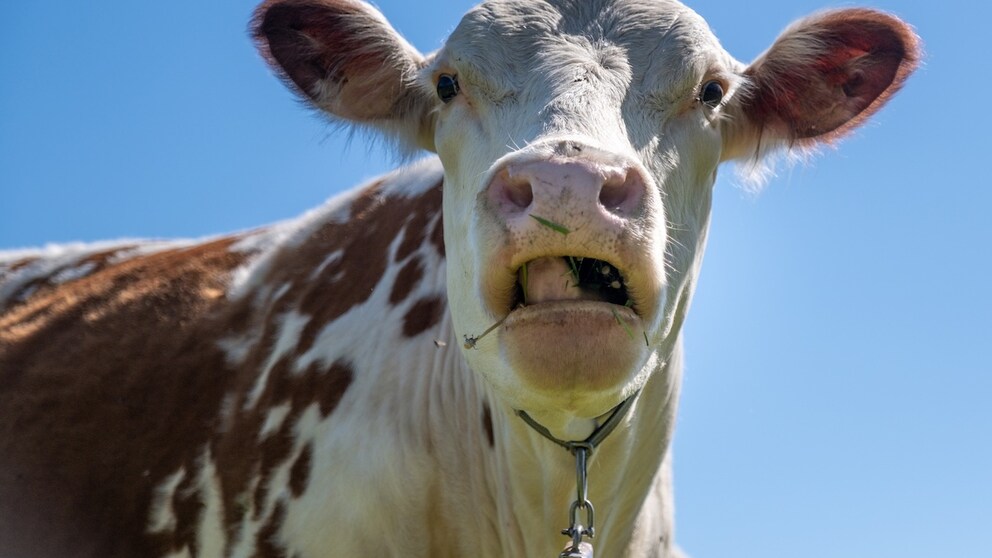
At first glance, cow digestion seems unremarkable: a bit of grass, chewing cud—done. But behind this seemingly simple process lies a highly complex system full of surprises. What happens inside a cow sounds almost record-breaking.
How Many Stomachs Does a Cow Actually Have?
An interesting question, because the digestive system of ruminants is exceptionally complex. Cows have a stomach divided into four sections: rumen, reticulum, omasum, and abomasum. This is often referred to as “four stomachs.”
The first three, rumen, reticulum, and omasum, are also called fore-stomachs. These are followed by the actual stomach: the abomasum. But the story doesn’t end there. Do you know, for example, how long a cow takes to digest or how impressively long its intestines are?
Rumen
The rumen, along with the abomasum, is the most well-known part of the digestive system. It holds an impressive 150 to 180 liters. For comparison, that’s roughly the volume of a standard bathtub. A cow can take in up to 50 to 60 kilograms of grass or hay there. Billions of bacteria and other microorganisms live in the rumen, weighing about seven kilograms together. They break down plant fibers and convert them through fermentation into fatty acids—a central energy source for the cow.1, 2, 3
Reticulum
The reticulum serves as both a filter and a distribution station. It holds back large food pieces and forms them into small food balls through muscle contractions. These return to the cow’s mouth via the esophagus—ready for chewing cud. Fine food particles are also transported to the omasum through contractions.
Omasum
The omasum extracts water and essential nutrients from the food mass. Afterward, the mass moves to the abomasum.
Abomasum
The abomasum functions similarly to the human stomach: The enzyme pepsin breaks down proteins, and stomach acid dissolves the remaining food components. Much like in humans.
Why Chewing Cud Is Vital for Survival
Cows primarily eat grass and hay—food that is hardly usable for humans. However, their digestive system makes them true specialists: They can break down cellulose and gain energy from it. This allowed them to survive even in barren regions where other animals would starve.
A cow spends many hours daily chewing cud, making around 40,000 chewing movements. This produces up to 200 liters of saliva, which is vital for survival. The saliva is alkaline and neutralizes the acids in the rumen. Without this balance, the rumen would essentially digest itself due to over-acidification.
The rumen is extremely sensitive: Even small changes in food can disrupt the balance of acids and bases and cause serious illnesses. 4

Why Many Hoofed Animals Are Ruminants–and Horses Are Not

How Much Hay a Horse Consumes Per Day
Records with Side Effects?
Not only the number of stomachs but also other figures related to the cow’s digestive system are record-breaking. If the intestines were fully spread out, they would measure about 50 meters—roughly the length of half a football field.
However, the impressive digestive performance has a downside: Processing grass and hay produces about 200 liters of methane daily—a potent greenhouse gas that further fuels climate change.
Conclusion
The complex digestive system of cows is a small wonder of nature: It energetically transforms seemingly worthless grass into vital nutrients. At the same time, it shows how closely animal health, ecosystems, and climate are interconnected. Cows are true specialists in extracting energy from plant fibers and remind us of how ingenious, yet sensitive, nature functions.