

March 12, 2026, 12:43 pm | Read time: 6 minutes
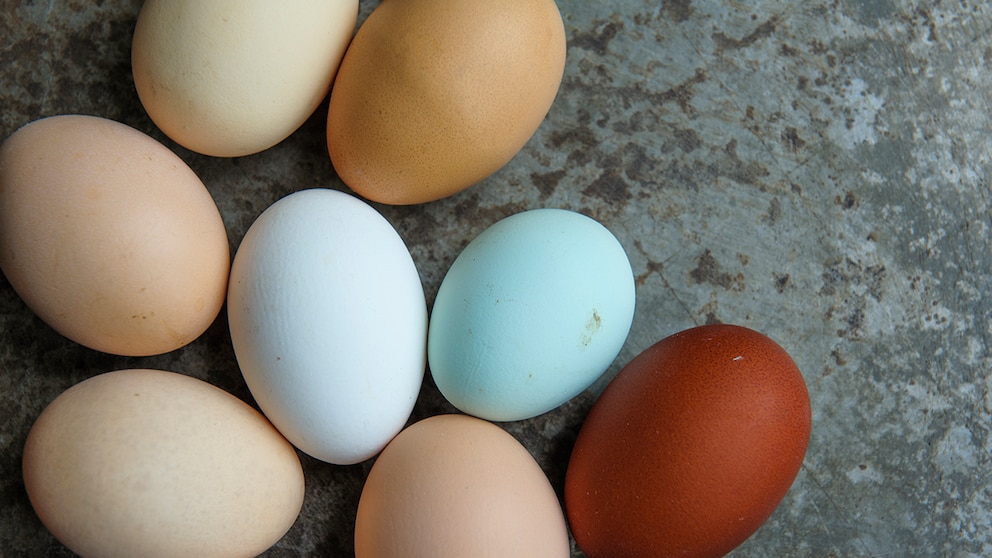
When we think of eggs, we almost automatically think of chicken eggs. In supermarkets, they usually come in white or brown–and at Easter, we dye them in bright colors. What many don’t know: Some chickens naturally lay colorful eggs. From soft pink to chocolate brown to blue, turquoise, or green, anything is possible. PETBOOK looked into how these colors come about–and which chicken breeds provide real “Easter eggs” in the nest.
Can Chickens Really Lay Colorful Eggs?
Yes, they can–and not just in white and brown. But more on that later. The key to eggshell color is genetics alone–that is, the chicken breed, not food coloring or special feed. The color of the feathers, by the way, doesn’t matter. A brown chicken doesn’t automatically lay brown eggs. However, the earlobe can give a small hint:
- Red earlobes → usually brown eggs
- White earlobes → usually white eggs
Learn more about this topic in this article: This Chicken Trait Reveals Their Egg Color Before Laying.
How Does the Color in the Eggshell Form?
The shell of a chicken egg is mainly made of calcium and is formed in the so-called shell gland in the oviduct. An egg takes about 24 to 26 hours to fully develop and be laid–most of this time is spent forming the shell.
During this process, color pigments are deposited:
- Protoporphyrin (related to hemoglobin) provides brown tones.
- Biliverdin or oocyanin produces blue tones.
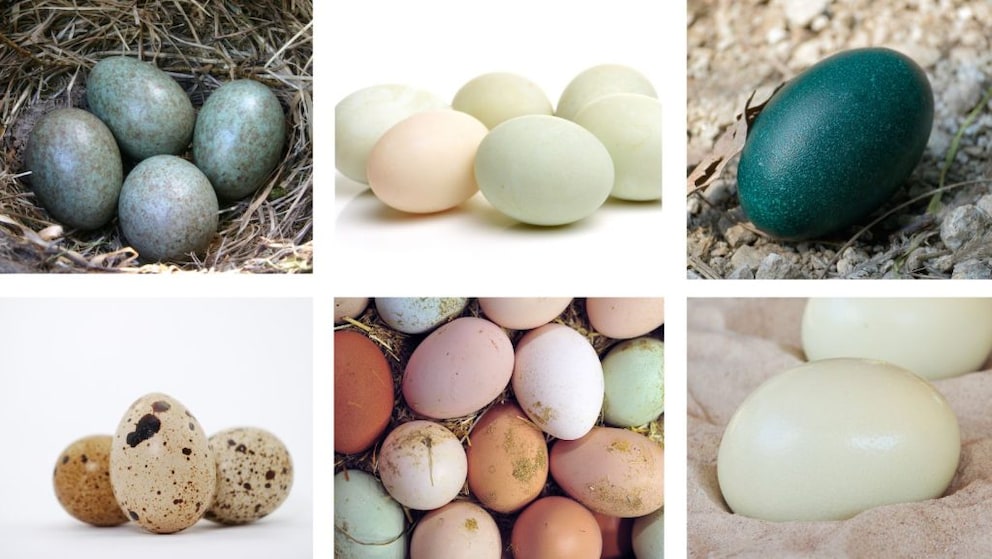
In brown eggs, the pigment is usually only on the outer layer–inside, the shell is white. But besides these standard colors, there are others: In blue eggs, the shell is blue inside and out because the pigment is fully deposited. Green eggs occur when a blue base color is additionally overlaid with a brown pigment. Important: The egg color has no impact on taste or quality. 1
Also interesting: What do birds actually do when it rains?
These Chickens Lay Colorful Eggs
Those who keep their own chickens can theoretically skip dyeing eggs for Easter–provided the right breeds are in the coop. 2
Leghorn – White and Extremely Productive
The white Leghorn hens are known for their lively nature and high egg production. At the same time, they lay pure white, shiny eggs.
- Up to 300 eggs per year
- Very flighty
Araucana – the “Green Layers”
This breed from Chile is famous for its green to turquoise eggs. Many other blue or green-laying breeds are genetically traced back to Araucana.
- Egg production: about 180–200 eggs per year
- Character: friendly and tame
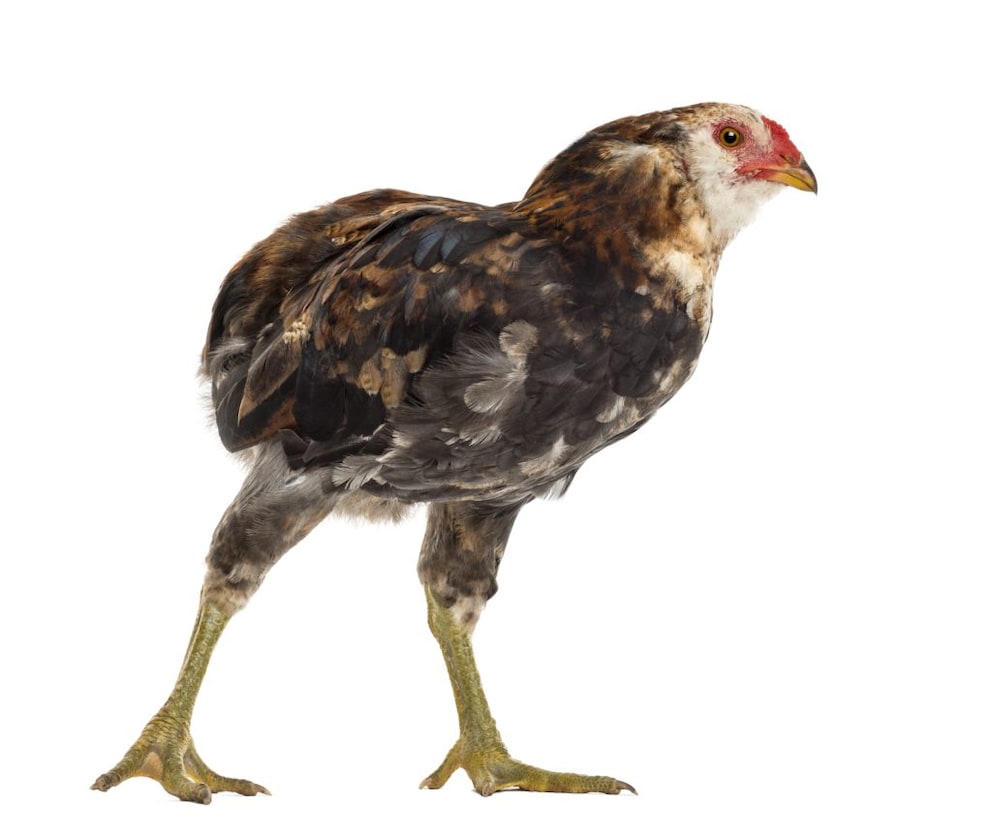
Ameraucana – the “Easter Eggers”
This American breed was bred from Araucana. They usually lay blue eggs, depending on the crossbreed, also turquoise or greenish.
- Egg production: about 180–200 eggs per year
- Still relatively rare in Germany
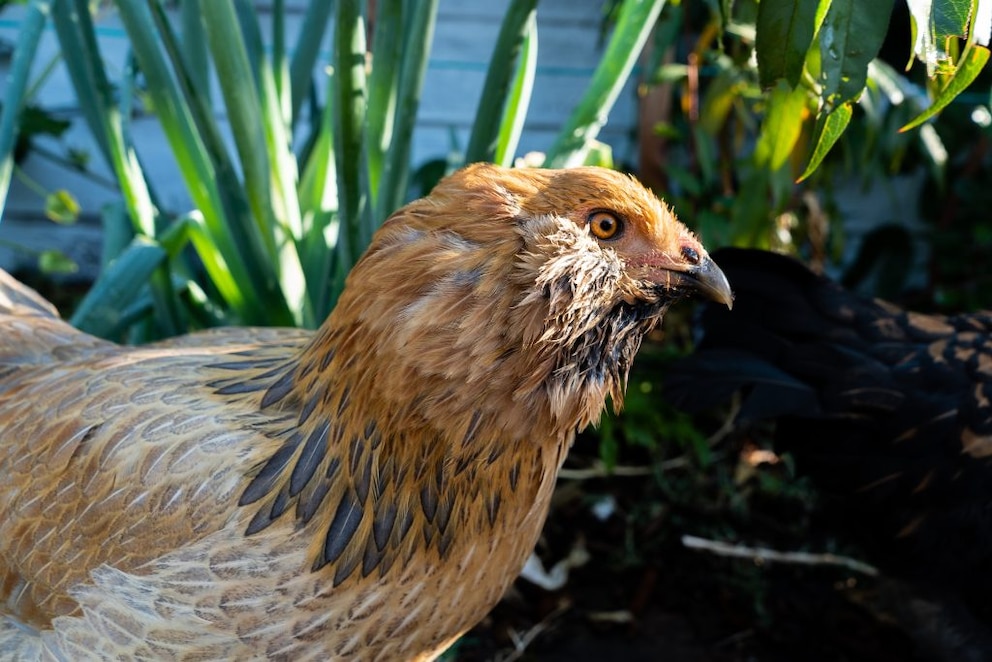
Cream Legbar – Light Blue to Olive-Colored Eggs
The Cream Legbar also originated from crossing with the Araucana. Leghorn and Plymouth Rock were also involved. The hens lay light blue to slightly olive-colored eggs.
- Active and robust
- Egg production: up to 200 eggs annually
Croad-Langshan – Classic Dark Brown
An old breed originally from China that lays dark brown eggs.
- Calm, robust nature
- Egg production: 150–175 eggs per year
Old English Game – Yellowish Eggs
The Old English Game was bred in the 19th century in Great Britain for cockfighting. The hens lay about 175 yellowish eggs per year.
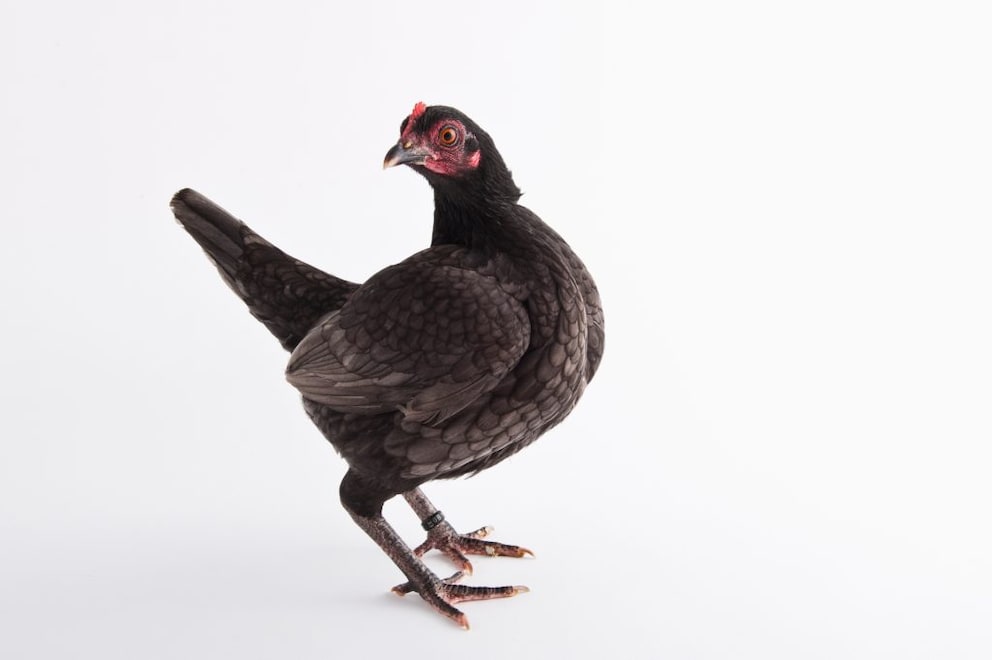
La Fleche – A Touch of Pink
La Fleche chickens originate from France and came to Germany in 1860. They lay continuously, even in winter, about 180 eggs a year, with colors ranging from white to soft pink.
- Egg production: about 180 eggs annually
- Relatively productive even in winter
Marans – Chocolate Brown to Deep Red
This French breed is known for particularly dark eggs. They use a special coloring technique when laying: The egg is actually white, but the hens have mucus glands that coat the egg with a mucus layer. Once dried, the egg turns chocolate brown to deep red and sometimes has spots.
- Egg production: about 150–180 eggs per year
- Visually polished and often speckled
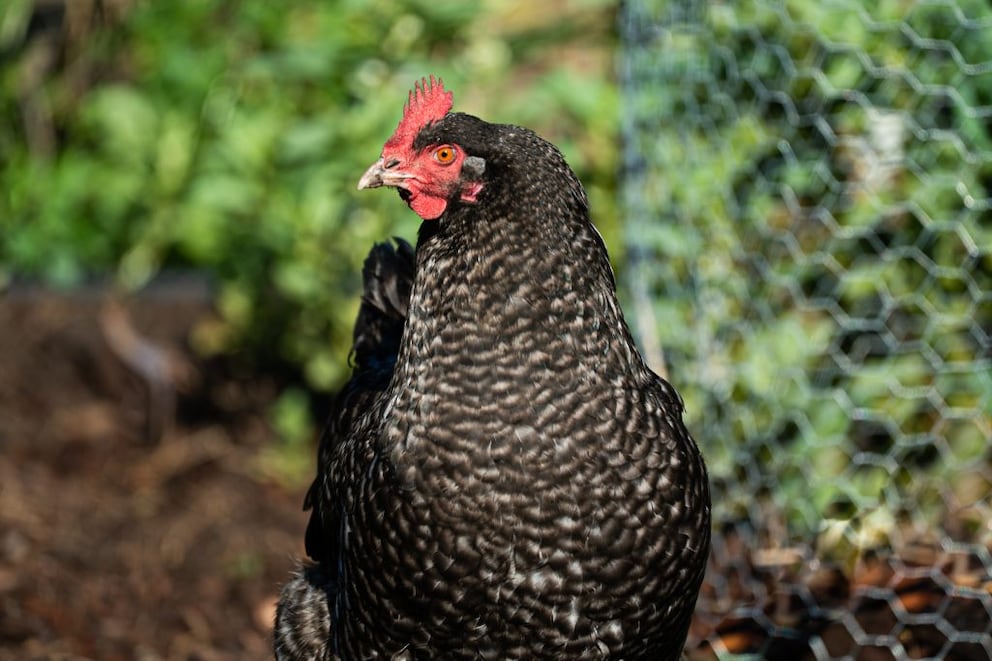
Barnevelder – Dark Chocolate Eggs
This Dutch breed lays dark brown, sometimes speckled eggs.
- Egg production: 175–200 eggs per year
- Considered beginner-friendly
Our Tip: Colorfully dyed eggs from the supermarket mostly come from factory farms and non-animal-friendly housing conditions, even though cage farming has been banned in Germany for years. In the category of “processed” products, however, this declaration requirement is waived, so eggs from these animals can still end up in supermarkets. Learn more in this article: “Why You Shouldn’t Buy Colorful Eggs for Easter.”
Dye your eggs from animal-friendly, regional farming for Easter yourself. Our colleagues at myHOMEBOOK have prepared inspirations for you: 4 Creative Ideas to Dye Eggs for Easter.

Can Dogs Eat Eggs? Here’s What a Biologist Says

Do you know all the different colors and patterns of cats?
What Is the Rarest Egg Color?
Coal gray is considered particularly rare. This color occasionally appears in hens that usually lay blue eggs. In some cases, the eggs appear violet-gray or very dark gray–but this is not predictable.
Which Chickens with Colorful Eggs Are Suitable for Beginners?
Anyone now feeling the urge to start keeping chickens should consider: Not every chicken breed that lays colorful eggs is automatically suitable for beginners. Those interested in chicken keeping should opt for robust, calm, and uncomplicated animals.
Barnevelder, Marans, and often Croad-Langshan are considered particularly beginner-friendly. They are resilient, relatively balanced in temperament, and adapt well to typical hobby keeping. Araucana can also work well–but it’s worth looking for a calm breeding line.
Cream Legbar and Ameraucana are somewhat livelier and therefore only conditionally suitable for beginners, as they can be quite active or skittish depending on the line. Less suitable for beginners are La Fleche (often shy and flighty) and Leghorn, which, although they lay an extremely high number of eggs, are very temperamental and not very tame.
With textual contributions from Manuela Bauer