

July 23, 2026, 11:14 am | Read time: 6 minutes
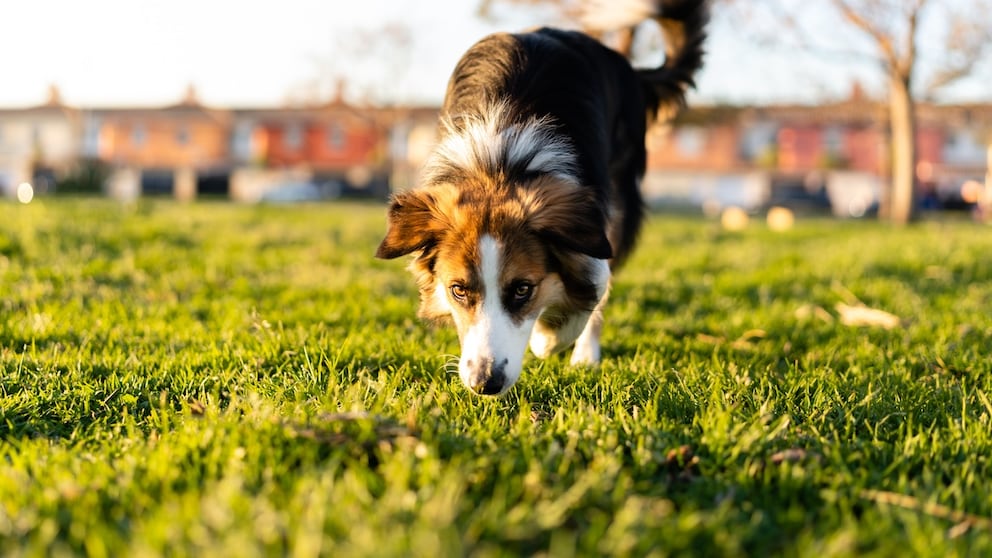
Many dog owners pull their dogs away when they want to sniff extensively during walks. However, nose work is much more than just a pastime for dogs. Studies even show: Dogs that regularly use their noses are more balanced and content. Why sniffing is so important and how you can effectively engage your dog with simple nose work is explained by PETBOOK author and dog health consultant Philine Ebert.
Dogs Are Happier Through Nose Work
According to a recent study, dogs that regularly engage in nose work are more fulfilled and happier. Researchers from France and the U.S. found that extensive sniffing not only keeps them busy but also makes them content.
After a two-week training phase with nose work, the subjects reacted faster and were much more interested and expectant than other animals. This clear sign of good emotional well-being shows how important it is for dogs to be mentally as well as physically engaged.
Why the Nose Is the Most Important Sense Organ for Dogs
The first sense a puppy develops after birth is the sense of smell. A dog can distinguish up to a million different scents with its over 200 million olfactory cells, while humans can only distinguish about ten thousand. When concentrating on sniffing, a dog can inhale up to three hundred times a minute to capture and analyze as many different scents as possible. The air stays in the nose longer than in humans, allowing scents to be perceived and processed much more intensely.
Dogs can even use their nostrils independently to differentiate the direction (left or right) from which a scent is coming. Through the Jacobson’s organ, an additional olfactory organ located in the palate, a dog can detect pheromones and thus sniff out mood, emotional state, or fear. Certain scent notes are filtered directly according to psychological aspects.
What Does a Dog Use Its Nose For?
Dogs rely on their noses for finding food, recognizing dangers and enemies, seeking partners, or communicating with other dogs. The ancestor wolf could perceive its prey from kilometers away. Due to their specific and excellent sense of smell, dogs have been trained for many years as bomb, drug, or rescue search dogs. After avalanches or earthquakes, they can find buried people up to 3 meters under the ground or snow.
When people suffer from diseases that can cause seizures, such as diabetes, epilepsy, or migraines, dogs are even able to smell and indicate health changes or impending seizures. Studies show that dogs can even sniff out various types of cancer and have ultimately been able to identify the coronavirus.
Even simple human emotions like fear, anger, or sadness can be recognized and distinguished based on the associated scents.
Why Is Nose Work So Important?
The olfactory bulb, which is part of the cerebrum, makes up about 10% of a dog’s brain (in humans, only about 1%). It processes and forwards all information perceived through the olfactory nerves. This distinguishes a dog’s perception, which is primarily oriented through the sense of smell, from the mainly visual perception of humans.
The effect is enormous. Nose work particularly demands mental engagement, as it requires the highest concentration and is the most mentally engaging.
For hyperactive, overwhelmed, or insecure dogs, active sniffing helps them calm down, as they are completely focused and distracted at that moment. This makes them calmer and more relaxed. As a positive side effect, the human-dog bond is automatically strengthened.
Opportunities and Exercises for Active Nose Work
There are many ways to engage dogs with their noses effectively. Whether at home or on the go, even simple search games can promote the natural sense of smell and mentally engage the dog. The following exercises are particularly suitable:
- Food Search: Food, treats, or rewards that have been hidden (indoors or outdoors) must be sniffed out. Special toys or sniffing mats are also suitable for this.
- Targeted Object Search: A specific item (e.g., toy, keys, etc.) should be searched for and found. First, it is sniffed, then the item is hidden, and finally, it is searched for. For advanced dogs, the object can also be hidden in a container, such as a can, box, or crate.
- Tracking and Mantrailing: The dog follows a person’s trail and searches for them based on their individual body scent. Unlike traditional tracking, where a trail on the ground is followed, the dog filters the specific scent of the person from the environment, possibly also through the person’s laid-out items (clothing, personal belongings).
It’s important not to overwhelm the dog. Just a few minutes of concentrated nose work can mentally engage the dog significantly and are often more effective than much longer physical activity.
Why You Should Let Your Dog Sniff
Cats Use Right Nostril to Identify Humans by Sweat Scent
Rules and Tips for Appropriate Nose Work
To ensure nose work neither overwhelms nor frustrates the dog, some basic rules should be followed. Even small adjustments ensure that search games and sniffing tasks become a positive experience for the dog:
- The Dog Sets the Pace: Let them sniff until they’re done. Especially during walks, they have the opportunity to gather valuable information. Pulling them away would be like someone taking the newspaper away from you while you’re reading.
- Rest Before and Recovery Phases After: That is, only a well-rested dog can absorb and process so much information. They need rest, time to unwind, and an environment without noise and stimuli.
- Less Is More: Don’t overwhelm the animal, as nose work quickly tires them in a positive way. Just 10 to 15 minutes of intensive nose work (2 to 3 times a week) is sufficient. This is especially true for puppies and older animals.
- Ensure Sufficient Water: Extensive sniffing dries out the mucous membranes faster due to increased panting. Water for on the go and fresh water at home are therefore necessary.
- Choose the Right Conditions: Nose work is best suited in a calm environment and should not take place immediately after intense play, training, or on very hot days. This helps avoid physical and mental overexertion.
With these simple basic rules, nose work becomes an appropriate activity that challenges the dog without overwhelming them. The key is not the duration but that the dog can work with joy and at their own pace.
My Conclusion
Engaging your dog through nose work is one of the most natural and appropriate forms of activity. The walk in their home territory is one of the most important opportunities for our dogs to retrieve and gather information. Whether at home, on walks, or traveling, a new environment also offers many opportunities for new impressions. Ultimately, it not only makes our dogs happy, but the shared experience also strengthens the bond.