

September 27, 2025, 6:21 am | Read time: 3 minutes
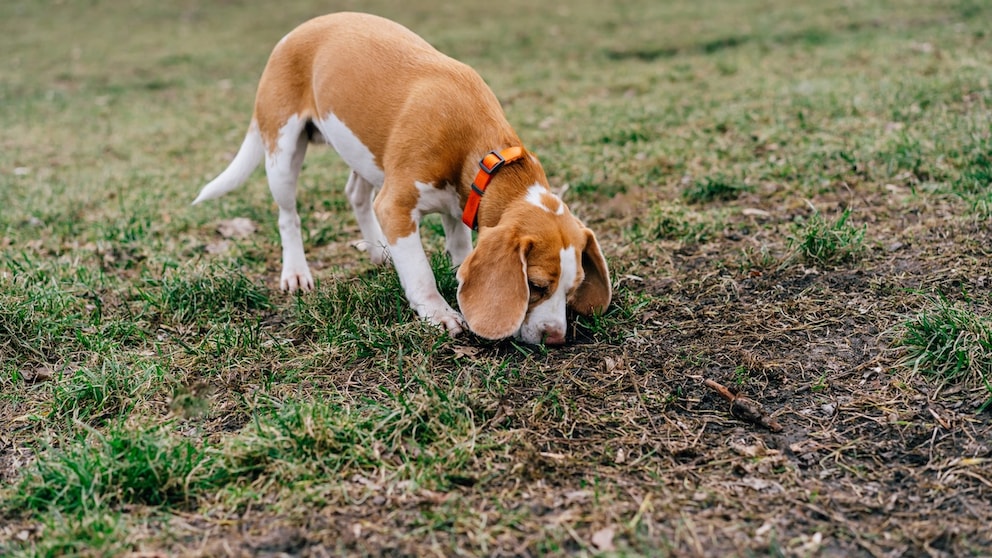
Dogs explore their environment with their noses–and in an intensity that’s almost unimaginable for humans. That’s why sniffing during daily walks should not only be allowed but actively encouraged. For our four-legged friends, sniffing is a basic need. “Owners should not only allow it during walks but also promote it,” advises Peta specialist Jana Hoger.
This applies to all dogs–regardless of age, size, or breed. Even smaller or older animals that can no longer walk long distances should not be carried in bags all the time. It’s better to regularly give them the opportunity to explore and sniff. Essentially, it’s like reading the “dog newspaper” during walks.
Choose Sniffing Routes in Nature
Forests, meadows, or quiet paths offer dogs a wealth of olfactory impressions–here, traces of wildlife can be discovered, among other things. Those who consciously choose the route for the walk create additional incentives. Quieter routes, which are also popular with other dog owners, are particularly suitable.
Additionally, small search games can be integrated into the walk. A simple option: lay a trail with treats. The nose work becomes particularly challenging when the snacks are hidden in tree bark, under leaves, behind bushes, or on park benches.
Nose Work in the City
Even in urban environments, there are numerous opportunities to offer dogs sniff-intensive experiences. Especially where there are no meadows or forests nearby, owners can get creative. Treats can also be strategically placed in wall crevices, under park benches, or between cobblestones during walks.
Walking on different surfaces–such as gravel, concrete, or wood–also stimulates the dog’s senses. Regularly choosing new paths provides constantly changing scent impressions. Even short rounds can be turned into exciting sniffing training that mentally engages the dog.
However, not every walk should be used for nose work. If you take the dog on new routes for bathroom breaks instead of the usual standard walk, too many new sniffing impressions can lead to stress.

Why You Should Let Your Dog Sniff During Walks

Heatwave: Expert reveals how to keep your dog appropriately busy even in 30-degree heat
Nose Training Indoors
The sense of smell can also be specifically promoted indoors. Specialty stores offer “sniffing mats” where small treats can be hidden. Alternatively, a similar game can be crafted with simple means–for example, a “search box” made of cardboard where favorite snacks or toys are hidden. PETBOOK has a video tutorial ready for you here: How to Easily Make a Sniffing Mat Yourself.
Provide Sufficient Water
Sniffing is not only exciting but also exhausting–especially when done intensively and over a long period. Therefore, owners should ensure their pets always have fresh water available. Intense sniffing is tiring for dogs. Owners should always provide their pets with fresh water, as their nasal membranes dry out quickly during search games.
After an intense sniffing session, the dog is likely to be completely exhausted. Therefore, the animals should not be further challenged but allowed to lie down and take a well-deserved nap.
With material from dpa