

July 30, 2026, 11:14 am | Read time: 5 minutes
There are dogs that love car rides and others that develop fear or severe stress. Some dogs don’t even want to get in, or they might even vomit during the ride. PETBOOK explains the possible causes and how dogs can gradually build trust in car travel again.
Overview
The Dog Hates Car Rides? Possible Causes
1. Dog Never Learned About Car Rides
For dogs, car rides are anything but natural. To prevent every trip from becoming stressful, dogs should ideally have positive experiences in the car as puppies—preferably in the first three months of life.
Many adult dogs from shelters have never experienced car rides because they spent much of their lives on the street. As a result, these animals often feel enormous stress during their first car ride or become traumatized during transports to Germany.1
2. Dog Gets Sick During the Ride
Many dogs feel nauseous from the passing scenery during car rides. When training your dog to ride, ensure they haven’t eaten beforehand. Some dogs benefit from sitting in a crate or carrier, preventing them from looking out the window. Typical signs of nausea in dogs include: 2
- excessive drooling
- panting
- restlessness
- vomiting
Warning! If your dog pants, drools, or vomits in the car, it doesn’t automatically mean motion sickness. Stress or pain can also be the cause. Therefore, dog owners should always have these symptoms checked. If the dog is healthy, hasn’t had bad experiences with the car, and was accustomed to it early, motion sickness is likely.
3. Traumatic Experiences
Many shelter dogs, in particular, develop a fear of car rides. The reason: They often associate the car with the long journey from their country of origin, where they traveled for hours with many other dogs in a transporter. However, even dogs that used to enjoy car rides can suddenly develop panic after an accident or painful experience.
4. Pain
If a dog is in pain, such as from arthritis, the ride can become torture. It’s important to discuss possible causes and solutions with a veterinarian. Sometimes dogs don’t want to “jump” into the car because they have joint issues and it hurts to get in. In such cases, a ramp with a non-slip surface can help. This can also be a great relief for older dogs.
Where Is the Right Place for the Dog in the Car?
Small dogs can be placed in a carrier in the footwell or on the back seat. Large dogs are best accommodated in the cargo area of an SUV, van, or station wagon.
Partition Grids
If the dog is in the cargo area, a sturdy partition grid is recommended for these vehicle types to separate the dog from the passenger area. This can prevent the animal from being thrown forward in a strong impact.
Transport Crates
Depending on the size of the dog, the crate can be placed in the footwell or trunk. A tip: set up the crate at home with the door open so the dog can get used to it. You can hide treats or toys inside. A dog blanket with a familiar scent can also be calming. Gradually, the dog will see the crate as a relaxing retreat.
Safety Belt
A dog safety belt can secure the dog on the passenger or back seat. Important: Never attach the belt to the collar, always use a well-fitting harness to avoid injuries. After buckling up, the dog should sit or lie quietly in its place.
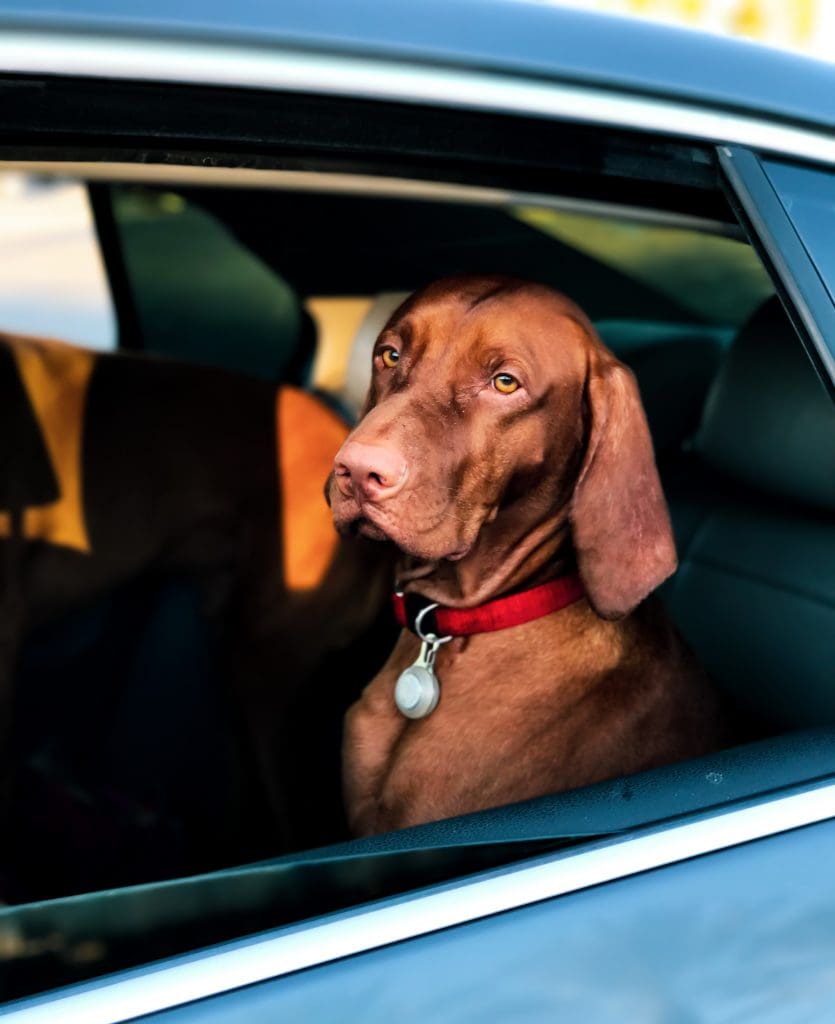
Some dogs don’t like the fast movement during car rides and only get used to it slowly
Also interesting: Transporting a Dog Safely in the Car – What You Should Pay Attention To

Vacationing with Your Dog–Gear, Vaccinations, Travel Kit

Flying With Your Dog or Cat: What You Need to Know
Getting the Dog Used to Car Rides
The best way to get a dog used to the car is step by step. First, let them get to know the vehicle while it’s parked: walk around it together, let them sniff everything calmly, and reward calm behavior. Then open the passenger door or tailgate and invite them to get in. If that goes smoothly, you can briefly close the door or tailgate.
The next step is to start the engine. If the dog reacts by panting, whining, or barking, turn it off and calm the dog. If they remain calm, you can take a short drive. Drive as smoothly as possible and avoid hard braking, sudden steering movements, or sharp turns. It’s also helpful to associate every car ride with something positive—like a walk or playtime at the dog park. This way, the dog learns to associate car rides with pleasant experiences.3
Warning: Especially in the summer months, the car can quickly become a deadly trap! The interior heats up and can reach 104 degrees Fahrenheit within 30 minutes at an outside temperature of 75 degrees. Even if the window is slightly open, the dog can suffer a circulatory collapse with cardiac arrest. Never leave your dog alone in the car, even in the shade!
And If Nothing Helps?
Training usually works best when the dog regularly rides in the car as part of daily life. But what about pets that are only transported to the vet or on vacation? Not all dog owners have the time to take extra drives to keep the dog in training—it also costs money.
In such cases, you might consider using medication or travel tablets for longer trips. However, this should only be a solution if the dog rarely needs to travel by car and should be discussed with a veterinarian.